

When your home shows signs of foundation problems, understanding the root cause becomes critical to protecting your investment. Uneven load foundation damage represents one of the most serious issues homeowners face, potentially leading to significant structural damage and costly repairs if left unaddressed. At PowerLift Foundation Repair, we’ve witnessed firsthand how uneven load foundation damage can compromise a home’s structural integrity, creating safety concerns and diminishing property value across Oklahoma, Arkansas, North Carolina, and Tennessee.
What Is Uneven Load Foundation Damage?
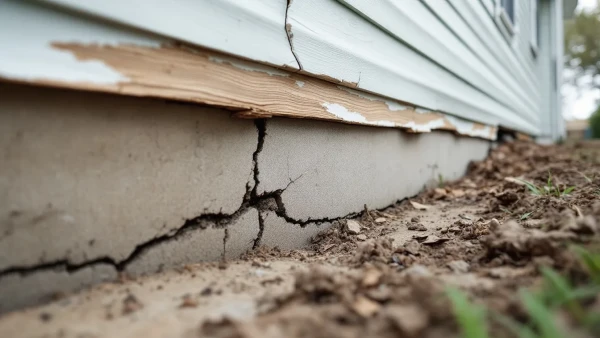
Uneven load foundation damage occurs when the weight distribution across your foundation becomes imbalanced, causing certain areas to bear more stress than others. This irregular pressure creates foundation settlement in specific zones while other areas remain stable, resulting in differential settlement that threatens your building’s foundation stability.
The concept matters significantly for both residential and commercial buildings because foundations are designed to distribute weight evenly across the soil beneath. When this balance fails, foundation shifts begin, triggering a cascade of structural issues throughout the entire building. Understanding foundation damage causes helps property owners recognize warning signs early and prevent costly repairs down the road.
Foundation failure doesn’t happen overnight. Instead, uneven settling develops gradually as soil conditions change, structural supports weaken, or construction deficiencies reveal themselves over time. The home’s foundation serves as the literal base for everything above it, making any compromise to its stability a major structural concern.
Common Causes of Uneven Load Foundation Damage
Soil Movement and Moisture Variations
The soil beneath your home constantly reacts to environmental conditions, expanding and contracting based on soil moisture levels. Clay soils particularly demonstrate this behavior, swelling when saturated and shrinking during dry periods. This moisture impact on foundation creates uneven pressure points that compromise foundation walls and slab foundations alike.
Expansive soils generate tremendous force during expansion, lifting portions of your foundation while adjacent areas remain stationary. Conversely, when these soils dry out, they contract and create voids beneath the foundation, allowing sections to settle unevenly. Soil expansion and contraction cycles repeatedly stress your home’s structural integrity, gradually creating foundation cracks and foundation movement.
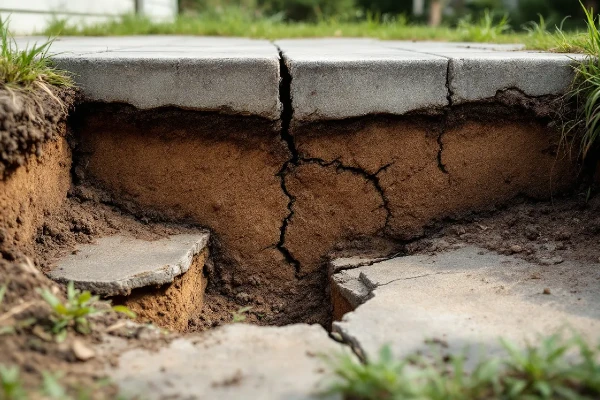
Excess moisture from poor drainage concentrates in specific areas around your property, creating localized soil instability. Drainage issues direct water toward your foundation rather than away from it, saturating the soil unevenly and accelerating foundation settling. Plumbing leaks beneath slabs contribute additional moisture to the soil, creating focused zones of soil movement that undermine foundation stability.
Poor Construction and Soil Compaction
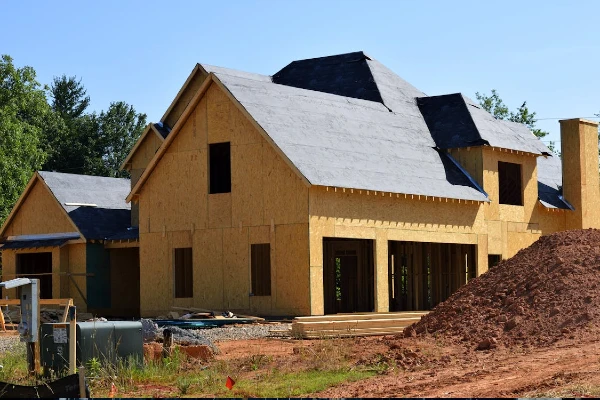
Poor soil compaction during initial construction leaves void spaces in the soil that eventually compress under your home’s weight. When soil isn’t properly compacted before pouring the foundation, these voids collapse at different rates, causing uneven settlement across the foundation’s footprint. This construction deficiency represents a significant cause of foundation issues that may not manifest for years after initial building.
Inadequate site preparation, including insufficient excavation depth or improper grading, creates conditions where soil conditions vary dramatically across your property. Areas with naturally weak soil or inconsistent composition settle differently under structural loads, particularly affecting deep foundations and beam foundations that rely on uniform soil support.
Soil erosion beneath existing foundations removes material that once provided crucial support. As water infiltrates and washes away fine soil particles, gaps form that allow foundation sections to sink, creating the differential settlement that characterizes uneven load foundation damage.
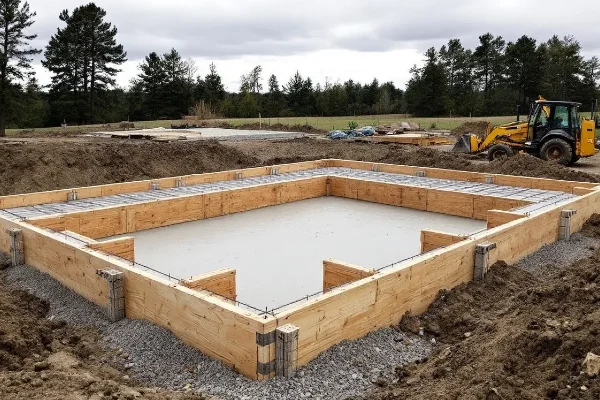
Heavy Loads and Structural Stress
Concentrated weight from additions, heavy appliances, or improperly designed structural supports creates localized pressure points that exceed the foundation’s load-bearing capacity. When renovations add second stories or room extensions without adequately reinforcing the foundation, uneven floors and foundation shifts inevitably follow.
Unbalanced structural weight distribution occurs when architects or builders fail to account for total load requirements during design. Concrete block walls and basement walls bearing excessive loads without proper support transfer stress unevenly to the foundation, creating focused settlement zones that compromise the entire building’s stability.
Warning Signs of Uneven Load Foundation Damage
Visible Cracks in Walls and Floors
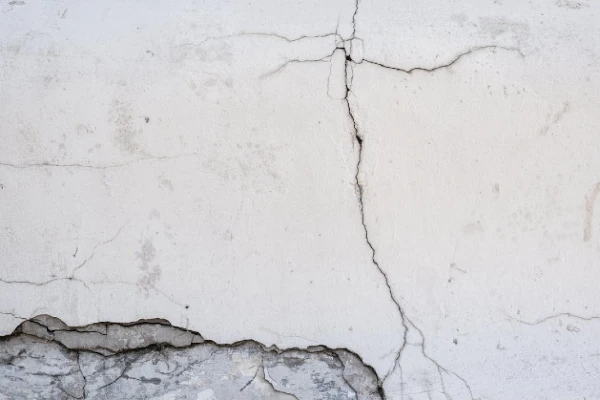
Foundation cracks manifest in predictable patterns that reveal underlying foundation damage. Vertical cracks typically indicate minor settling, while diagonal or stair step cracks in concrete block walls signal more serious issues related to differential settlement. Cracked walls inside your home, particularly cracks wider than 1/4 inch, warrant immediate professional evaluation.
Interior walls developing cracks near door and window frames indicate foundation movement affecting the building’s structural framework. Floor cracks running across concrete slabs or appearing at joints between flooring materials reveal uneven settlement beneath. A cracked chimney separating from your home’s exterior represents a severe warning sign of significant structural damage requiring urgent attention.
Uneven or Sloping Floors
Uneven floors or sloping floors represent direct evidence of foundation settling beneath your home. When walking across rooms reveals noticeable dips, ridges, or slopes, the foundation has already experienced substantial movement. Homeowners often first notice these irregularities when furniture no longer sits level or marbles roll consistently toward certain areas.
These floor surface irregularities reveal underlying foundation issues that have progressed beyond initial stages. In homes with crawl space foundations, sagging floors may indicate both foundation problems and compromised structural supports beneath the floor system.
Doors and Windows That Stick or Do Not Close Properly
Sticking doors that suddenly require forcing to open or close signal foundation shifts altering door and window frames. As foundations settle unevenly, they twist building frames, causing doors and windows to bind in their openings. Window frames showing gaps or refusing to lock properly demonstrate how foundation movement propagates throughout your home’s structure.
These symptoms often appear gradually, with homeowners initially attributing them to seasonal humidity changes. However, persistent issues across multiple doors and windows typically indicate foundation settling rather than normal seasonal variations.
Plumbing and Electrical Issues Linked to Foundation Movement

Foundation movement stresses pipes and electrical conduits running through slabs and basement walls. Drainage systems may develop slopes that prevent proper water flow, while sewer lines crack or separate at joints. Plumbing leaks appearing without an obvious cause often trace back to foundation shifts, stressing rigid pipe connections.
Electrical problem,s including circuit breakers tripping or outlets pulling away from walls, can result from foundation issues straining wiring systems. These secondary symptoms demonstrate how uneven load foundation damage affects every system within your home.
Diagnosing Uneven Load Foundation Damage
Professional foundation inspection involves a comprehensive assessment of visible signs combined with technical analysis of underlying conditions. Foundation experts examine noticeable cracks, measure floor slopes, assess door and window alignment, and evaluate the foundation’s condition through visual inspection and diagnostic tools.
Soil analysis determines the composition, moisture content, and load-bearing capacity of the soil beneath your home. Engineers assess whether clay soils, expansive soils, or poor soil compaction contribute to foundation failure. Structural surveys map settlement patterns, identifying areas experiencing the most severe foundation settling.
Advanced diagnostic techniques, including laser levels, soil borings, and structural load calculations, provide detailed information about your foundation problems. This thorough evaluation determines appropriate repair methods and helps prevent further damage by addressing root causes.
Repairing Uneven Load Foundation Damage
Foundation Underpinning and Leveling Techniques
Foundation repair for uneven load damage typically involves foundation underpinning using piering systems to stabilize and level settled areas. Push piers driven deep into stable soil strata transfer structural loads past unstable surface soils, halting foundation settlement and often allowing foundation leveling to restore original elevations.
Helical piers provide similar support through spiral-shaped steel shafts screwed into load-bearing soil layers. These structural supports lift settled foundation sections while stabilizing against future movement. Slabjacking, or high-density polyurethane foam injection, raises sunken concrete slabs by pumping expanding foam beneath the surface, filling voids and lifting the foundation to proper elevation.
Foundation leveling restores your home’s structural integrity by eliminating the differential settlement causing structural instability. Professional repair method selection depends on foundation type, soil conditions, settlement severity, and access considerations around your property.
Drainage and Soil Stabilization Solutions
Preventing future uneven settling requires addressing poor drainage that contributes to soil moisture variations. Installing proper drainage systems, including French drains, gutters, and grading improvements, directs water away from foundation walls, reducing soil expansion and contraction cycles that cause foundation issues.
Soil stabilization techniques, including chemical injection or moisture barriers, modify soil conditions to prevent excessive movement. These solutions particularly benefit properties with expansive soils or clay soils prone to dramatic volume changes with moisture fluctuations.
When to Consult Structural Engineers and Foundation Experts
Structural engineers should evaluate properties showing serious issues including major structural concerns like large foundation cracks, severe sloping floors, or visible foundation movement. Their expertise determines whether damage threatens structural integrity and what repair methods will effectively restore stability.
Foundation experts specializing in uneven load foundation damage provide free estimate services assessing damage severity and recommending appropriate solutions. Early intervention prevents costly repairs by addressing problems before they escalate into foundation failure requiring extensive reconstruction.
Preventative Measures to Avoid Uneven Load Foundation Damage
Proper soil preparation during construction, including thorough compaction and appropriate foundation design for local soil conditions, prevents many foundation problems before they start. Balanced load design ensures the weight is distributed evenly across foundation walls and supports, avoiding concentrated stress points that cause uneven settlement.
Routine inspections identifying early warning signs allow homeowners to address minor foundation settling before it progresses to significant structural damage. Maintaining consistent soil moisture through proper landscaping and irrigation prevents the dramatic expansion and contraction cycles that stress foundations.
Addressing drainage issues promptly, repairing plumbing leaks immediately, and monitoring for visible cracks enable property owners to protect their home’s foundation proactively. Regular maintenance of gutters, downspouts, and site grading preserves the drainage systems, protecting your foundation investment.
Protect Your Home with Professional Foundation Solutions
Uneven load foundation damage threatens your home’s structural integrity and requires prompt attention from experienced professionals. At PowerLift Foundation Repair, we understand that foundation problems create anxiety and uncertainty for homeowners throughout Oklahoma, Arkansas, North Carolina, and Tennessee. Our expertise in diagnosing and repairing foundation settling, foundation cracks, and differential settlement ensures your property receives the most effective solution tailored to your specific situation.
Don’t wait for minor foundation issues to escalate into major structural concerns requiring extensive, costly repairs. Early intervention through professional foundation inspection and repair prevents further damage while protecting your investment. Our team utilizes proven repair methods, including foundation underpinning, high-density polyurethane foam injection, and comprehensive drainage solutions to restore your home’s foundation stability.
Get a FREE ESTIMATE Today! Contact us at 800-562-5438 for more information. Our foundation experts will assess your property’s foundation condition, explain your repair options, and provide the transparent pricing you need to make informed decisions about protecting your home’s structural integrity. At PowerLift Foundation Repair, we’re committed to repairing your home correctly the first time, ensuring lasting stability and peace of mind for years to come.