Foundation Issues

Pests Damaging Foundation: Identification and Prevention Guide

our home’s foundation serves as the bedrock of structural integrity, supporting everything above it. When pests damaging foundation materials go undetected, the consequences can escalate from minor nuisances to catastrophic structural failures requiring costly repairs. At PowerLift Foundation Repair, we’ve witnessed first-hand how wood-destroying pests and burrowing animals can compromise even the most robust foundation walls, threatening your home’s structural integrity and your family’s safety.

Most homeowners underestimate the persistent pest problem lurking beneath their properties. From subterranean termites silently consuming wooden components to carpenter ants tunnelling through wooden beams, these destructive invaders exploit foundation cracks and hidden entry points to establish colonies that can persist for years.
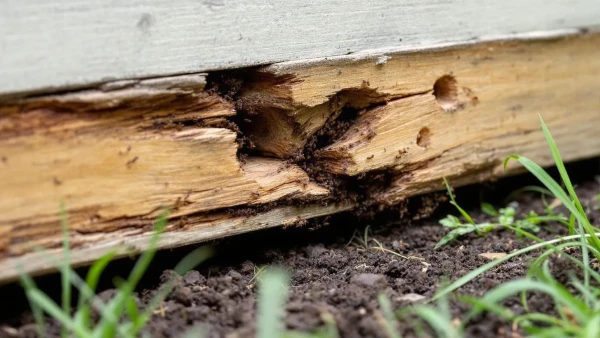
Pests Damaging Foundation Identification and Prevention Guide

Understanding how common pests infiltrate and damage foundation materials is your first line of defense against a full-blown infestation that could cost thousands in repairs.

Common Pests That Damage Foundations

Several species of wood-destroying insects and burrowing animals specifically target foundation materials and the wooden structures they support. Recognizing these threats helps you implement effective pest control strategies before significant damage occurs.

Burrowing Insects and Their Effect on Foundations

Subterranean termites represent the most destructive force among pests searching for cellulose-rich materials around your foundation. These wood-destroying pests build mud tubes along concrete foundations and foundation walls, creating highways from moist soil to the wooden components of your home. Unlike termites that work above ground, subterranean species can consume wooden beams and other wood-destroying pests targets while remaining completely hidden from view.

The financial impact is staggering—termite damage causes billions in structural damage annually across the United States. These insects eat wood at an alarming rate, with mature colonies consuming several pounds of material daily.

termites

They target not just wooden structures but also paper, cardboard, and other cellulose materials stored in your crawl space or basement. Early detection through regular inspection protocols can prevent termites from weakening foundation materials to the point where major structural interventions become necessary.

Carpenter Ants and Their Tunneling Behavior

Carpenter ants pose a unique threat because they don’t actually eat wood like termites—instead, they excavate galleries and tunnels through wooden structures to create nesting spaces. These industrious insects prefer rotting wood or moisture-damaged materials but will tunnel through sound timber when establishing satellite colonies. The galleries they create weaken structural support systems, and their presence often indicates underlying moisture problems that also threaten your concrete foundation.

Detection requires vigilance. Carpenter ants leave behind wood debris resembling sawdust near entry points, and you may hear faint rustling sounds within walls during quiet evening hours. Their activity peaks during spring and summer when they forage for food sources, including pet food left accessible in garages or crawl spaces.

carpenter ant

Rodents and Their Burrowing Impact

Burrowing animals such as rats, mice, and voles create extensive tunnel networks in the displaced soil around your foundation. These excavations destabilize the ground supporting foundation walls, creating voids that allow settling and shifting soil conditions. Rodents gnaw through weather stripping, exploit foundation gaps, and can even damage concrete slabs over time through persistent tunneling.

The health risks extend beyond structural concerns—rodents contaminate storage space areas, spread disease, and attract predators that may cause additional property damage. Their constant search for food sources, water, and shelter makes any vulnerabilities around your foundation an open invitation for pest intrusion.
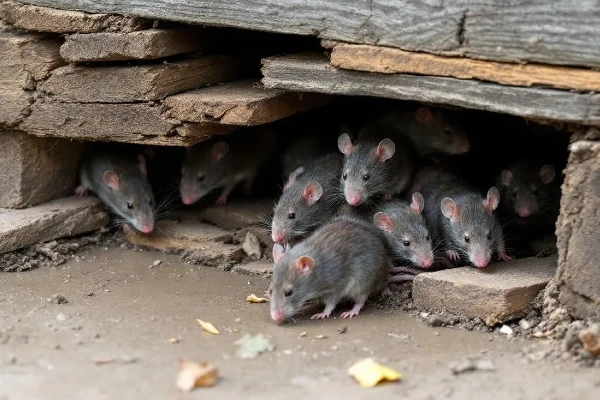
rodents actively damaging a home's foundation

Other Wood-Destroying Insects

Carpenter bees, powder post beetles, and other wood-destroying insects also threaten wooden components near foundations. Carpenter bees bore perfectly circular holes into wooden beams, fence posts, and siding, while powder post beetles reduce structural timber to fine powder. Though less common than termites, these pests contribute to the cumulative weakening of your home’s structural support system.

How Pests Exploit Foundation Vulnerabilities

carpenter bees

Common pests don’t appear randomly—they’re drawn to specific conditions that make your property hospitable. Understanding these attraction factors helps you eliminate vulnerabilities before pest entry occurs.

Foundation Cracks and Gaps

Even small cracks in concrete foundations provide potential entry points for insects and rodents. Foundation cracks wider than 1/8 inch allow pavement ants, spiders, and other pests to establish interior colonies. Larger gaps accommodate mice and rats, which can squeeze through openings as small as a quarter inch. Sealing cracks promptly prevents pest access and preserves the integrity of foundation materials.

Moisture and Drainage Problems

Damp conditions attract wood-destroying pests like termites and carpenter ants, which require moisture-rich environments for survival. Poor drainage creates moist soil against foundation walls, essentially advertising your property to pests searching for ideal nesting sites.
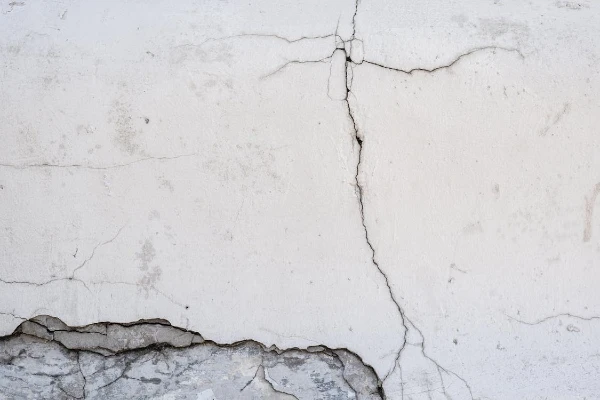
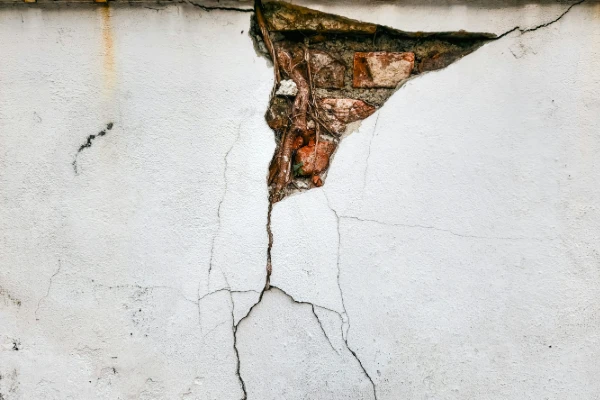
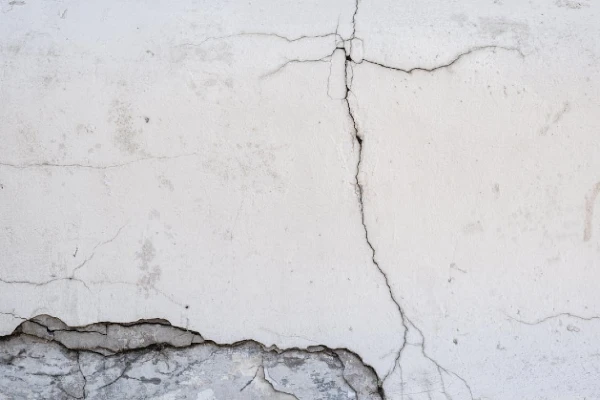
foundation cracks

Proper drainage systems, functioning gutters, and grading that directs water away from your foundation are essential pest control measures that protect both against pest damage and moisture-related structural issues.

Soil Contact and Landscaping Choices

Wooden structures in direct soil contact provide highways for subterranean termites to access your home undetected. Wood mulch placed against exterior walls, firewood storage near foundations, and untreated wooden fencing create perfect conditions for wood-destroying insects. Plant trees and shrubs at least three feet away from foundation walls to improve proper ventilation, reduce pest access, and allow for regular inspection of your foundation’s perimeter.

Utility Openings and Service Penetrations

Pipes, cables, and utility lines penetrating foundation walls often leave hidden entry gaps that pests exploit. These common entry points require careful sealing with appropriate materials to prevent pest entry while maintaining functionality. Even treated wood around these penetrations can develop gaps over time as materials expand and contract with temperature fluctuations.
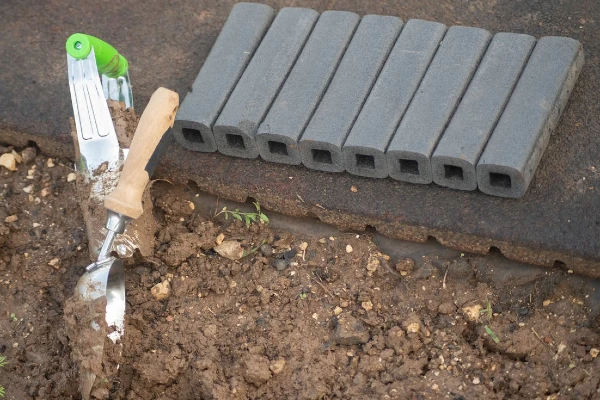
soil contact to foundation

Signs of Foundation Pest Damage

Early detection dramatically reduces repair costs and prevents minor issues from becoming structural emergencies. Knowing what to look for empowers you to act quickly.

Visual Evidence

Mud tubes climbing foundation walls signal subterranean termite activity. Wood debris near baseboards or wooden structures suggests carpenter ants. Carpenter bees leave visible bore holes with yellowish staining. Inspect crawl spaces for shed insect wings, droppings, or damaged wooden components during your regularly scheduled foundation reviews.

Structural Symptoms

Sagging floors, sticking doors and windows, and visible cracks in interior walls may indicate that pests have compromised structural integrity. Foundation walls showing bowing, horizontal cracking, or separation from adjacent structures require immediate professional assessment. What appears as cosmetic issues often masks extensive hidden entry damage within walls and beneath floors.

Sounds and Activity

Hearing faint clicking, rustling, or scratching sounds within walls, especially at night, often indicates active pest colonies. Flying ants or termites swarming near windows in spring signal nearby colonies. Regularly inspect both interior and exterior spaces for such warning signs, particularly around crawl space access points and basement areas.
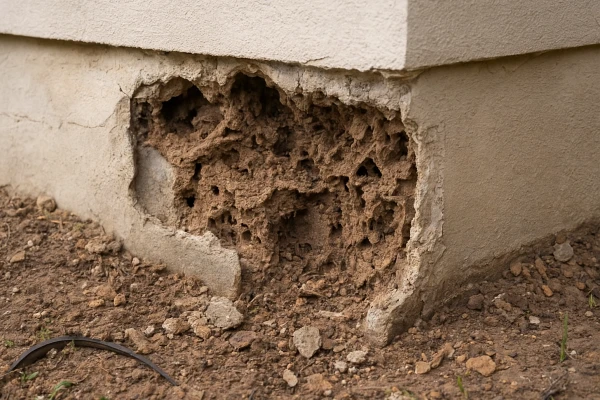
Foundation pest damage

When you identify any of these warning signs, it’s crucial to address both the pest problem and any resulting structural damage. For foundation issues requiring professional intervention, consider consulting specialists in cracked foundation repair who can assess whether pest activity has compromised your home’s structural stability and recommend appropriate remediation strategies.

Preventing Pest Damage to Foundations

Prevention proves far more cost-effective than remediation. Implementing comprehensive pest prevention strategies protects your investment and maintains your home’s structural integrity.

Seal Entry Points and Foundation Gaps

Conduct thorough inspections to identify and seal cracks in concrete foundations using appropriate sealants. Install tight-fitting door sweeps on all exterior doors, and apply weather stripping around windows and door frames. Address hidden entry points around utility penetrations with expanding foam or specialized sealants designed for pest exclusion. Even small cracks deserve attention—keeping pests out requires eliminating every potential access point.

Control Moisture and Improve Drainage
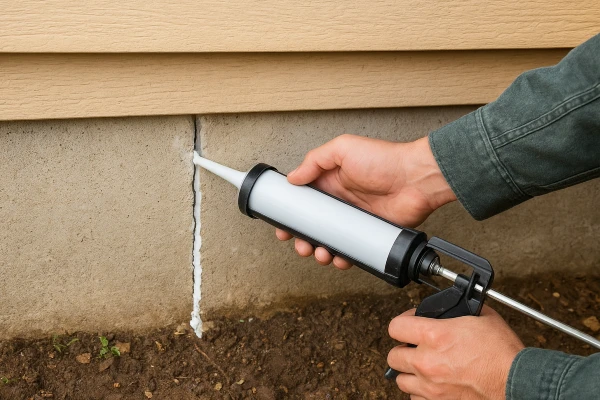
sealing a small crack in a concrete foundation

Ensure proper drainage around your foundation by maintaining functional gutters, extending downspouts at least six feet from your home, and grading soil to slope away from foundation walls. Install vapor barriers in crawl spaces to reduce indoor humidity and create inhospitable conditions for moisture-loving pests. Repair plumbing leaks promptly, and use dehumidifiers in damp conditions to maintain indoor humidity below 50 percent.

Modify Landscaping Practices

Remove wood mulch from direct contact with foundation walls, replacing it with gravel or stone in a 12-inch band. Store firewood elevated and at least 20 feet away from your foundation. Keep tree branches trimmed back from exterior walls to eliminate pest highways and improve proper ventilation. Clear yard debris regularly, as decomposing organic matter attracts both wood-destroying pests and the moisture they need.

Eliminate Food Sources and Attractants

Store pet food in sealed containers, and never leave it accessible overnight. Keep trash cans with tight-fitting lids away from foundation walls. Clean up spills promptly and maintain sanitary conditions in storage space areas. These simple housekeeping practices reduce the food sources that sustain pest populations and prevent the full-blown infestation that occurs when pests find everything they need in one location.

Use Treated Wood and Resistant Materials

When constructing additions or making repairs, specify treated wood rated for ground contact near foundation areas. Consider alternative foundation materials like steel or composite products that pests cannot consume or tunnel through. While concrete foundation slabs resist direct pest damage, ensure they’re properly sealed at joints and penetrations to prevent pest intrusion.

Repairing Foundation Damage Caused by Pests

Once pests have compromised your foundation or its supporting structures, professional intervention becomes necessary to restore structural integrity and prevent recurrence.

Professional Pest Elimination

Licensed pest control professionals employ targeted treatments to eliminate active infestations. Termite treatments may include liquid soil treatments creating barriers around foundations, bait systems that eliminate entire colonies, or fumigation for severe infestations. Carpenter ant control requires identifying and treating both primary and satellite colonies. Professional exterminators also provide documentation of treatment for future property transactions.

Structural Repairs and Restoration
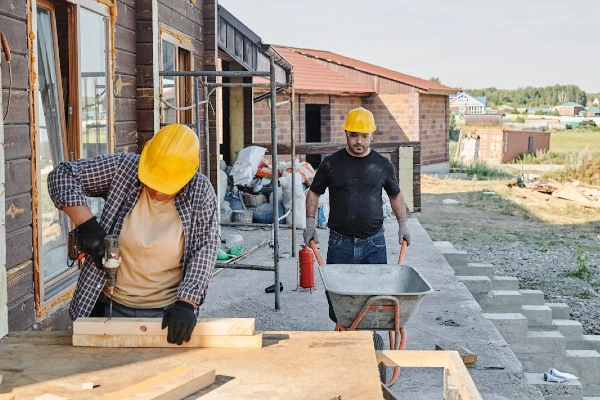
foundation repair by Powerlift

After pest eradication, assess the extent of structural damage with qualified foundation specialists. Damaged wooden beams may require sistering or complete replacement. Compromised foundation walls might need steel reinforcement, carbon fiber strapping, or underpinning to restore load-bearing capacity. At PowerLift Foundation Repair, we utilize synchronized hydraulic lifting systems and steel piers driven to bedrock to stabilize foundations compromised by pest activity and other factors. Our engineered solutions provide lifetime performance backed by comprehensive warranties.

Preventive Treatments and Barriers

Following repairs, implement preventive measures to prevent termites and other pests from returning. Physical barriers like metal flashing, sand barriers, or treated zones around foundations deter pest access. Chemical barriers applied during construction or as post-construction treatments provide long-term protection when maintained according to manufacturer specifications.

Long-Term Foundation Maintenance Strategies

Protecting your investment requires ongoing vigilance and proactive maintenance that addresses both structural concerns and pest prevention.

Regular Inspection Schedules

Establish a routine to regularly inspect your foundation’s exterior at least quarterly, looking for new cracks, moisture issues, or pest evidence. Schedule annual professional inspections by qualified foundation specialists who can identify subtle problems before they become emergencies. Document inspection findings with photographs and maintain records of all treatments and repairs.

Seasonal Maintenance Tasks

home foundation inspection

Each season brings specific maintenance requirements. Spring demands gutter cleaning and drainage verification as snow melts. Summer heat creates soil shrinkage, requiring consistent watering to maintain soil moisture near foundations. Fall necessitates removing fallen leaves and yard debris that create pest habitat. Winter inspections should focus on indoor spaces like crawl spaces, where pests seek warmth.

Professional Foundation Care by Powerlift

At PowerLift Foundation Repair, we recommend professional foundation assessments every 3-5 years, even when no obvious problems exist. Our experts evaluate drainage systems, identify developing cracks before they widen, and assess soil conditions that might predict future settling. Early intervention with our steel pier systems and synchronized lifting technology prevents small issues from escalating into major structural failures requiring extensive and costly repairs.

We serve homeowners throughout Oklahoma, Arkansas, North Carolina, and Tennessee with engineered solutions designed for maximum elevation recovery and lifetime performance. Our steel piers are driven through unstable soils to bedrock or true load-bearing strata, providing the permanent stability your home deserves. Contact us today at 800-562-5438 for a FREE estimate and discover why engineers, homeowners, realtors, and repair professionals trust PowerLift for foundation solutions.
Professional Foundation Care by Powerlift
Pests Damaging Foundation: Identification and Prevention Guide2025-11-03T10:44:31-06:00

Essential Guide to Plumbing Leaks, Foundation, and Their Solutions

When your home sits on a concrete slab foundation, plumbing leaks can create serious challenges that threaten both your property’s structural integrity and your peace of mind. Understanding how plumbing leaks and foundation problems develop, recognizing the warning signs, and knowing when to seek professional help can save you from costly repairs and severe damage down the road.

Understanding Plumbing Leaks in Foundation Systems

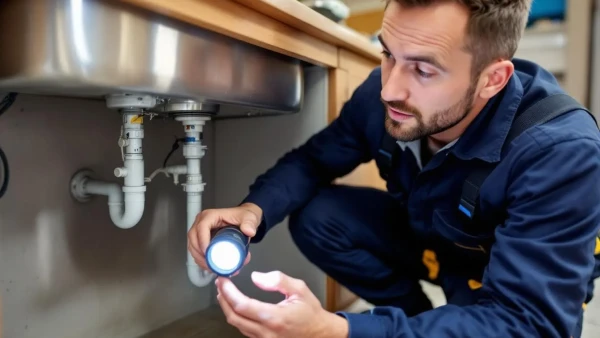
A plumbing system installed underneath your concrete slab foundation operates out of sight but plays a critical role in your home’s daily function. When slab leaks occur, water escapes from pipes embedded within or beneath the concrete slab, creating problems that homeowners often don’t notice until significant damage has already happened.

Essential Guide to Plumbing Leaks, Foundation, and Their Solutions

These leaks can affect both the water lines that supply your plumbing fixture connections and the sewer lines that carry waste away from your house.

The concrete slab foundation common in North Texas and throughout Oklahoma, Arkansas, North Carolina, and Tennessee provides a stable base for residential and commercial structures. However, this construction method means that water pipes and the entire sewer system run through or under several tons of concrete, making detection and repair more complex than plumbing issues in homes with crawl spaces or basements.

Left unchecked, even small plumbing leaks can compromise your home’s foundation. Excess water saturates the soil beneath your concrete slab, causing foundation shifts and movement that lead to cracks in walls and flooring. What begins as a minor leak can escalate into foundation damage requiring comprehensive foundation repair processes to restore your property’s stability.

Common Causes of Plumbing Leaks Under Foundations

Understanding what causes these underground pipes to fail helps homeowners take preventive measures and recognize problems early. Several factors contribute to slab leak occurrences:

Corrosion and Pipe Deterioration

Over time, water chemistry and soil conditions corrode pipes, particularly older copper and galvanized steel lines. Hard water with high mineral content accelerates this deterioration, gradually weakening water pipes until they develop pinhole leaks or larger failures. The corrosion process happens slowly, which is why many homeowners hear about foundation issues only after years of undetected damage.

Soil Movement and Foundation Shifts

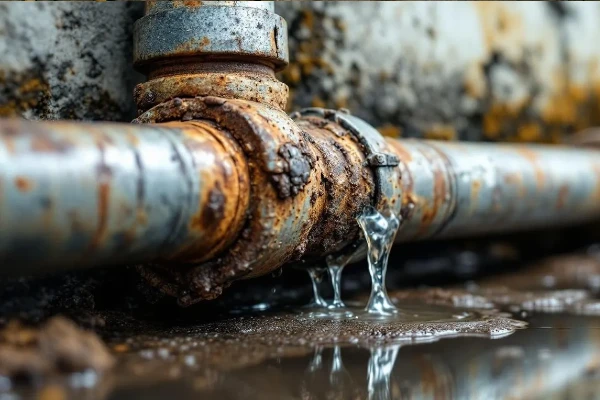
deteriorating pipes

The soil beneath your foundation naturally expands and contracts with moisture changes and weather conditions. In regions with expansive clay soils, these movements create tremendous pressure on underground pipes. As your foundation shifts, even slightly, it stresses plumbing lines, causing joints to separate or pipes to crack. This is a contributing factor in many slab foundation problems.

High-Pressure Issues

Excessive water pressure stresses your entire plumbing system. When pressure exceeds recommended levels, it strains pipe joints and connections, particularly where hot water pipes expand and contract with heat cycles. High pressure also accelerates wear on the water heater and every plumbing fixture throughout your house.

Poor Installation Practices

Improperly installed underneath your slab, plumbing lines may lack adequate protection or have stress points that fail prematurely. Pipes without proper drainage support or those installed with sharp bends become vulnerable to leaks as the foundation settles over time.

Abrasion and External Pressure

Concrete settling or rocks in the surrounding soil can rub against pipes over the years, wearing through protective coatings and eventually the pipe walls themselves. This slow abrasion creates weak points where leaks develop.

Temperature Fluctuations

Hot water pipes undergo constant expansion and contraction cycles with heat changes. This thermal stress, combined with any of the factors above, can cause pipes to separate at joints or develop stress fractures.

Warning Signs Your Foundation Has Plumbing Leaks

Recognizing visible signs of slab leaks early prevents further damage and reduces repair costs. Pay attention to these indicators that suggest plumbing problems beneath your concrete slab:

Visual and Physical Indicators

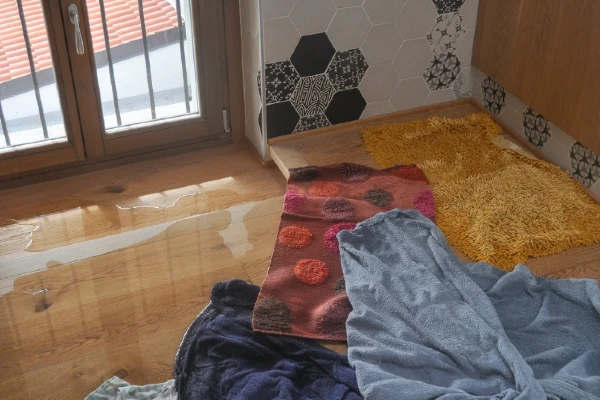
  • Unexplained Water Accumulation: Wet floors, particularly in areas with no obvious water source, often indicate leaking water from beneath your slab. Pooling water on your foundation or around your home’s perimeter, especially when it hasn’t rained, suggests leaking pipes underground.
  • Flooring Damage: Warped wood, stained carpets, or cracked tiles can result from moisture seeping up through your concrete slab foundation. When a slab leak occurs beneath flooring, moisture gradually damages materials from below, creating visible signs that homeowners should never ignore.
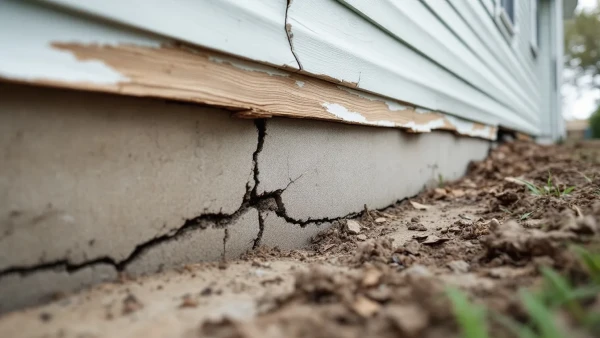
  • Wall and Foundation Cracks: While some cracks result from normal settling, new or expanding cracks may indicate foundation movement caused by soil erosion from leaking water. Horizontal cracks, cracks wider than a quarter-inch, or cracks that grow over time warrant immediate professional inspection.
  • Mold and Mildew: Persistent musty odors or visible mold growth, especially along baseboards or on lower walls, signal excess water accumulation. Moisture from slab leaks creates ideal conditions for mold, which poses health risks beyond the structural concerns.
A crack in the side of a house

Audible and Operational Signs

  • Sound of Running Water: Homeowners hear water running through pipes when no plumbing fixture is in use, indicating leaking pipes somewhere in the system. This sound, particularly noticeable at night when the house is quiet, suggests continuous water flow from a leak.
  • Low Water Pressure: When water pressure suddenly decreases throughout your house or in specific areas, it may indicate water escaping from your system through leaks. This is particularly noticeable in showers and when multiple fixtures operate simultaneously.
  • Water Heater Running Constantly: If your water heater cycles more frequently than normal or runs continuously, it might be compensating for water lost through hot water pipes leaks beneath your slab.

Utility and Financial Indicators

  • Sudden Spike in Water Bill: An unexplained increase in your water bill often provides the first clue that plumbing leaks exist somewhere in your system. Even small leaks waste significant amounts of water over billing cycles, causing costs to climb noticeably.
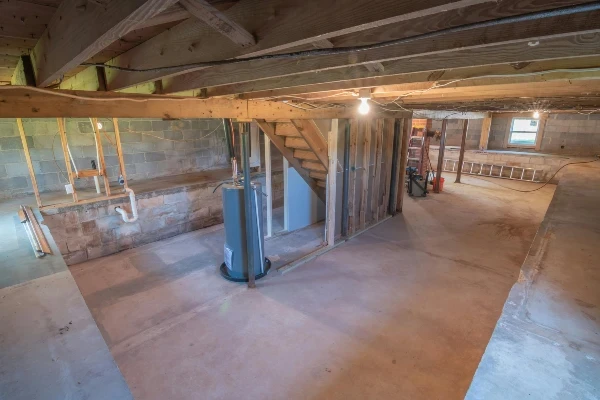
basement foundation
  • Running Toilets and Dripping Faucets: While these issues might seem separate from foundation problems, they indicate system-wide plumbing issues that require attention. Multiple plumbing problems occurring simultaneously often point to underlying system stress or aging infrastructure.

Professional Detection Methods for Foundation Plumbing Leaks

When you suspect slab leaks, professional plumbers employ specialized tools and techniques to locate problems without unnecessary destruction of your concrete slab:

  • Acoustic Leak Detection: Sensitive listening devices amplify the sound of water escaping from pipes, allowing technicians to pinpoint leak locations through your concrete slab. This non-invasive method works well for detecting larger leaks and determining whether foundation work will be necessary.
  • Thermal Imaging Cameras: These advanced tools detect temperature differences in your flooring and foundation caused by leaking water. Hot water pipes create warm spots, while cold water leaks show cooler areas, making thermal imaging cameras particularly effective for locating slab leak problems.
  • Pressure Testing: By isolating sections of your plumbing system and monitoring pressure changes, plumbers can determine whether leaks exist and approximate their severity. Pressure loss indicates escaping water somewhere in the tested section.
  • Video Camera Inspection: For sewer lines and drain line problems, small cameras inserted into pipes provide visual confirmation of cracks, blockages, or deterioration. This technology allows precise diagnosis without excavation.
water pooling due to a slab leak

These detection methods help professionals develop targeted repair strategies that minimize disruption to your home while effectively addressing plumbing leaks and foundation issues.

Repair Solutions for Plumbing Leaks in Foundations

Once detected, slab leaks require prompt repair to prevent ongoing foundation damage. Several approaches address these problems:

  • Traditional Pipe Replacement: This method involves breaking through your concrete slab to access and replace damaged sections of water pipes or sewer lines. While effective and permanent, it requires significant foundation work, including concrete removal and restoration.
  • Pipe Rerouting: Rather than accessing pipes beneath your slab, plumbers may reroute water lines through walls or attic spaces. This approach avoids extensive concrete demolition and often proves more cost-effective when more pipes show deterioration or when the leak occurs in hard-to-reach locations.
  • Epoxy Pipe Coating: For certain situations, technicians can apply epoxy coating inside existing pipes, sealing small leaks and preventing future corrosion. This trenchless technology works well for water lines, but isn’t suitable for all pipe materials or severe damage situations.
  • Spot Repair: When a single, accessible leak affects an otherwise sound plumbing system, targeted repair of just the damaged section may suffice. This limited approach minimizes costs and disruption while solving the immediate problem.
Powerlift repair solutions for plumbing leaks

Coordinating Plumbing and Foundation Repair

If leaking pipes have already caused foundation issues, addressing just the plumbing leaks won’t restore your home’s structural integrity. Comprehensive repair requires both fixing the water leaks and stabilizing your foundation. This is where residential foundation repair becomes essential.

PowerLift Foundation Repair specializes in stabilizing foundations damaged by plumbing leaks and other causes. Our steel piers are driven to bedrock or load-bearing strata, providing permanent support that counteracts foundation shifts and settlement. Unlike temporary solutions, PowerLift’s engineered system addresses the root cause of foundation movement, ensuring your repair investment delivers lifetime performance.

Our synchronized lifting system minimizes stress during the foundation repair process, maximizing crack closure in walls and flooring while restoring proper drainage around your property. This careful approach prevents further damage during repair work and delivers superior cosmetic recovery.

Cost Considerations

Powerlift underway

Foundation-related plumbing repairs vary significantly in cost based on leak severity, accessibility, and necessary foundation work. Simple spot repairs might cost a few thousand dollars, while extensive pipe rerouting or combined plumbing and foundation repairs can require substantially larger investments. However, addressing problems early always costs less than dealing with severe damage from prolonged neglect.

When evaluating repair estimates, consider long-term value. Quality repairs using proven methods and backed by warranties protect your investment better than quick fixes. PowerLift Foundation Repair’s lifetime guarantee on our steel pier system reflects our confidence in delivering permanent solutions rather than temporary patches.

Preventing Future Plumbing Leaks and Foundation Damage

Proactive maintenance and smart practices help prevent plumbing leaks and foundation problems:

  • Regular System Inspections: Have a licensed plumber inspect your plumbing system periodically, particularly if your house is more than 20 years old or you’ve noticed minor issues like low water pressure or running water sounds.
  • Monitor Water Pressure: Keep water pressure within recommended ranges (typically 40-70 psi) to reduce stress on your pipes and plumbing fixture connections. Install a pressure regulator if your system experiences high pressure.
  • Address Small Problems Promptly: Fix dripping faucets, running toilets, and other minor issues before they escalate or indicate larger system problems. These visible signs often point to plumbing problems requiring attention.
  • Maintain Proper Drainage: Ensure your sprinkler system, gutters, and yard grading direct water away from your foundation. Excess water around your home’s foundation contributes to soil expansion that stresses underground pipes and causes foundation movement.
thermal leak detection from Powerlift
  • Water Quality Management: If you have hard water, consider treatment systems that reduce mineral content and slow pipe corrosion. This investment extends your plumbing system’s lifespan.
  • Soil Moisture Control: In areas with expansive clay soils common throughout North Texas and surrounding regions, maintaining relatively consistent soil moisture prevents the extreme expansion and contraction cycles that stress both foundations and pipes.
  • Weather Preparation: During extreme weather conditions, protect exposed pipes from freezing and ensure proper drainage to prevent water accumulation that could affect your foundation.

Frequently Asked Questions About Foundation Plumbing Leaks

What causes plumbing leaks under a foundation?

The most common causes include pipe corrosion from hard water and soil chemistry, foundation shifts that stress pipes, high pressure in the system, poor installation, and normal wear from heat expansion cycles in hot water pipes. Weather conditions and soil movement also play contributing roles.

How long can foundation leaks go unnoticed?

Slab leaks can persist for months or even years before homeowners recognize visible signs. Small leaks waste water and cause gradual foundation damage without obvious symptoms until soil erosion or foundation shifts create noticeable problems like cracks or wet floors.

Can foundation leaks cause structural damage?

Absolutely. Leaking water erodes soil beneath your concrete slab, causing foundation settlement and movement. This compromises your home’s structural integrity, creating cracks in walls, uneven flooring, and potential issues with doors and windows that no longer fit properly. Left unchecked, severe damage can require extensive foundation repair work.

How much does it cost to fix a leak under the foundation?

Costs vary widely based on leak location, pipe condition, and necessary repairs. Simple repairs might cost $2,000-$4,000, while extensive rerouting or combined foundation and plumbing repairs can exceed $10,000. Early detection and repair always cost less than addressing severe damage and foundation issues.

Can I detect a slab leak myself?

While you can watch for warning signs like unexplained water bill increases, wet floors, low water pressure, or sounds of running water, accurately locating leaks beneath concrete requires specialized tools like thermal imaging cameras and acoustic sensors that professionals use. DIY detection often proves unreliable and delays necessary repairs.

Protecting Your Home from Plumbing Leaks and Foundation Damage

Plumbing leaks beneath your foundation represent serious threats that demand prompt attention. By understanding how these problems develop, recognizing warning signs early, and working with qualified professionals for both plumbing repairs and foundation stabilization, you protect your home’s structural integrity and avoid costly repairs from prolonged neglect.

Whether you’re dealing with active leaks or want to prevent future problems, combining quality plumbing maintenance with professional foundation monitoring provides the best protection for your investment. When foundation damage has occurred, specialized foundation repair solutions restore stability and prevent further deterioration.

At PowerLift Foundation Repair, we understand that protecting your home requires addressing problems correctly the first time.

visible water leaks from walls

Our steel pier systems provide permanent solutions for foundations compromised by plumbing leaks, soil movement, or other causes. Recommended by engineers, homeowners, realtors, and repair professionals throughout Oklahoma, Arkansas, North Carolina, and Tennessee, PowerLift delivers results backed by a lifetime guarantee.

Don’t let plumbing leaks, foundation problems compromise your home’s safety and value. Contact PowerLift Foundation Repair today for a FREE estimate on residential and commercial properties. Our experienced team will assess your foundation, explain your options, and deliver the permanent solutions your property deserves.

Call us at 800-562-5438 for your FREE ESTIMATE and protect your home’s foundation today!

Essential Guide to Plumbing Leaks, Foundation, and Their Solutions2025-10-27T10:14:36-05:00

Understanding Uneven Load Foundation Damage and Its Impact on Homes

When your home shows signs of foundation problems, understanding the root cause becomes critical to protecting your investment. Uneven load foundation damage represents one of the most serious issues homeowners face, potentially leading to significant structural damage and costly repairs if left unaddressed. At PowerLift Foundation Repair, we’ve witnessed firsthand how uneven load foundation damage can compromise a home’s structural integrity, creating safety concerns and diminishing property value across Oklahoma, Arkansas, North Carolina, and Tennessee.

What Is Uneven Load Foundation Damage?

Understanding Uneven Load Foundation Damage and Its Impact on Homes

Uneven load foundation damage occurs when the weight distribution across your foundation becomes imbalanced, causing certain areas to bear more stress than others. This irregular pressure creates foundation settlement in specific zones while other areas remain stable, resulting in differential settlement that threatens your building’s foundation stability.

The concept matters significantly for both residential and commercial buildings because foundations are designed to distribute weight evenly across the soil beneath. When this balance fails, foundation shifts begin, triggering a cascade of structural issues throughout the entire building. Understanding foundation damage causes helps property owners recognize warning signs early and prevent costly repairs down the road.

Foundation failure doesn’t happen overnight. Instead, uneven settling develops gradually as soil conditions change, structural supports weaken, or construction deficiencies reveal themselves over time. The home’s foundation serves as the literal base for everything above it, making any compromise to its stability a major structural concern.

Common Causes of Uneven Load Foundation Damage

Soil Movement and Moisture Variations

The soil beneath your home constantly reacts to environmental conditions, expanding and contracting based on soil moisture levels. Clay soils particularly demonstrate this behavior, swelling when saturated and shrinking during dry periods. This moisture impact on foundation creates uneven pressure points that compromise foundation walls and slab foundations alike.

Expansive soils generate tremendous force during expansion, lifting portions of your foundation while adjacent areas remain stationary. Conversely, when these soils dry out, they contract and create voids beneath the foundation, allowing sections to settle unevenly. Soil expansion and contraction cycles repeatedly stress your home’s structural integrity, gradually creating foundation cracks and foundation movement.

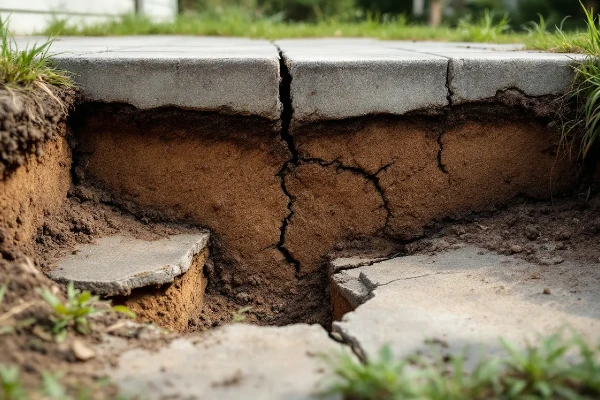
home's foundation showing visible cracks and signs of foundation movement

Excess moisture from poor drainage concentrates in specific areas around your property, creating localized soil instability. Drainage issues direct water toward your foundation rather than away from it, saturating the soil unevenly and accelerating foundation settling. Plumbing leaks beneath slabs contribute additional moisture to the soil, creating focused zones of soil movement that undermine foundation stability.

Poor Construction and Soil Compaction

Poor soil compaction during initial construction leaves void spaces in the soil that eventually compress under your home’s weight. When soil isn’t properly compacted before pouring the foundation, these voids collapse at different rates, causing uneven settlement across the foundation’s footprint. This construction deficiency represents a significant cause of foundation issues that may not manifest for years after initial building.

Inadequate site preparation, including insufficient excavation depth or improper grading, creates conditions where soil conditions vary dramatically across your property. Areas with naturally weak soil or inconsistent composition settle differently under structural loads, particularly affecting deep foundations and beam foundations that rely on uniform soil support.

Soil erosion beneath existing foundations removes material that once provided crucial support. As water infiltrates and washes away fine soil particles, gaps form that allow foundation sections to sink, creating the differential settlement that characterizes uneven load foundation damage.

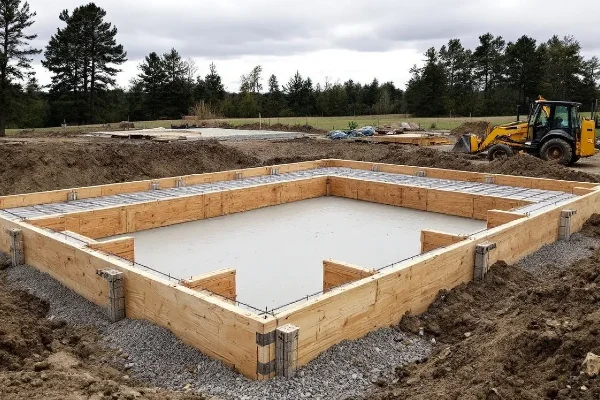
construction of a home foundation

Heavy Loads and Structural Stress

Concentrated weight from additions, heavy appliances, or improperly designed structural supports creates localized pressure points that exceed the foundation’s load-bearing capacity. When renovations add second stories or room extensions without adequately reinforcing the foundation, uneven floors and foundation shifts inevitably follow.

Unbalanced structural weight distribution occurs when architects or builders fail to account for total load requirements during design. Concrete block walls and basement walls bearing excessive loads without proper support transfer stress unevenly to the foundation, creating focused settlement zones that compromise the entire building’s stability.

Warning Signs of Uneven Load Foundation Damage

Visible Cracks in Walls and Floors

Foundation cracks manifest in predictable patterns that reveal underlying foundation damage. Vertical cracks typically indicate minor settling, while diagonal or stair step cracks in concrete block walls signal more serious issues related to differential settlement. Cracked walls inside your home, particularly cracks wider than 1/4 inch, warrant immediate professional evaluation.

Interior walls developing cracks near door and window frames indicate foundation movement affecting the building’s structural framework. Floor cracks running across concrete slabs or appearing at joints between flooring materials reveal uneven settlement beneath. A cracked chimney separating from your home’s exterior represents a severe warning sign of significant structural damage requiring urgent attention.

visible wall cracks

Uneven or Sloping Floors

Uneven floors or sloping floors represent direct evidence of foundation settling beneath your home. When walking across rooms reveals noticeable dips, ridges, or slopes, the foundation has already experienced substantial movement. Homeowners often first notice these irregularities when furniture no longer sits level or marbles roll consistently toward certain areas.

These floor surface irregularities reveal underlying foundation issues that have progressed beyond initial stages. In homes with crawl space foundations, sagging floors may indicate both foundation problems and compromised structural supports beneath the floor system.

Doors and Windows That Stick or Do Not Close Properly

Sticking doors that suddenly require forcing to open or close signal foundation shifts altering door and window frames. As foundations settle unevenly, they twist building frames, causing doors and windows to bind in their openings. Window frames showing gaps or refusing to lock properly demonstrate how foundation movement propagates throughout your home’s structure.

These symptoms often appear gradually, with homeowners initially attributing them to seasonal humidity changes. However, persistent issues across multiple doors and windows typically indicate foundation settling rather than normal seasonal variations.

Plumbing and Electrical Issues Linked to Foundation Movement

house with a good foundation

Foundation movement stresses pipes and electrical conduits running through slabs and basement walls. Drainage systems may develop slopes that prevent proper water flow, while sewer lines crack or separate at joints. Plumbing leaks appearing without an obvious cause often trace back to foundation shifts, stressing rigid pipe connections.

Electrical problem,s including circuit breakers tripping or outlets pulling away from walls, can result from foundation issues straining wiring systems. These secondary symptoms demonstrate how uneven load foundation damage affects every system within your home.

Diagnosing Uneven Load Foundation Damage

Professional foundation inspection involves a comprehensive assessment of visible signs combined with technical analysis of underlying conditions. Foundation experts examine noticeable cracks, measure floor slopes, assess door and window alignment, and evaluate the foundation’s condition through visual inspection and diagnostic tools.

Soil analysis determines the composition, moisture content, and load-bearing capacity of the soil beneath your home. Engineers assess whether clay soils, expansive soils, or poor soil compaction contribute to foundation failure. Structural surveys map settlement patterns, identifying areas experiencing the most severe foundation settling.

Advanced diagnostic techniques, including laser levels, soil borings, and structural load calculations, provide detailed information about your foundation problems. This thorough evaluation determines appropriate repair methods and helps prevent further damage by addressing root causes.

Repairing Uneven Load Foundation Damage

Foundation Underpinning and Leveling Techniques

Foundation repair for uneven load damage typically involves foundation underpinning using piering systems to stabilize and level settled areas. Push piers driven deep into stable soil strata transfer structural loads past unstable surface soils, halting foundation settlement and often allowing foundation leveling to restore original elevations.

Helical piers provide similar support through spiral-shaped steel shafts screwed into load-bearing soil layers. These structural supports lift settled foundation sections while stabilizing against future movement. Slabjacking, or high-density polyurethane foam injection, raises sunken concrete slabs by pumping expanding foam beneath the surface, filling voids and lifting the foundation to proper elevation.

Foundation leveling restores your home’s structural integrity by eliminating the differential settlement causing structural instability. Professional repair method selection depends on foundation type, soil conditions, settlement severity, and access considerations around your property.

repairing uneven foundation damage

Drainage and Soil Stabilization Solutions

Preventing future uneven settling requires addressing poor drainage that contributes to soil moisture variations. Installing proper drainage systems, including French drains, gutters, and grading improvements, directs water away from foundation walls, reducing soil expansion and contraction cycles that cause foundation issues.

Soil stabilization techniques, including chemical injection or moisture barriers, modify soil conditions to prevent excessive movement. These solutions particularly benefit properties with expansive soils or clay soils prone to dramatic volume changes with moisture fluctuations.

When to Consult Structural Engineers and Foundation Experts

Structural engineers should evaluate properties showing serious issues including major structural concerns like large foundation cracks, severe sloping floors, or visible foundation movement. Their expertise determines whether damage threatens structural integrity and what repair methods will effectively restore stability.

Foundation experts specializing in uneven load foundation damage provide free estimate services assessing damage severity and recommending appropriate solutions. Early intervention prevents costly repairs by addressing problems before they escalate into foundation failure requiring extensive reconstruction.

Preventative Measures to Avoid Uneven Load Foundation Damage

Powerlift underway

Proper soil preparation during construction, including thorough compaction and appropriate foundation design for local soil conditions, prevents many foundation problems before they start. Balanced load design ensures the weight is distributed evenly across foundation walls and supports, avoiding concentrated stress points that cause uneven settlement.

Routine inspections identifying early warning signs allow homeowners to address minor foundation settling before it progresses to significant structural damage. Maintaining consistent soil moisture through proper landscaping and irrigation prevents the dramatic expansion and contraction cycles that stress foundations.

Addressing drainage issues promptly, repairing plumbing leaks immediately, and monitoring for visible cracks enable property owners to protect their home’s foundation proactively. Regular maintenance of gutters, downspouts, and site grading preserves the drainage systems, protecting your foundation investment.

Protect Your Home with Professional Foundation Solutions

Uneven load foundation damage threatens your home’s structural integrity and requires prompt attention from experienced professionals. At PowerLift Foundation Repair, we understand that foundation problems create anxiety and uncertainty for homeowners throughout Oklahoma, Arkansas, North Carolina, and Tennessee. Our expertise in diagnosing and repairing foundation settling, foundation cracks, and differential settlement ensures your property receives the most effective solution tailored to your specific situation.

Don’t wait for minor foundation issues to escalate into major structural concerns requiring extensive, costly repairs. Early intervention through professional foundation inspection and repair prevents further damage while protecting your investment. Our team utilizes proven repair methods, including foundation underpinning, high-density polyurethane foam injection, and comprehensive drainage solutions to restore your home’s foundation stability.

contact PowerLift Foundation Repair

Get a FREE ESTIMATE Today! Contact us at 800-562-5438 for more information. Our foundation experts will assess your property’s foundation condition, explain your repair options, and provide the transparent pricing you need to make informed decisions about protecting your home’s structural integrity. At PowerLift Foundation Repair, we’re committed to repairing your home correctly the first time, ensuring lasting stability and peace of mind for years to come.

Understanding Uneven Load Foundation Damage and Its Impact on Homes2025-10-10T10:32:51-05:00

The Dangers of Foundation Drainage Issues

When most homeowners think about protecting their homes, they focus on roofing, siding, or landscaping. But one of the most overlooked areas is also one of the most important: foundation drainage. If your drainage system isn’t working properly, excess water can wreak havoc on your home’s foundation, leading to costly repairs, structural issues, and even health risks.

Proper drainage around your home’s foundation is essential to prevent structural damage and avoid expensive repairs.

At Powerlift, we’ve seen firsthand how poor drainage creates problems that could have been avoided with the right solutions. That’s why we’re breaking down why foundation drainage issues are so dangerous, what signs to look for, and how to protect your home with the right approach.

The Dangers of Foundation Drainage Issues

Why Foundation Drainage Matters

Your home’s foundation is designed to support the entire structure, but it doesn’t stand a chance against constant water intrusion. Drainage problems lead to excess moisture collecting around your foundation walls, crawl space, or basement. Over time, this moisture seeps into the concrete, weakening its strength and causing foundation movement.

Fluctuating moisture levels in the soil can cause it to expand and contract, which may result in foundation instability and increase the risk of damage.

When water accumulation isn’t addressed, it eventually leads to foundation cracks, uneven floors, and structural instability. Simply put, proper drainage isn’t just about keeping your yard dry—it’s about keeping your home’s foundation solid.

Common Causes of Foundation Drainage Issues

Drainage issues don’t happen overnight. They develop slowly, often going unnoticed until significant damage has occurred. Heavy rains can quickly reveal or worsen existing drainage issues around the foundation. Here are some of the most common culprits we find when inspecting homes:

1. Improper Drainage Around the Foundation

If your yard slopes toward the house instead of away from it, you’re inviting too much water to collect around your foundation walls. This creates hydrostatic pressure, which pushes moisture into your concrete and basement walls.

2. Clogged Gutters and Downspouts

Dead leaves, debris, and blocked gutters are more harmful than most people think. When gutters overflow, all that water pools right at the foundation edge. Without proper downspouts to channel water away, you’ll quickly see water infiltration problems.

3. Heavy Rainfall and Runoff

clogged gutters and downspouts

In regions with clay soil, rainwater doesn’t drain quickly. The soil expands with moisture and contracts when dry, causing foundation movement that leads to cracks and shifting.

4. Poorly Installed Drainage Systems

Not all drainage systems are created equal. If French drains, catch basins, or perforated pipe systems weren’t installed correctly, they can clog, back up, or fail completely—leaving you with a major foundation drainage problem.

5. Neglected Crawl Spaces and Basements

A wet basement or damp crawl space is a red flag for water seepage. Left untreated, it leads to mold, mildew, and eventually, a damaged foundation.

Signs Your Foundation Has Drainage Problems

Not sure if your house is at risk? Watch for these warning signs of drainage issues and water damage:

  • Pooling water around your home after rain
  • Visible cracks in your basement or foundation walls
  • Mold or mildew growth indoors
  • Uneven floors or sticking doors and windows
  • Water gushing near your foundation during storms
  • Exposed soil or gravel erosion around your yard’s edge
  • A musty smell in the basement or crawl space

These are clear indications that water is not draining the way it should. The sooner you notice and address them, the better you can protect your property.

Evaluating Your Foundation Drainage

pooling water around a home's foundation after heavy rainfall

Before you can fix a drainage problem, you need to know exactly what you’re dealing with. Evaluating your foundation drainage is the first step in protecting your home from excess moisture and the costly damage it can cause. Homeowners should start by walking around the entire area of their property after a heavy rain, looking for signs of poor drainage such as standing water, water accumulation, or pooling water near the foundation. These are clear indicators that your drainage system may not be working as it should.

Next, check the grading of your yard. The soil should slope away from the foundation, not toward it. If water flows toward your house, it’s time to consider solutions like regrading or installing a French drain to redirect water away from the foundation. Don’t forget to inspect the condition of your drains and look for any blockages or areas where water seems to linger. By thoroughly evaluating your property, you can identify drainage problems early and choose the right solution to keep excess moisture away from your home’s foundation.

The Risks of Poor Foundation Drainage

Ignoring foundation drainage issues doesn’t just cause small inconveniences; it can create serious hazards for your home and health. Poor drainage can also lead to other problems, such as pest infestations, increased humidity, and damage to landscaping.

1. Structural Integrity at Risk

When water seeps into the concrete, it causes cracks and weakens the entire structure. Over time, the foundation may settle unevenly, creating more foundation problems that spread throughout the house.

2. Expensive Repairs

Foundation repair costs skyrocket when damage is left unchecked. A small issue with water flow or blocked gutters can snowball into thousands of dollars in structural repairs. Fixing drainage issues early is far more cost-effective than waiting until major repairs are needed.

Risks of Poor Foundation Drainage

3. Mold and Health Concerns

Excess moisture creates the perfect environment for mold and mildew growth. Mold spores can trigger respiratory issues and other health risks, especially for children and elderly family members.

4. Reduced Property Value

A house with visible foundation cracks or drainage problems is a red flag for potential buyers. Even minor foundation issues can lower your property value significantly.

5. Long-Term Damage to the Entire Structure

From bowing walls to sloping floors, water infiltration affects your entire house—not just the foundation. Over time, it compromises the stability of your home’s frame, walls, and even your roof.

Cracked Foundation Repair: A Key Part of the Solution

At some point, almost every homeowner dealing with foundation drainage issues will face the need for cracked foundation repair. Cracks in foundation walls are often a direct result of excess water and poor drainage.

These cracks frequently occur after exposing the foundation to prolonged water intrusion and poor drainage conditions, which can reveal underlying structural vulnerabilities.

The good news? Powerlift specializes in repairing these problems with proven methods like underpinning, hydraulic systems, and advanced repair solutions. Whether the damage is minor or severe, addressing cracks quickly prevents further foundation damage and saves you money in the long run.

Effective Drainage Solutions

Cracks in foundation walls

If your drainage system isn’t working properly, it’s not the end of the world. There are multiple drainage solutions available, and the right one depends on the root cause of your problem.

1. French Drains

A French drain is one of the most effective ways to channel water away from the foundation. By installing a perforated pipe covered in gravel, water is redirected before it can seep into the ground around your home.

2. Sump Pumps

For homes with frequent water accumulation, a sump pump installed in the basement or crawl space can pump water away before it causes damage.

3. Catch Basins

Catch basins collect water runoff from driveways, patios, and yards, helping redirect excess water before it pools around your home’s foundation.

4. Proper Grading

Sometimes, a drainage problem comes down to landscaping. Proper grading of your yard ensures water flows away from your home instead of toward it.

5. Gutter and Downspout Maintenance

Regularly cleaning gutters and extending downspouts away from the house keeps water from dumping directly at your foundation edge.

DIY vs. Professional Drainage Solutions

When faced with drainage issues, many homeowners wonder if they should tackle the problem themselves or call in the experts. While some minor drainage issues might seem manageable with a DIY approach, the reality is that improper fixes can lead to bigger headaches down the road. Installing a drainage system like a French drain or catch basins requires careful planning, knowledge of soil conditions (such as clay soil), and the right materials to ensure water is directed away from the foundation and not into the crawl space or basement.

A professional foundation repair company brings experience and expertise to the table. They can accurately assess the drainage issue, recommend the most effective solutions, and ensure everything is working properly. Professionals can also verify that the drainage system is correctly installed and address any underlying problems, such as improper grading or persistent water flow issues. By trusting the experts, homeowners can avoid the pitfalls of incomplete DIY fixes and enjoy peace of mind knowing their foundation is protected for the long term.

Why Choose Powerlift for Foundation Drainage Solutions

At Powerlift, we know that no two homes are the same. That’s why we start with a professional inspection to identify the specific drainage issues affecting your property. From there, we recommend a custom drainage system or foundation repair plan that protects your home for the long run.

Whether you’re dealing with standing water, water seepage, or serious foundation damage, our team has the expertise and equipment to provide an effective solution. We’ve helped countless homeowners safeguard their homes from the damaging effects of poor drainage, and we can help you too.

Importance of Professional Help

Addressing foundation drainage problems is not just about installing a drain or redirecting water—it’s about safeguarding your home’s structural integrity for years to come.

Powerlift underway

Professional help is essential for a thorough evaluation of your drainage system and foundation walls. Experts can identify the root cause of drainage issues, whether it’s a failing sump pump, clogged gutters, or a need for a new French drain, and recommend the best solution for your entire area.

A professional foundation repair company will not only install the right drainage system but also verify that it’s working properly, protecting your home from water damage and future drainage issues. They’ll ensure that gutters and downspouts are functioning, the foundation is secure, and that all components work together to keep water away from the foundation. Regular inspections and maintenance by professionals can catch potential problems early, saving homeowners from expensive repairs and helping to maintain the value and safety of their home. By investing in professional help, you’re taking the most effective step to protect your foundation and your peace of mind.

Practical Tips for Homeowners

Here are some easy steps you can take to reduce the risks of foundation drainage problems:

  • Regularly clean gutters and remove debris
  • Verify downspouts are carrying water at least 6 feet away from the house
  • Inspect your yard for pools of water after rain
  • Look for other signs like cracks, mildew, or musty odors in the basement
  • Schedule regular inspections of your foundation walls and crawl space

Being proactive with home maintenance can save you thousands in future repairs.

Time to Put Powerlift to Work

Poor foundation drainage might seem like a simple water issue, but it’s actually one of the leading causes of foundation damage. From excess moisture and water seepage to full-blown structural issues, the dangers are real, and the longer you wait to act, the worse the damage gets.

The good news? You don’t have to face it alone. At Powerlift, we provide proven drainage solutions and foundation repair services that protect your home, keep your foundation strong, and help you avoid costly repairs down the road.

If you’ve noticed drainage problems or are worried about water damage around your foundation, contact Powerlift today for a free estimate. We’ll help you fix the root cause of the issue, keep your home’s foundation solid, and give you a safe, dry, and healthier living space.

Contact Powerlift for foundation drainage repair
The Dangers of Foundation Drainage Issues2025-10-03T11:13:02-05:00
Go to Top