

In 2024, North Carolina experienced 67 flood-related fatalities. States like Oklahoma, Arkansas, Tennessee, and Arizona are also prone to flash floods, especially during heavy rainfall or rapid snowmelt. According to the National Weather Service, flash floods are one of the more serious weather-related concerns nationwide, and aside from being dangerous for people, they’re also a serious threat to your foundation.
Powerlift Foundation Repair takes foundation safety seriously, so below, we’ll talk about the specific flash flood risks for foundation stability. This includes how flash floods affect different types of foundations, flood-related hazards to watch out for, and how to keep your home or building standing strong.
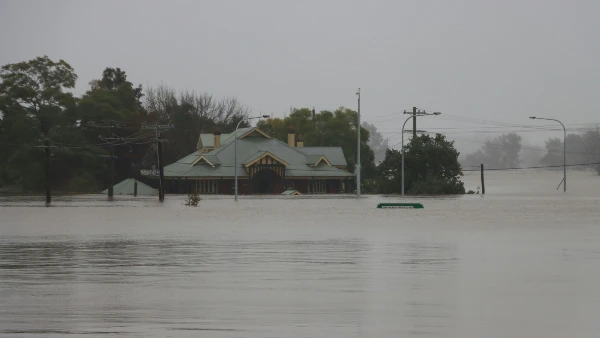
10 Ways Flash Floods Can Damage a Foundation
1. Washed-Out Soil Beneath the Foundation
When a flash flood hits, the ground around your home gets soaked. But the real issue happens when fast-moving water washes away the soil that holds your foundation up. Suddenly, parts of your home don’t have solid ground beneath them. For homes with slab foundations, especially in Oklahoma and Arizona, that means cracked concrete, tilting, and sections of the house literally sinking. Additionally, once the soil’s gone, it will take serious stabilization work to put things right.
2. Pressure Buildup Against Basement Walls
Flash floods bring water to the ground, and that water starts pressing against your basement walls from all sides. It’s called hydrostatic pressure, and it can cause those walls to bulge, crack, and in extreme cases, cave in. The pressure doesn’t go away once the rain stops, either. It stays in the saturated soil for days or even weeks. This is especially common in North Carolina and Tennessee, where basement homes are more popular.
3. Heaving Clay Soils
Certain parts of Tennessee, Arkansas, and North Carolina have clay-rich soil that swells when it gets wet. And during a flash flood, that soil expands fast and puts uneven pressure on your foundation. Some parts of the house might rise slightly while others stay put, which is how you end up with broken tiles, cracked drywall, and door frames suddenly going crooked.
Homes with crawl spaces or slabs are both affected here. It’s all about what’s underneath the foundation, and clay doesn’t do well with water.
4. Standing Water in Crawl Spaces
Homes with crawl spaces, especially older ones across Arkansas and Oklahoma, are magnets for floodwater. If water makes it under your house and stays there, you’re looking at a breeding ground for mold, rotting wood supports, and softening soil. The wood holding up your floor joist and beams starts to sag, and it can start to give out entirely.
5. Hairline Cracks That Turn into Bigger Problems
Concrete expands and contracts naturally, but in the face of flash floods, the tiny cracks in your foundation can quickly grow into major structural issues. As water levels rise and water seeps in, it erodes material from the inside out. Once the crack widens, it allows even more water in, setting off a vicious cycle.
These cracks aren’t always obvious at first. They might be in the corners of your garage, behind appliances, or under carpeting. But over time, you’ll notice things like uneven floors, wall cracks, or gaps at the baseboards.
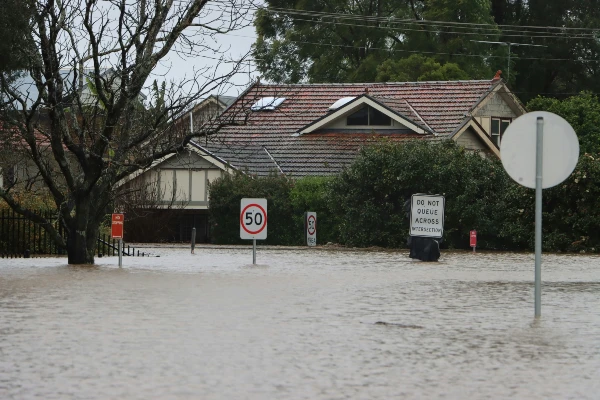
6. Hidden Mold and Mildew Damage
After a flood, your house might dry out on the outside. However, under the surface, moisture sticks around. Mold and mildew can grow in damp, dark places like crawl spaces and basements. Once they show up, they start eating away at wood, insulation, and anything organic they can find. Worse, that mold gets into your home’s air.
Besides the health risks, mold can quietly weaken the structural parts of your home. Floor joists, beams, subfloors—if they’re moldy, they’re not doing their job.
7. Foundation Coatings Getting Worn Away
Some foundations are sealed with a waterproof coating, but that doesn’t usually last forever, especially after a long flash flood. If the water rushes in hard enough, it can chip away or wear down that protective layer, leaving your home vulnerable to leaks. You might not even notice it until months later when the next heavy rainfall rolls in and your basement feels damp again.
Keeping that waterproof barrier intact is important, but most homeowners don’t realize it needs regular checks until it’s too late.
8. Foundation Walls Pushed Out of Alignment
The force of rushing water can push against your foundation hard enough to shift it. This is more common in older homes with cinder block or brick foundations, especially in flood-prone areas like parts of rural Arkansas or low-lying areas in Tennessee.
You might see this as gaps around your chimney, doors that won’t latch, or windows that suddenly don’t sit square in the frame. Those are signs that the structure underneath your home has been nudged off balance.
9. Drainage System Failure
Many homes have drainage systems like French drains or sump pumps that are designed to move water away from the foundation. But during a flash flood, these systems can get overwhelmed, or worse, fail completely. Clogged pipes, broken pumps, or just too much water at once mean the water has nowhere to go, sending it pooling right next to your foundation. This is where the problems start.
Even if your drainage system worked fine last year, it might not be ready for the next record-breaking storm.
10. Water Meets Wires: Electrical and Structural Risk
If a flash flood causes flood waters to reach electrical boxes or wiring inside your basement or crawl space, you’ve got a potential fire hazard or electrocution risk on your hands. Water can damage the wiring insulation, trip breakers, and compromise outlets.
Foundations affected by water and electricity together often require both structural and electrical repairs.
What Can You Do to Prevent Foundation Trouble During Flash Floods?
Flash floods are unpredictable, but you can make sure your house is better prepared for them if they do come. These are some of the smart moves you can make before the next flash flood rolls in:
- Prioritize proper grading: The soil around your house should slope away from the foundation. That way, rainwater naturally drains off instead of pooling next to your walls.
- Keep your gutters and downspouts clean: If leaves or debris clog them up, all that water ends up spilling over the sides and soaking the base of your house. Your downspouts should stretch several feet away from your foundation.
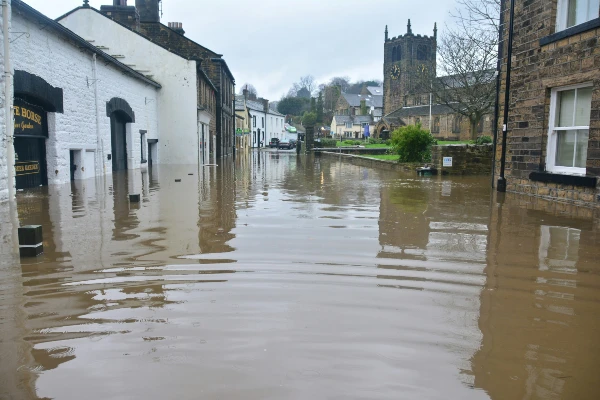
- Waterproof the foundation: You can add sealants to the walls, install a vapor barrier in the crawl space, or put in a sump pump system. Some homes benefit from outside drainage systems like French drains, which redirect water underground before it causes a problem.
- Inspect and repair small cracks early: A little crack in the concrete can worsen, especially after flash floods. We recommend having a professional check them out.
- Consider raising utilities: If your water heater, furnace, or electric panel is in the basement or crawl space, talk to a contractor about raising them up out of flood range.
What to Do If You Suspect Foundation Damage After a Flash Flood
If you just made it through a storm and you think you might be dealing with foundation issues, act fast. The sooner you address them, the better your chances of fixing the issue before it worsens.
- Check for obvious signs. Look for things like water in the basement, cracks in the walls or floors, musty smells, or strange noises like popping or creaking from the floors. Check both inside and outside.
- Document what you see. Snap some photos, make a few notes, and if you have homeowners insurance, start a claim. Having proof of the damage helps later.
- Call a professional, like Powerlift Foundation Repair, for residential foundation repair services. We’ve been working on properties across Oklahoma, Arkansas, North Carolina, Tennessee, Arizona, and surrounding communities for decades. If foundation-related issues occur, tell us your location and we’ll send someone out to inspect the situation. Then we’ll let you know what needs to be done to repair your foundation.
Other Reminders to Keep in Mind
Flash floods might hit fast, but the effects can last a long time, especially on your home’s foundation. While we’ve already talked about direct damage to your structure, there are other things to keep in mind, especially if you live in high-risk areas that deal with unpredictable weather, shifting land, or inconsistent rainfall. These reminders can help you make smarter choices and avoid surprise repairs later.
1. Flash Flooding Can Happen Almost Anywhere, Not Just Near Rivers
People often assume flood risk only applies to people living near big rivers or the coast, but that’s not always the case.
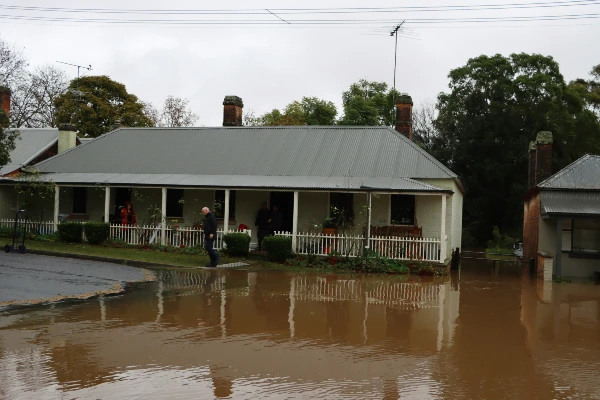
Flash floods can happen in urban areas, rural areas, mountainous areas, and even neighborhoods that haven’t had major floods before.
According to FEMA flood maps, many places across Oklahoma, Arkansas, Tennessee, North Carolina, and Arizona are classified as special flood hazard areas. If your property falls into one of these zones, it likely requires flood insurance through the National Flood Insurance Program.
2. Even a Short Period of Rain Can Potentially Do Major Damage
A single afternoon of heavy rains, especially in a short period, can cause shallow flooding that weakens your soil and pushes water into your crawl space or basement. In urban areas, all that water has nowhere to go because of concrete and pavement, while in rural areas, the land may not have the proper grading or drainage systems to handle it. Both situations can lead to water pooling at the base of your home, and that’s where foundation issues begin.
3. Drought Followed by Rain Can Be Troublesome
Long stretches of drought actually make your foundation more vulnerable to damage. Dry soil pulls away from the base of your house, creating gaps. Then, when a sudden tropical cyclone or thunderstorm rolls through with heavy rains, that dried-out soil can’t absorb it fast enough. Water rushes in, finds the lowest points, and causes movement. This can put uneven pressure on your foundation walls.
4. Pay Attention to the Landscape Around You
Your home’s elevation, distance from water sources, and soil type all affect how well it stands up to flash floods. Homes built near lakes, rivers, or on low-lying land are especially vulnerable, as are properties located near old dams or levees. In rare cases, dam failures during heavy storms have caused extensive damage miles downstream, even in places not considered high risk.
If you live near the coast or in coastal areas, be aware of storm surge and coastal flooding, which can flood roads and homes even before the rain starts falling. This type of water damage is especially dangerous because it mixes saltwater with freshwater, which can corrode building materials and speed up foundation breakdown.
And don’t assume your risk is low just because your area isn’t labeled extreme. Many places fall into a moderate risk category, and floods still happen there.
5. Stay Tuned In and Plan Ahead
Flash flood warnings are based on real-time data pulled from ground sensors, radar, and river gauges. If local officials issue a flood watch or warning, listen. Pay attention to expected rainfall amounts, especially in areas near river flood zones or steep terrain.
And if you or a family member needs necessary medical care, plan for it in advance, as flooded roads can delay emergency services by hours.
Dealing With Flood Damage? Powerlift Foundation Repair Can Help
Intense storms and flash floods don’t just come and go—flood events leave behind a trail of problems and potential structural damage. And with climate change, the weather has only become even more unpredictable. If you’re worried that your location and surrounding areas are at risk of flooding, we can help you keep your home storm-ready, and we can also help bring your foundation back to its former glory after receiving storm damage.
Visit our website or contact us here to get started!