
In many parts of the country, weather swings from drought to downpour without much warning. While the wild shifts might feel like a nuisance, they’re doing more than just wrecking your lawn. These wet-dry cycles directly affect your home’s foundation, often leading to cracks, displacement, and long-term structural damage.
Understanding how the soil responds to these cycles can help you catch early warning signs and protect your home from serious foundation problems.
Why Moisture Matters So Much in Foundation Health
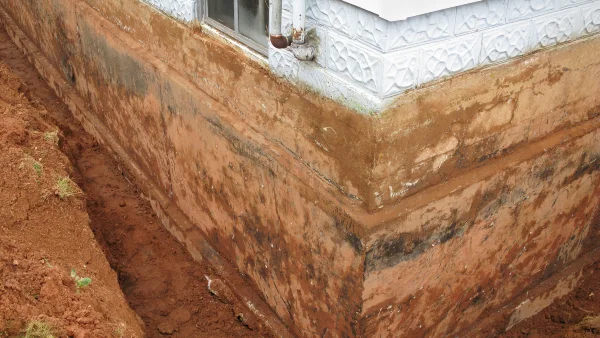
The ground beneath your home is a dynamic system. It expands when wet, contracts when dry, and this constant movement creates stress on your foundation. Over time, this pressure leads to cracking, bowing walls, and uneven settling.
In regions with clay-heavy soil, these cycles are particularly intense. Water content in clay can cause a significant increase in volume, then shrink dramatically when dry. These fluctuations stress the foundation repeatedly, increasing the risk of long-term damage.
What Are Wet-Dry Soil Cycles?
Wet-dry cycles refer to repeated periods of soaking and drying in the soil. After a heavy rainfall, the soil becomes saturated. Then the hot sun returns, the moisture evaporates, and the soil dries out again.
This back-and-forth cycle influences:
- Soil structure
- Moisture accumulation and evaporation
- Foundation pressure and stress
Each phase leaves its mark. Dry soil shrinks away from the foundation, forming gaps. When it rains again, that water rushes in, swelling the soil and pushing hard against the walls.

The Science of Shrinking and Swelling Soils
Let’s break down what’s happening on a soil level.
Clay particles absorb water and expand. As they dry, they contract and lose volume. This process might be slow, but the long-term effects are significant. Soil samples taken from homes with foundation issues often show extreme variation in moisture levels from season to season.
One factor contributing to these swings is the proportion of clay particles compared to sand or silt in the soil. Higher clay content means more dramatic changes during wet-dry cycles.
Signs Wet-Dry Cycles Are Affecting Your Foundation
You don’t need a geology degree to spot the early warning signs. Keep an eye out for:
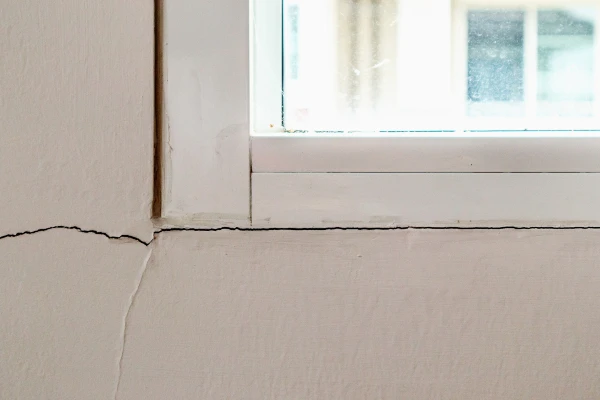
- Cracks in walls, especially near doors or windows
- Uneven floors or sudden changes in elevation
- Sticking doors or windows
- Gaps between your home and the ground
These clues suggest that your foundation has been subjected to shifting soil pressures. PowerLift Foundation Repair has observed these patterns in homes across Oklahoma, North Carolina, Tennessee, Arkansas, Arizona, and other regions where rainfall and drought often take turns leading the forecast. where rainfall and drought often take turns leading the forecast.
The Role of Soil Stability
Soil stability is a critical factor in how your foundation performs. When the earth under your home becomes inconsistent due to changing water levels, the support it offers is compromised.
Unstable soil may be the result of:
- Poor drainage
- Tree root intrusion
- High clay content
- Seasonal rainfall patterns
In some cases, stabilization methods may be required to restore balance and prevent future displacement.
Water Level, Humidity, and Foundation Risk
Humidity levels above and below ground influence soil moisture. When the humidity in the air is high, evaporation slows. During dry spells, moisture is pulled from the soil faster, causing it to contract.

That shift in moisture content causes stress on your home’s foundation, especially if the site has not been graded properly. The issue becomes worse when these changes are observed repeatedly across multiple seasons.
Taking Soil Samples to Determine Risk
Professional foundation repair companies often begin with soil samples to determine the underlying problem. These samples help identify:
- The diameter of soil particles
- The soil’s capacity to hold water
- The rate at which it dries
- Whether disintegration of structure is occurring
Testing also reveals how well the soil responds to stress. This kind of data gives experts a foundation for choosing the correct repair method.
Sieve Methods and Clay Content
One common test used during site evaluation is the sieve method. It separates soil particles based on size and identifies how much clay is present. If your soil is made up of more than 30 percent clay particles, it’s likely more reactive during wet-dry cycles.
This information allows for calculated residential foundation repair decisions based on actual conditions rather than guesswork.
Cracks, Displacement, and Foundation Pressure
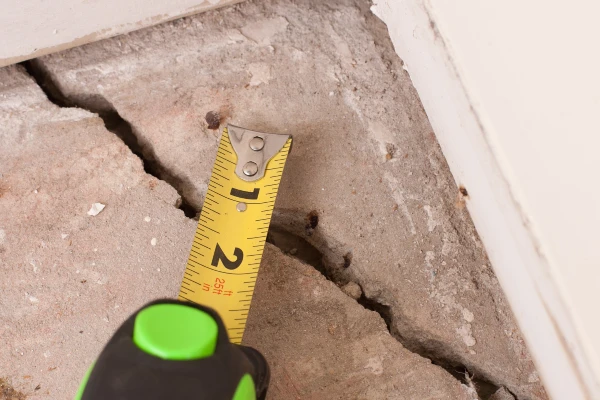
The more cycles your soil goes through, the more pressure builds on the structure. Eventually, cracks may form, walls may shift, and the entire foundation may experience uneven settlement. This displacement causes:
- Structural misalignment
- Plumbing issues
- Gaps between slabs and soil
Each of these symptoms puts your home at further risk and complicates repairs if left untreated.
How Agriculture Connects to Residential Soil Issues
You might not expect agriculture to show up in a conversation about home foundations, but it’s more connected than you’d think. Farming practices nearby can influence soil behavior across a wide area. Repeated soaking for crops or drainage shifts may change how water content is distributed through the land.
Understanding this connection gives homeowners another layer of context when reviewing soil stability and moisture patterns.
Controlling Water Around Your Foundation
Preventing foundation damage starts with controlling water. If water pools near your home, you’re inviting stress. Here are a few control strategies:

- Use gutters and downspouts to direct water away
- Grade soil to slope downward from the house
- Install French drains or similar solutions
These strategies help maintain consistent soil moisture, which reduces expansion and contraction.
The Influence of Climate and Evaporation
Climate shifts bring changes in rainfall and evaporation rates. In drier climates, evaporation occurs faster, leaving the soil air dried and brittle. In wetter climates, slow drying results in prolonged soaking, which can saturate the soil structure.
Both scenarios introduce risk. A foundation subjected to alternating extremes will eventually respond with visible signs of wear.
Foundation Stabilization: When It’s Time to Act
If you’ve noticed signs of damage, it may be time to consider foundation stabilization. PowerLift offers engineered solutions designed to work with your soil type, whether you’re dealing with expansive clay, sandy fill, or anything in between.
Some stabilization techniques include:
- Steel piers
- Helical piers
- Soil injections
- Slab lift systems
Each method is selected based on site conditions, stress level, and observed movement.
Reviewing Site Conditions Before Proceeding
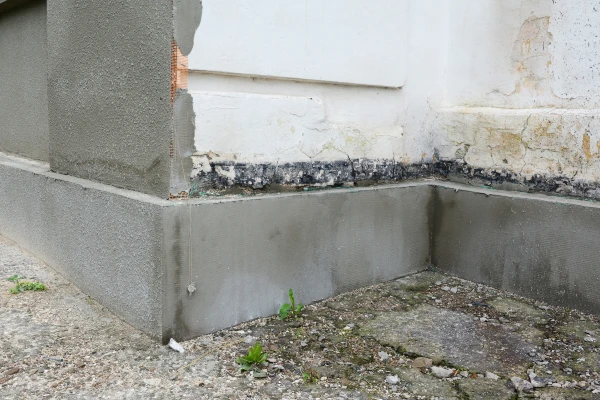
Before proceeding with any repair, a thorough site review is essential. Technicians evaluate:
- Layers of soil and their density
- Historical water content trends
- Pressure points caused by previous repairs
- The connection between past cracks and current displacement
This step helps prevent further issues and ensures repairs last. The goal is to support your foundation based on parameters that match your property, not a one-size-fits-all fix.
Human Activity and Soil Stress
You’d be surprised how much human activity affects soil behavior. Construction nearby, changes in landscaping, and even the removal of large trees can shift soil pressure. These disruptions create changes in how the foundation is supported.
If your home has been exposed to changes like new additions or major grading work, it’s worth having a foundation inspection just to verify the current condition.
Tools Used to Monitor and Verify Movement
To confirm what’s happening under the surface, professionals use a combination of:
- Pressure gauges
- Moisture meters
- Leveling lasers
- Elevation mapping
Each tool helps verify the source of foundation movement, whether caused by evaporation, poor soil structure, or accumulated stress from wet-dry cycles.
Get Ahead of Wet-Dry Cycles and Foundation Issues
Wet-dry cycles aren’t going anywhere, especially in states where the weather can turn quickly, like Oklahoma, Arizona, and North Carolina. That’s why it pays to stay alert to early signs of soil movement, foundation stress, and water-related damage.
If something feels off, don’t wait for it to get worse. PowerLift is here to help you figure out what’s going on and what needs to happen next. Our team uses a combination of physical testing and years of experience to develop solutions that work.
When conditions are verified, and testing confirms the cause, we move forward with a repair formula that is designed for your site. The process considers two factors: current soil condition and future weather exposure. This approach, calculated based on real conditions and expert testing, has significantly reduced long-term foundation problems for our clients even as moisture levels continue decreasing in many regions.
Waiting is what causes damage to grow. Book your inspection today and let PowerLift help you get ahead of foundation trouble.
PowerLift’s in-house team of engineers, soil experts, and repair specialists work together to develop strategies that match real conditions on real properties. You don’t just get a repair. You get a plan that fits.
Don’t Wait for Small Shifts to Become Big Problems
Your home is only as stable as the ground it stands on. And when the soil can’t be trusted to stay still, it’s time to act. Whether you’ve spotted early cracks or just want peace of mind before the next weather swing, PowerLift Foundation Repair is here to help you take control before damage spreads.
Book your inspection by giving us a call at 1-800-562-5438 or contact us for a free quote, and let’s build a solid foundation for what comes next.