

Tree roots, foundation damage, and the long-term effects they have on homes are topics that many homeowners overlook until the warning signs show up. Offending trees in the yard may seem harmless, but their roots can spread beneath the ground and quietly weaken the structural integrity of a house. The surrounding vegetation in a landscape often plays a bigger role than expected, affecting how soil shifts and how stable the foundation remains.
This blog will explain how roots cause problems, what signs to watch for, and what can be done to protect a home. Powerlift Foundation Repair works with homeowners across several states to address these issues and keep foundations secure.
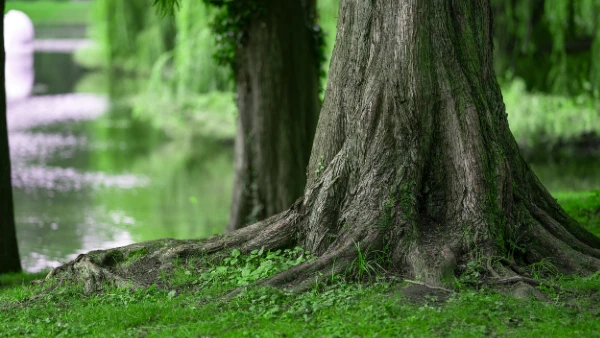
The Relationship Between Tree Roots and Your Home’s Foundation
Roots change what’s happening beneath the surface. They grow in search of moisture and oxygen, and those two things are often found right along the edge of a home’s foundation. This is especially true in areas with expansive clay soil, like many parts of Arkansas, Oklahoma, and North Carolina.
As roots draw water from the surrounding soil around the foundation, the ground begins to shrink and settle. When the moisture level is uneven on different sides of the house, the structure no longer sits evenly. That’s when stress cracks form and everything starts to shift. Arizona has a different issue entirely, with arid conditions making the ground so dry that any moisture near a home becomes a magnet for root systems.
It’s not that roots directly crush concrete. Instead, they cause foundation settlement by altering the soil surface beneath foundation footings. The shifting ground then leads to structural damage, and that movement is where all the foundation damage begins.
What Does Tree Root Damage Look Like?
The early signs usually fly under the radar. For example: a door sticking a little, cracks appearing in a corner of a window frame, or the floor starts to feel slightly uneven. These things don’t always scream foundation trouble at first. But in areas where trees grow close to homes, these symptoms can mean something much more serious.
In wetter climates like Tennessee or North Carolina, small drywall cracks can show up near the ceiling or baseboards. Over time, they spread diagonally and start to open wider. In Arizona, the opposite happens. The soil pulls away from the slab, and gaps appear between the dirt and the foundation. That kind of visible separation is often a sign that tree root damage is already affecting the home’s foundation.
Other signs include bricks cracking in a stair-step pattern, chimneys leaning to one side, or the entire house feeling slightly tilted. Driveways and sidewalks may also crack from nearby root growth. These may sound like slow changes, but once they start, they usually keep going unless something is done.
Which Trees Are the Biggest Threat?
Not all trees pose the same risk to a home’s foundation. Some tree species have aggressive root systems that stretch far and wide. Others grow deeper, but still pull large amounts of water from the surrounding soil.
Here’s a look at a few common ones that homeowners should be cautious about:
1. Poplars and Willows
These are fast-growing and extremely thirsty. Their extensive root systems stretch far beyond the tree’s canopy, always in search of moisture. It’s not uncommon for them to invade underground sewer lines, plumbing systems, and yes, the soil right up against a foundation.
In North Carolina and Tennessee, where rainfall is common, these trees grow fast and spread fast, making them even more of a threat.

2. Oaks
Oaks are known for their deep and wide roots. While they don’t grow as fast as poplars, the size and reach of their root systems are enough to cause issues, especially in clay-rich soils. An oak might seem far enough away, but its roots could still be causing damage to the foundation years down the line.
3. Maples and Ash Trees
Maples and ash trees (especially silver maples and Norway maples) have shallow roots that stay close to the soil surface. These invasive roots are notorious for disturbing sidewalks, driveways, and foundation slabs. In urban neighborhoods, they are often planted in small yards, which only increases the risk.
4. Pine Trees
Pine trees often surprise homeowners. They don’t always seem like a problem, but their roots are shallow and tend to grow horizontally. In dry regions like Arizona, they can dry out soil faster than expected, and that moisture loss affects nearby structures.
How Root Growth Is Affected by Yard Conditions
Roots grow toward moisture, and they grow more aggressively when conditions make it harder to find that moisture. In areas that get the most sunlight, evaporation is higher, and roots have to work harder to keep the tree hydrated. This drives root growth closer to homes.
In sandy or loose soils, roots spread wider and faster. In compacted clay, they grow closer to the surface, staying near the moist top layers. Poor drainage or improper grading can make certain parts of the yard wetter than others, drawing roots toward the home’s foundation. Add in inconsistent watering or dry spells, and those roots become even more determined to find the nearest source of moisture.
Even the position of downspouts and sprinklers can affect how roots grow. If the area near the house stays damp longer than the rest of the yard, roots are going to make their way there.
Warning Signs of Foundation Problems Caused by Tree Roots
Some signs are subtle, while others can be quite alarming. Knowing what to look for can save time, money, and headaches. Here are the most common indicators:
1. Doors and Windows Stick or Don’t Close Properly
This is one of the first signs people notice. If a window that always opened just fine now gets stuck halfway, or a door rubs at the top or bottom, it could mean that part of the house is settling differently than the rest.
2. Cracks in the Walls or Floors
Hairline cracks often grow over time. In brick, they might follow a stair-step pattern. In drywall, they usually show up diagonally from the corners. Any widening crack is worth keeping an eye on, especially near windows and doors.

3. Sloping or Uneven Floors
Floors should feel level. If one part dips or feels like it has a slope, that could mean the foundation is settling unevenly. This is more common in older buildings, but it shouldn’t be ignored in newer ones either.
4. Gaps Between the Floor and Baseboards
As the foundation shifts, walls can pull away from the floor. This leaves noticeable gaps at the baseboards. Some homeowners spot this while cleaning or replacing flooring.
5. Soil Pulling Away from the Foundation
If the soil seems to be shrinking or separating from the edge of the house, that could be due to tree roots drawing out moisture. It’s a clear sign that the balance in the soil’s water content has been disrupted.
6. Exposed Roots Near the Foundation
Seeing large roots close to the home is a strong indication that the root system is well developed and could be affecting the foundation. This is especially true if cracks or settling are happening in that same affected area.
Preventive Measures to Keep Tree Roots From Damaging Your Foundation
Once root-related foundation problems start, fixing them can lead to costly repairs. That’s why prevention is ideal. There are a few reliable ways to keep roots from becoming a serious threat, including the following:
1. Install Root Barriers
Root barriers are physical barriers placed underground between the tree and the foundation. These can be made of heavy plastic or other tough materials, and they go down several feet into the soil. They work by redirecting root growth away from the foundation.
In homes with existing trees close to the house, this can be a great long-term solution. The earlier they’re installed, the more effective they are. They’re especially useful in areas with aggressive tree species or in regions with unpredictable soil moisture.

2. Use Root Pruning
Root pruning is the process of trimming roots that are growing too close to the home. This needs to be done carefully. Cutting too many roots or cutting the wrong ones can weaken or kill the tree. A professional arborist can help identify which roots can be pruned without putting the tree or the home at risk.
This method works best when combined with other strategies, like barriers or improved drainage. It’s not a one-and-done solution, but it can slow root growth in problem areas.
3. Follow Smart Planting Tips
A lot of future foundation issues can be avoided by planting smart in the first place. Homeowners should plant trees far enough from the house so their roots don’t reach the foundation. A good rule of thumb is to plant a tree as many feet away from the home as the tree’s expected mature height.
Other smart tips include:
- Choose species with less aggressive root systems.
- Talk to a local nursery or landscaper about which trees are safe to plant near homes in your area.
- Consider the full extent of growth and how the root system could impact driveways, sidewalks, or other plants like grass and shrubs.
- Always think long-term. A tiny sapling today might be one of those large trees in twenty years.
When Is Tree Removal Necessary?
Sometimes the best option is to take the tree out entirely. This isn’t a decision to make lightly. Tree removal can be expensive, and it often changes the look and feel of a yard. But if a tree is causing significant damage or is too close to the house to manage safely, removal might be the only way to stop further damage.
When to Call the Foundation Pros
If there are visible cracks in the walls, sloping floors, doors that won’t shut properly, signs that roots are too close, or visible damage on your foundation, it’s time to call someone who’s familiar with the foundation repair process.
PowerLift Foundation Repair has years of experience working in areas like Oklahoma, North Carolina, Arizona, Tennessee, and Arkansas. We understand how the local soil behaves, which tree species are the biggest offenders, and what solutions work best for each type of foundation. We can assess the damage, recommend the right repair method, and help prevent future issues. That kind of knowledge saves homeowners time, stress, and repair costs in the long run.
Protect Your Foundation Before Roots Take Over

Root damage doesn’t happen overnight, but it can lead to serious damage if left alone. As roots spread through the soil, they can shift the ground around your foundation and quietly weaken your property over time. Planting new trees without proper planning can add to the problem, especially if the soil is already unstable. Taking action early helps protect your home from the slow effects of nature and limits the risk of erosion that can make everything worse later on.
Want to learn more? Get in touch with the pros today!