Foundation Maintenance

DIY Foundation Inspection: A Step-by-Step Guide

Your home’s foundation is quite literally what everything else rests on, yet most homeowners rarely give it a second thought until something goes wrong. The problem with that approach is that foundation issues tend to get worse over time — and the longer they go unaddressed, the more expensive repairs become. A proactive DIY foundation inspection can help you catch potential problems early, protect your property, and save you significant money before small cracks turn into structural issues that demand costly professional intervention.

At Power Lift Foundation Repair, we’ve seen firsthand how small warning signs can develop into major structural problems when left unchecked. While routine inspections can help you stay ahead of trouble, some issues require the trained eye of experienced professionals. Our team is here to evaluate concerns, provide honest recommendations, and deliver reliable solutions when your home needs more than a DIY approach.

In this blog, we’ll walk you through exactly how to inspect your home’s foundation, what to look for, and when it’s time to call in our team for professional help.

diy foundation inspection

Why DIY Foundation Inspections Matter

A typical foundation inspection performed by a professional can cost anywhere from $300 to $1,000 or more. While a professional foundation inspection is absolutely worth it when you suspect serious damage, most homeowners can learn to spot the early warning signs of foundation problems on their own — and doing so regularly is one of the smartest things you can do as a property owner.

Foundation damage rarely appears overnight. It develops gradually through soil movement, water damage, settling, poor drainage, and the natural aging of materials like poured concrete or concrete slab systems. By walking your home’s interior and exterior with a critical eye a couple of times per year, you give yourself the best chance of catching concern areas early, before they escalate into expensive repairs.

What You’ll Need Before You Begin

You don’t need specialized equipment to conduct a solid DIY home inspection checklist walkthrough. Gather the following before you start:

  • A flashlight or headlamp
  • A level (even a small torpedo level works)
  • A tape measure
  • A notepad or phone to note observations and take photos
  • A screwdriver or probe for testing wood integrity in crawl spaces
  • Safety gear including gloves and a dust mask if you’ll access a basement or crawl space

Once you have your tools, you’re ready to begin.

Step 1: Start with the Exterior

a variety of DIY equipment for conducting home foundation inspections

Walk the full perimeter of your house slowly and methodically. You’re looking for visible signs of movement, cracking, or shifting in the exterior walls and foundation walls themselves.

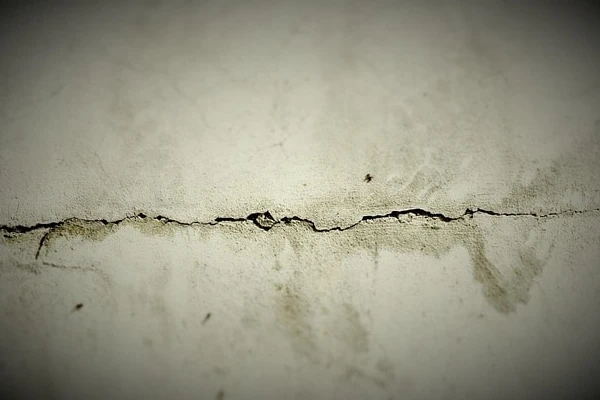
  1. Cracks in the foundation and exterior walls are your first major area of focus. Not all cracks are created equal. Vertical cracks that run straight up and down are often the result of normal concrete curing and settling, and while they should be monitored, they’re typically less alarming on their own. Horizontal cracks, on the other hand, are a more serious sign. They often indicate lateral pressure from soil pushing against your foundation walls, which can point to genuine structural issues that need to be addressed quickly. Stair-step cracks — those that follow the mortar joints diagonally — are another red flag, particularly in brick or block foundations.
  1. Note the width of any cracks you find. Small cracks under 1/8 inch may simply be cosmetic, but anything wider than 1/4 inch warrants a closer look from a professional.
  2. Gaps between walls and other elements — such as gaps where the foundation meets the sill plate, or gaps appearing around window frames and door frames — can also be evidence of foundation movement. If you notice gaps that seem to have appeared recently or have grown, that’s a sign worth investigating further.
  3. Assess your grading and drainage. Walk around and observe whether the ground slopes toward or away from your house. Ideally, the soil should slope downward away from your home so that water drains away from the foundation. Poor drainage is one of the leading contributors to foundation damage over time. While you’re at it, check your gutters. Clogged or broken gutters can direct large volumes of water directly against your foundation, accelerating deterioration.
prevent further damage and expensive repairs
  1. Look for leaning chimneys. Leaning chimneys are sometimes overlooked but can be a sign of foundation settling or shifting on one side of the house. If your chimney appears to be pulling away from the structure or leaning noticeably, make a note of it.

Step 2: Move Inside — Main Living Areas

Once you’ve completed your exterior walkthrough, head inside. You’ll want to cover every main floor room as well as any upper floors.

  1. Check your floors first. Uneven floors, sloping floors, and sagging floors are all potential signs of foundation problems. You can use your level here to get a more objective read on whether floors are noticeably off-level. A small amount of variation is normal in older homes, but significant slopes — particularly ones that have gotten worse over time — deserve attention.
  2. Test your windows and doors. Sticking windows and doors that no longer open or close properly are a classic sign that your home’s structure has shifted. When a foundation moves, it puts stress on the frame of the house, which causes door frames and window frames to fall out of square. If you notice multiple doors or windows throughout the house that suddenly stick or have gaps around them, that pattern is more concerning than a single sticking door that could be explained by humidity alone.
  3. Inspect walls and ceilings. Look for cracks running along your interior walls or ceiling. Pay particular attention to diagonal cracks that radiate from the corners of windows and doors — these often point to foundation movement.
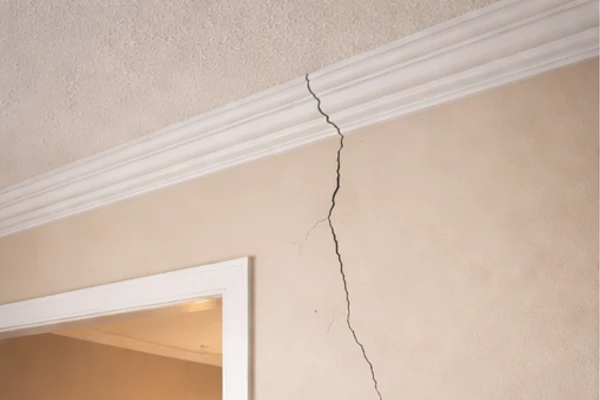
visible cracks on walls and ceilings

Also, look for places where the wall meets the ceiling and check for any separation or bowing.

  1. Watch for signs of water damage and mold. Water stains on walls or floors, mold growth in corners, and musty odors can all indicate that moisture is getting in somewhere it shouldn’t — often through cracks or gaps in the foundation. Mold doesn’t just signal a moisture problem; it can also point to ongoing foundation damage that’s allowing water to penetrate your home.

Step 3: Inspect the Basement or Crawl Space

If your home has a basement or crawl space, this is often where foundation problems first become visible, so don’t skip this step even if access is inconvenient.

  1. In the basement, look closely at the foundation walls for horizontal cracks, vertical cracks, or any bowing or bulging. Run your hand along the wall — efflorescence (a white chalky residue) is evidence that water has been pushing through the concrete, even if the wall feels dry at the moment. Check for any evidence of water pooling on the floor or staining along the base of the walls.
  2. In a crawl space, you’re looking for similar signs: cracks in the foundation walls, signs of water damage or standing water, wood rot, mold, and any areas where the structure above seems to be settling or sagging. Bring your flashlight and probe any wooden beams or supports that look soft or discolored — wood rot in a crawl space can compromise structural integrity significantly.
  3. Also take note of your plumbing while you’re down there. Cracked or shifted pipes can sometimes be a secondary sign of foundation movement, particularly if sections of plumbing that were once properly aligned have shifted out of position.
man examines cracks in a basement

Step 4: Use Your Foundation Inspection Checklist

As you move through each area of your home, it helps to have a foundation inspection checklist to keep you organized and ensure you don’t miss anything. Here’s a quick reference:

  1. Exterior checklist: visible cracks in foundation walls, gaps around windows and doors, soil grading and drainage, gutter condition, leaning chimneys, separation between foundation and siding.
  2. Interior checklist: uneven or sloping floors, sticking windows and doors, cracks in interior walls and ceilings, signs of water damage or mold, gaps at wall and ceiling junctions.
  3. Basement/crawl space checklist: horizontal cracks and vertical cracks in walls, bowing or bulging foundation walls, efflorescence or moisture staining, wood rot or mold, plumbing alignment.
  4. Document everything with photos. Even if something doesn’t seem like a major concern right now, having a photographic record makes it much easier to assess whether the issue has worsened the next time you inspect.
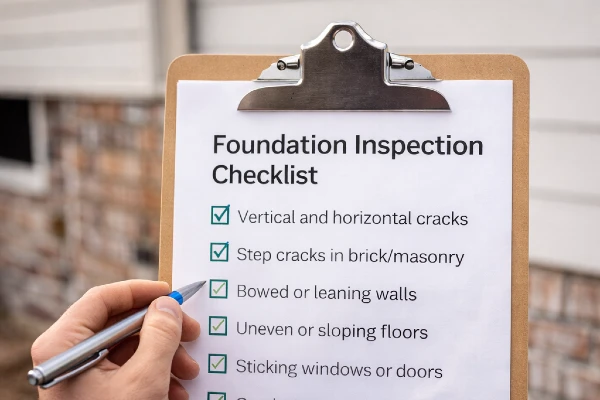
secure a foundation inspection checklist

Step 5: Know When to Call a Professional

A DIY foundation inspection is a valuable tool, but it has limits. There are certain signs of foundation problems that should prompt you to contact a professional foundation inspector without delay.

Call a professional if you notice horizontal cracks in your foundation walls, significant bowing or bulging, multiple doors and windows that stick or have gaps, sagging or severely sloping floors, or any crack that is growing over time. A detailed report from a qualified home inspector or structural engineer will give you a clear picture of your foundation’s condition and what — if any — foundation repairs are needed.

Some foundation repair companies offer a free inspection, which can be a worthwhile starting point if you’ve spotted potential foundation problems but aren’t yet sure of their severity. Keep in mind that a free inspection from a repair contractor is not the same as an independent evaluation, so for significant concerns, an independent structural engineer’s assessment is worth the investment.

Waiting rarely makes foundation issues cheaper. If potential issues are identified early, your repair options are typically less invasive and less expensive. Catching a small crack before it becomes a structural problem could save you tens of thousands of dollars in foundation repairs down the line.

Stay Ahead of Foundation Problems

woman home foundation repair service

Making DIY foundation inspections part of your regular home maintenance routine — ideally twice a year, in spring and fall — puts you in a much stronger position as a homeowner. You’ll know your home’s foundation better than anyone, which means you’ll notice changes faster. Pair your inspections with good habits like keeping gutters clean, managing drainage around the perimeter of your house, and maintaining appropriate soil moisture levels during dry seasons.

At Power Lift Foundation Repair, we encourage homeowners to stay proactive, but we also know that some warning signs require professional evaluation. Your foundation is the most important structural element of your home, and taking a few hours each year to inspect it carefully isn’t just smart maintenance — it’s one of the best investments you can make in protecting the long-term value and safety of your property.

If you notice cracks, uneven floors, sticking doors, or other signs of foundation movement, don’t wait for the problem to get worse.

Contact us today for a professional assessment and expert solutions you can trust. Our team is here to help protect your home from the ground up.


craftsman home with strong foundation
DIY Foundation Inspection: A Step-by-Step Guide2026-02-27T07:29:52-06:00

Regular Checks for Home Foundation Health You Can’t Ignore

Your home’s foundation is the cornerstone of your property’s structural integrity, silently bearing the weight of your entire building while protecting your valuable home from the ground up. Yet many Oklahoma homeowners overlook this essential component until visible signs of trouble emerge. Regular checks for home foundation health aren’t just recommended—they’re absolutely critical for preventing expensive repairs and maintaining your home’s stability for years to come.

Foundation problems don’t announce themselves with fanfare. They develop gradually through soil movement, water intrusion, and weather conditions unique to our region. By the time most homeowners notice sticking doors or cracked walls, the underlying foundation issues may have progressed significantly. That’s why establishing a routine inspection checklist can save you from costly repairs down the road.

At Powerlift Foundation Repair OKC, we’ve seen firsthand how regular foundation inspections catch small cracks before they become structural damage.

Regular Checks for Home Foundation Health You Can’t Ignore

Whether you have pier and beam foundations or poured concrete, understanding what to look for and when to seek a professional assessment can make all the difference. This guide will walk you through everything Oklahoma homeowners need to know about protecting their home’s structure from potential damage, ensuring your foundation remains solid and secure.

Why Regular Foundation Checks Matter

The foundation of your house does more than just hold up walls and floors—it’s the barrier between your living space and the surrounding soil below. When foundation concerns go unaddressed, the consequences extend far beyond cosmetic issues. Foundation damage can compromise your entire home’s stability, leading to problems with doors and windows, uneven floors, and even roof leaks as the structure shifts.

Statistics show that foundation repair costs can range from a few thousand dollars for minor fixes to over $50,000 for severe structural issues. The difference? Early detection through regular inspections. A foundation repair professional can spot warning signs that untrained eyes miss, potentially saving homeowners tens of thousands in future repairs.

Oklahoma’s unique climate presents specific challenges for foundations. Our soil composition, combined with dramatic temperature swings and moisture fluctuations, creates an environment where foundation problems can develop rapidly. Clay soils expand when wet and contract during dry periods, creating constant pressure on foundation walls. This cyclical movement makes regular foundation inspections even more essential for protecting your property.

Common Causes of Foundation Problems

house foundation evaluation

Understanding what threatens your home’s foundation helps you stay vigilant during your checks. Foundation issues rarely have a single cause—they typically result from a combination of factors working together over time.

Soil Movement and Erosion

The ground beneath your building isn’t as stable as it appears. Soil movement ranks among the top causes of foundation damage across our service area. When soil expands from moisture absorption or contracts during drought, it exerts tremendous pressure on foundation walls and can lead to bowing walls or horizontal cracks. Erosion from poor grading removes support from beneath the foundation, creating voids that allow settling and structural damage.

Water Damage and Poor Drainage

Water intrusion presents one of the most serious threats to foundation health. When water pools around your foundation due to inadequate drainage, it saturates the surrounding soil, increasing hydrostatic pressure against foundation walls. This pressure can force water through tiny cracks, which then freeze and expand during winter, making small cracks much larger. Standing water in your crawl space or basement indicates drainage problems that need immediate attention to prevent further damage to your home’s structure.

How Often Should You Perform Foundation Checks?

Establishing a regular schedule for foundation inspections helps you catch potential issues before they escalate. For most Oklahoma homeowners, we recommend a three-tiered approach to monitoring your home’s foundation.

Monthly visual inspections should become part of your routine home maintenance. These quick walkthroughs take just 15-20 minutes and focus on spotting visible signs of change—new cracks in walls or floors, doors that suddenly stick, or gaps appearing around door frames and windows. Pay special attention after heavy rain or during extreme weather conditions.

Quarterly deep checks involve a more thorough evaluation of your foundation’s condition. Set aside an hour to examine your crawl space, basement, or foundation perimeter. Look for peeling wallpaper, sagging floors, cracked walls, or loose pipe fittings. Document your findings with photos to track changes over time. This regular documentation helps a foundation repair professional understand how quickly problems are developing.

foundation inspections

Annual professional inspections provide peace of mind and expert eyes on potential concerns. A certified foundation inspection checklist covers areas you might overlook and includes structural assessments that require specialized knowledge. For homes over 25 years old, homes with previous foundation repair, or properties in areas with high seismic activity, consider scheduling professional inspections twice yearly.

Seasonal Considerations

Oklahoma’s dramatic seasonal changes demand adjusted vigilance. Spring brings heavy rainfall that can overwhelm drainage systems, while summer’s heat causes soil to contract and pull away from foundations. Fall requires checking that gutters are clear before winter weather arrives, and winter freezes can worsen existing foundation concerns. After severe weather events—tornadoes, ice storms, or flooding—schedule an immediate exterior inspection regardless of your regular timeline.

Step-by-Step Guide to DIY Foundation Checks

Regular foundation inspections don’t require professional expertise for the initial evaluation. Here’s how to conduct thorough evaluations of your home’s foundation yourself.

Start outside by walking the perimeter of your building. Look at the foundation walls from ground level, checking for visible cracks wider than a quarter inch. Note whether cracks are vertical, horizontal, or diagonal—horizontal cracks often indicate more serious structural issues. Check that the ground slopes away from your foundation rather than toward it, and look for areas where soil has eroded or settled.

Move inside and examine your interior walls and floors. Walk through each room, feeling for soft spots or sagging floors. Open and close every door and window—sticking doors or windows that won’t close properly often signal foundation movement. Inspect corners where walls meet ceilings for gaps or separation. In rooms with tile or hardwood, look for cracks or separating seams.

Don’t forget below-grade spaces. If you have a crawl space, carefully enter with a flashlight and examine support beams for signs of moisture damage, rot, or displacement. Look for standing water or high humidity, both indicators of drainage problems. For pier and beam foundations, check that piers remain level and intact, with no signs of settling or shifting.

Visual Inspection Checklist

Creating a systematic approach ensures you don’t miss critical warning signs. Your inspection checklist should include examining foundation walls for cracks, bulging, or bowing; checking for gaps between walls and floors or ceilings; looking for cracked or separated brick or stone veneer; inspecting basement or crawl space for moisture, mold, or standing water; testing doors and windows for proper operation; examining floors for slopes, cracks, or separation; and noting any new cracks in interior sheetrock or plaster.

Tools for Accurate Checks

You don’t need expensive equipment for effective foundation inspections. A good flashlight helps illuminate dark crawl spaces and foundation corners. A level identifies whether floors or surfaces have shifted. Measuring tape documents crack widths and tracks changes over time. A camera or smartphone captures images for comparison during future inspections. A moisture meter detects hidden water intrusion in walls or floors. For around $50, you can assemble a basic foundation inspection toolkit that serves you for years.

a man holding a house foundation checklist

Key Signs Your Foundation Needs Professional Attention

While regular inspections help you monitor your foundation, certain warning signs demand immediate professional assessment. Don’t wait on these red flags—contact Powerlift Foundation Repair OKC as soon as you notice them.

Horizontal cracks in foundation walls indicate serious pressure from surrounding soil and often precede wall failure. Bowing walls that curve inward suggest the foundation is losing its battle with soil pressure. Doors and windows that stick in multiple locations throughout the house signal widespread foundation movement. Uneven floors that slope more than one inch over 20 feet exceed normal settling and require structural evaluation.

Large or growing cracks deserve professional inspection even if they don’t seem immediately threatening. A crack that started hairline-thin but now accommodates a dime has progressed beyond minor settling. Multiple small cracks appearing in a pattern often indicate underlying foundation concerns. Stair-step cracks in brick or block walls reveal foundation rotation or settling.

Water-related signs like dampness on foundation walls, efflorescence (white mineral deposits), or a musty smell in basements mean moisture is penetrating your foundation. This water intrusion will worsen foundation damage if not addressed. Gaps around door frames, separating molding, or cracks where walls meet ceilings all point to potential issues with your home’s foundation that merit expert evaluation.

Preventive Maintenance Tips for Foundation Health

The best foundation repair is the one you never need. Proactive home maintenance dramatically reduces the likelihood of foundation problems developing in the first place.

Improving Home Drainage

Water management is absolutely essential for foundation health. Ensure gutters and downspouts direct water at least 10 feet away from your foundation. Clean gutters twice yearly to prevent overflow that saturates soil near walls. Grade your yard so it slopes away from the house—the ground should drop at least six inches over the first 10 feet. Install French drains or foundation drains if your property naturally collects water near the building.

Landscaping Best Practices

Your landscaping choices impact your foundation more than you might realize. Plant trees and large shrubs at least 20 feet from your foundation—root systems can damage foundations and steal moisture from soil, causing contraction. Water your foundation during drought conditions to maintain consistent soil moisture and prevent excessive shrinkage. Use soaker hoses placed 12-18 inches from the foundation, running them during dry spells to keep soil from pulling away from walls. Avoid piling mulch or soil against foundation walls, which traps moisture and can lead to water damage.

When to Hire a Foundation Professional

DIY inspections are valuable, but they don’t replace professional expertise. Knowing when to call in foundation repair specialists protects your investment and ensures accurate diagnosis of structural damage.

beautiful house landscape

Schedule a professional inspection if you’re buying or selling a home—a thorough evaluation protects both parties and provides negotiating information. If you’ve completed DIY checks and found concerning signs but aren’t sure of their severity, a foundation repair professional can assess whether immediate repairs are needed or if monitoring is sufficient. Any rapid changes in your foundation—new cracks appearing within weeks, doors that suddenly stick, or floors developing noticeable slopes—warrant urgent professional assessment.

Professional foundation inspections typically cost between $300 and $800, depending on your home’s size and the thoroughness of the evaluation. This investment includes detailed measurements, moisture testing, structural analysis, and a written report outlining any foundation issues discovered. Many foundation repair companies, including Powerlift Foundation Repair OKC, offer free estimates, making it easy to get expert eyes on potential damage without upfront costs.

Foundation repair costs vary widely based on the extent of damage and the repair method required. Minor crack repairs might cost a few hundred dollars, while comprehensive foundation stabilization using steel piers can range from $5,000 to $15,000 or more. However, these expenses pale compared to the costly repairs needed when foundation problems progress unchecked—complete foundation replacement can exceed $50,000.

Frequently Asked Questions

What are the first signs of foundation problems?

The earliest warning signs of foundation damage often appear subtle. Watch out for doors and windows that stick or won’t close properly, small cracks appearing in interior walls or ceilings, gaps developing between walls and floors, or minor cracks in exterior brick or foundation walls. You might also notice floors that feel slightly uneven or bouncy. These signs don’t always indicate serious foundation issues, but they warrant closer inspection and monitoring to catch potential problems early.

How much does a foundation inspection cost?

Professional foun dation inspections typically range from $300 to $800 for most residential properties. The cost varies based on your home’s size, foundation type, and the inspection’s comprehensiveness. However, many foundation repair companies offer free inspections or estimates, particularly if you’re considering repair work. At Powerlift Foundation Repair OKC, we provide free estimates to help Oklahoma homeowners understand their foundation’s condition without financial commitment.

Can I fix small cracks myself?

Minor cosmetic cracks in concrete foundations—those narrower than 1/8 inch and not growing—can often be addressed with DIY repair kits using epoxy or polyurethane injection. However, cracks wider than 1/4 inch, horizontal cracks, or cracks that continue growing signal structural issues requiring professional attention. Even if you repair a small crack yourself, monitor it closely. If it reopens or worsens, contact a foundation repair professional for proper evaluation and repair.

How do I check foundation in wet climates?

In high-humidity areas, focus on moisture management during inspections. Check for standing water around your foundation or in crawl spaces after rain. Look for water stains on foundation walls, efflorescence, or musty odors indicating water intrusion. Inspect drainage systems, gutters, and grading to ensure water moves away from your foundation. Use a moisture meter to check foundation walls and floors for hidden dampness. Consider installing a dehumidifier in basements or crawl spaces to control humidity levels.

What’s the average lifespan of a home foundation?

Properly constructed and maintained foundations can last the lifetime of your house—100 years or more. Poured concrete foundations typically outlast other types when properly installed and protected from moisture. Pier and beam foundations require more regular maintenance but can also provide decades of reliable service. The key to longevity is addressing problems early, maintaining proper drainage, and conducting regular inspections to catch small issues before they become major structural concerns.

Does homeowners insurance cover foundation issues?

Standard homeowners insurance typically doesn’t cover foundation damage from settling, soil movement, or maintenance issues. However, insurance may cover foundation damage caused by sudden events like burst pipes, earthquakes (if you have earthquake coverage), or other covered perils. Review your policy carefully and discuss foundation coverage with your insurance agent. Some insurers offer optional coverage for foundation problems, though it usually comes with significant deductibles and limitations.

Take Control of Your Home’s Foundation Health

Your home’s foundation deserves the same attention you give to other essential components of your property. Regular checks for home foundation health—monthly visual inspections, quarterly deep evaluations, and annual professional assessments—form the foundation of a solid preventive maintenance strategy. These routine examinations help you catch warning signs early, when repairs remain manageable and affordable rather than allowing problems to escalate into expensive emergencies.

Remember that foundation concerns won’t resolve themselves. Small cracks widen, minor settling progresses, and water damage worsens over time. The good news? You now have the knowledge to monitor your foundation effectively and recognize when professional help is needed. Start your foundation health routine today by conducting a thorough inspection using the checklist provided in this guide.

If you discover potential issues or simply want expert peace of mind, contact Powerlift Foundation Repair OKC for a free estimate.

luxury house at a sunny day

Our foundation repair professionals bring decades of experience to every inspection, utilizing advanced techniques and the industry-leading Powerlift system to protect your valuable home. Don’t wait until sticking doors or cracked walls force your hand—take control of your home’s stability now. Call us at 800-562-5438 for more information and schedule your professional foundation inspection today.

Regular Checks for Home Foundation Health You Can’t Ignore2026-01-26T09:13:22-06:00

Why Waterproofing Matters for Your Foundation: Protect Your Home Today

Trying to pick the right garage door for your home can feel like a bigger decision than you’d expect. Do you go bold and modern, or stick with something classic and reliable? That’s what makes the question of glass garage doors vs. traditional materials so interesting. Each has its own personality, its own strengths, and its own way of changing how your home looks and feels. The benefits of glass garage doors are hard to ignore: they bring in light, style, and a modern vibe. On the flip side, traditional options offer comfort, privacy, and durability that many homeowners love.

At The Garage Door Company here in Edmond, we see both sides every day, and this guide will break it all down so you can figure out which direction makes sense for your home.

Why Waterproofing Matters for Your Foundation

How Are Glass Garage Doors Different From Traditional Garage Doors?

Glass garage doors are made with tempered or laminated glass panels, usually framed in aluminum or steel. These panels can be clear, mirrored, opaque, frosted, or tinted glass. Some versions even self-tint depending on the sunlight. Traditional-style garage doors, on the other hand, are usually made from wood, steel, vinyl, or composite materials. They don’t let in natural light like glass does, but they’ve got their own strengths, especially when it comes to insulation and privacy.

Residential glass garage doors offer more than just a modern look; they turn garages into usable, welcoming spaces. They work great in commercial spaces, too, especially where clean lines and visual impact matter. Compared to traditional materials, glass garage doors offer style and light but often come with a higher cost, especially if you’re opting for insulated glass or laminated glass. The final cost can also go up depending on the frame colors, glass type, and garage door material.

Get a Traditional Garage Door If…

Water may look harmless, but when it seeps into foundation walls or basement walls, it sets off a chain of problems. Concrete foundations are durable, but they aren’t invincible. Water penetration can cause cracks, weaken materials, and even lead to structural issues across the entire building.

Moisture infiltration is sneaky. Several factors, such as soil conditions, climate, and drainage, can contribute to water finding its way into the foundation. It can happen through tiny cracks, around poorly sealed basement windows, or when drainage systems fail to divert water away from your home. Over time, the water pressure around your building’s foundation—known as hydrostatic pressure—can push moisture through even the smallest openings. Left untreated, this can lead to structural damage, mold growth, and eventually expensive repairs.

concrete foundation walls are being exposed to water during rainy season

Why Waterproofing Matters for Your Foundation

Foundation waterproofing is not just about keeping a wet basement dry. It plays a significant role in preventing mold growth, protecting the value of your property, and maintaining a healthier living environment.

A waterproof foundation helps with:

  • Structural integrity: Keeping water away helps prevent cracks and weakening of foundation walls.
  • Indoor air quality: Reducing moisture levels means less risk of mold and mildew growth that can trigger respiratory issues.
  • Home maintenance: Waterproofing systems reduce the need for constant patchwork repairs.
  • Property value: A stable foundation and dry basement are big selling points for potential buyers.

Waterproofing matters because it directly impacts the long-term stability of your home’s foundation and the safety of everyone living inside. Protecting your home’s foundation from water infiltration is essential to prevent costly damage and ensure the overall durability of your property.

Common Signs of Water Problems

Before water damage creates significant problems, there are usually warning signs that homeowners can spot. Here are some red flags to watch for:

  • Damp or musty smells in the basement or crawl space
  • Mold and mildew growth on walls or around doors
  • Water stains or peeling paint on the basement walls
  • Small cracks that keep getting bigger in the foundation
  • Standing water around the home after heavy rain
  • Frost or condensation inside basement windows during winter
  • Uneven floors or doors that no longer close properly

These might seem like small inconveniences, but they often point to water infiltration that could eventually lead to structural damage.

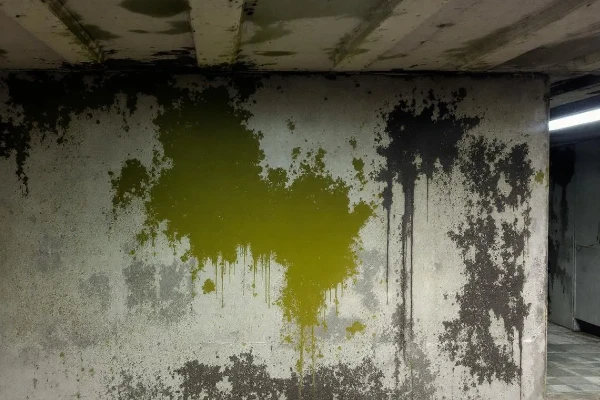
Mold and mildew growth visible on the walls

The Role of Proper Waterproofing Systems

There are several waterproofing solutions available, and the right approach depends on the root cause of the problem. A good system acts as a protective barrier that keeps water from getting into your home’s foundation in the first place. Selecting an effective solution is crucial for ensuring long-term protection against water damage.

Some of the most effective options include:

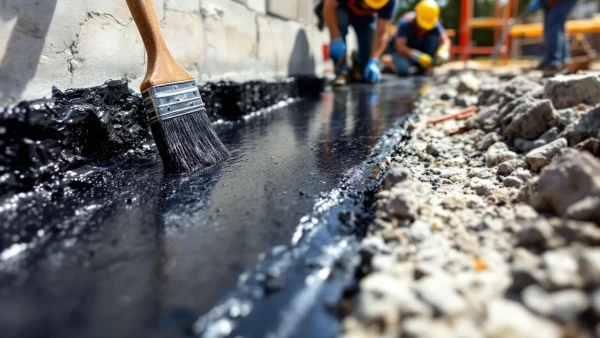
  • Exterior waterproofing membrane: Applied directly to the outside of foundation walls, this creates a shield that stops water from seeping into concrete.
  • French drains and drainage systems: Designed to divert water away from the foundation, reducing hydrostatic pressure and moisture intrusion.
  • Interior waterproofing methods: These help manage water that does make it inside, often by directing it to a sump pump.
  • Basement waterproofing coatings: Sealants applied inside basement walls can help reduce water seepage.

When properly installed, these systems work together to reduce water infiltration and protect the building’s foundation from long-term damage.

Drainage Systems: Directing Water Away from Your Home

Effective drainage systems are crucial for managing water around your home and preventing water infiltration into your foundation. French drains and other drainage solutions are designed to divert water away from the building, reducing hydrostatic pressure that can otherwise force moisture through foundation walls. By keeping water at bay, these systems help prevent costly repairs, minimize the risk of mold growth, and support a healthier living environment.

A well-designed drainage system not only protects your foundation but also helps maintain your property value by preventing water-related damage. Investing in proper drainage is a smart way to ensure a stable foundation and safeguard your home against the damaging effects of water. By directing water away from your building, you’re taking an important step in preventing water intrusion and maintaining a safe, dry home.

a close up of a metal object on a wall

The Health Factor: Mold, Mildew, and Air Quality

Moisture intrusion doesn’t just affect concrete. It creates the perfect environment for mold and mildew growth, which can lead to health risks for everyone in the house. Mold spores can circulate through HVAC systems and affect indoor air quality, leading to respiratory issues, allergies, and other health concerns.

Basements and crawl spaces with high moisture levels often have poor ventilation, which makes the problem worse. By waterproofing your foundation, you’re not only protecting the structure but also creating a healthier living environment.

Waterproofing and Repair Costs

Here’s the thing: water damage doesn’t fix itself. Cracks expand, mold spreads, and structural damage gets worse over time. Repair costs grow quickly when problems are ignored. That’s why many homeowners find waterproofing to be a cost-effective option compared to waiting until major repairs are needed.

Think of it this way. Regular maintenance and a good waterproofing solution can help you save money in the long run by reducing the need for costly repairs. It’s much cheaper to prevent water damage now than to repair significant damage later.

Understanding your options and costs, you can make informed decisions about waterproofing and repair, helping you avoid unnecessary expenses.

waterproofing solution

When Waterproofing Meets Foundation Repair

Sometimes waterproofing alone isn’t enough. If water infiltration has already caused foundation damage, the first step is addressing those structural issues. That’s where Powerlift comes in.

We specialize in cracked foundation repair, and we often see how water intrusion is at the root of the problem. Through combining repair services with effective waterproofing systems, we help homeowners restore a solid foundation and prevent the same problems from happening again.

This two-part approach, repairing the damage and stopping future water intrusion, leads to long-term results and a strong and stable foundation you can count on.

Why Homeowners Trust Powerlift

As builders and foundation repair experts, we understand how much is at stake when your foundation is compromised. A wet basement or failing waterproofing system can lead to costly repairs, health risks, and significant damage to the entire structure. That’s why we provide complete foundation waterproofing and repair services designed to protect your house from the ground up.

We don’t just patch the surface. We address the root cause, whether it’s poor drainage, moisture infiltration, or hydrostatic pressure. Our team uses proven methods like French drains, waterproofing membranes, and foundation repair techniques to give you a structurally sound, stable foundation.

Many homeowners put off repairs because they’re worried about costs, but the truth is that acting early almost always saves money in the long run. Plus, a waterproof foundation adds to your property value, making it more appealing to potential buyers.

Powerlift underway

A Few Smart Steps for Homeowners

Even if you’re not ready for a full waterproofing system, there are things you can do around your home to help protect your foundation:

  • Keep gutters clean and in good working order to divert water away from your house.
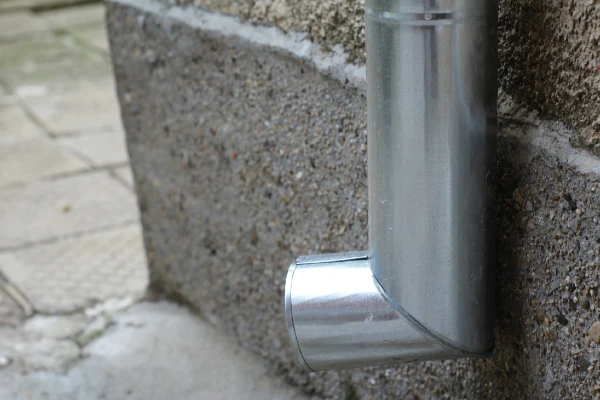
  • Check that downspouts direct water far enough from foundation walls.
  • Slope the ground around your property so water flows away from the building’s foundation.
  • Look for signs of water damage or mold in your basement or crawl space.
  • Schedule regular maintenance with foundation repair professionals.

These small steps, combined with proper installation of waterproofing systems, can reduce the risk of water infiltration and keep your home safe.

Protecting Your Foundation with Waterproofing

Waterproofing is more than just a home improvement project. It’s one of the most effective solutions for preventing structural damage, reducing repair costs, and creating a healthier living environment. By managing water, lowering moisture levels, and installing protective barriers, you can protect your home’s foundation in the long run.

At Powerlift, we know firsthand why waterproofing matters for your foundation. Our team of foundation repair experts has the experience and tools to stop water intrusion at the root cause, restore stability, and help you maintain a strong and stable foundation.

If you’ve noticed signs of water infiltration, cracks, or a wet basement, don’t wait until the damage spreads. Contact Powerlift today for a waterproofing solution that protects your entire structure and gives you a safe living space for years to come.

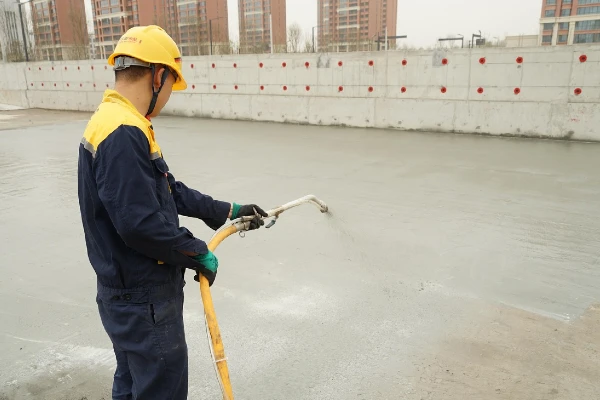
Protect your foundation with waterproofing
Why Waterproofing Matters for Your Foundation: Protect Your Home Today2025-09-22T10:48:34-05:00

Tree Roots & Foundation Damage: What You Need to Know

Tree roots, foundation damage, and the long-term effects they have on homes are topics that many homeowners overlook until the warning signs show up. Offending trees in the yard may seem harmless, but their roots can spread beneath the ground and quietly weaken the structural integrity of a house. The surrounding vegetation in a landscape often plays a bigger role than expected, affecting how soil shifts and how stable the foundation remains.
This blog will explain how roots cause problems, what signs to watch for, and what can be done to protect a home. Powerlift Foundation Repair works with homeowners across several states to address these issues and keep foundations secure.

Tree Roots And Foundation Damage

The Relationship Between Tree Roots and Your Home’s Foundation

Roots change what’s happening beneath the surface. They grow in search of moisture and oxygen, and those two things are often found right along the edge of a home’s foundation. This is especially true in areas with expansive clay soil, like many parts of Arkansas, Oklahoma, and North Carolina.

As roots draw water from the surrounding soil around the foundation, the ground begins to shrink and settle. When the moisture level is uneven on different sides of the house, the structure no longer sits evenly. That’s when stress cracks form and everything starts to shift. Arizona has a different issue entirely, with arid conditions making the ground so dry that any moisture near a home becomes a magnet for root systems.

It’s not that roots directly crush concrete. Instead, they cause foundation settlement by altering the soil surface beneath foundation footings. The shifting ground then leads to structural damage, and that movement is where all the foundation damage begins.

What Does Tree Root Damage Look Like?

The early signs usually fly under the radar. For example: a door sticking a little, cracks appearing in a corner of a window frame, or the floor starts to feel slightly uneven. These things don’t always scream foundation trouble at first. But in areas where trees grow close to homes, these symptoms can mean something much more serious.

In wetter climates like Tennessee or North Carolina, small drywall cracks can show up near the ceiling or baseboards. Over time, they spread diagonally and start to open wider. In Arizona, the opposite happens. The soil pulls away from the slab, and gaps appear between the dirt and the foundation. That kind of visible separation is often a sign that tree root damage is already affecting the home’s foundation.

Other signs include bricks cracking in a stair-step pattern, chimneys leaning to one side, or the entire house feeling slightly tilted. Driveways and sidewalks may also crack from nearby root growth. These may sound like slow changes, but once they start, they usually keep going unless something is done.

Which Trees Are the Biggest Threat?

Not all trees pose the same risk to a home’s foundation. Some tree species have aggressive root systems that stretch far and wide. Others grow deeper, but still pull large amounts of water from the surrounding soil.

Here’s a look at a few common ones that homeowners should be cautious about:

1. Poplars and Willows

These are fast-growing and extremely thirsty. Their extensive root systems stretch far beyond the tree’s canopy, always in search of moisture. It’s not uncommon for them to invade underground sewer lines, plumbing systems, and yes, the soil right up against a foundation.

In North Carolina and Tennessee, where rainfall is common, these trees grow fast and spread fast, making them even more of a threat.

house surrounded by tall trees

2. Oaks

Oaks are known for their deep and wide roots. While they don’t grow as fast as poplars, the size and reach of their root systems are enough to cause issues, especially in clay-rich soils. An oak might seem far enough away, but its roots could still be causing damage to the foundation years down the line.

3. Maples and Ash Trees

Maples and ash trees (especially silver maples and Norway maples) have shallow roots that stay close to the soil surface. These invasive roots are notorious for disturbing sidewalks, driveways, and foundation slabs. In urban neighborhoods, they are often planted in small yards, which only increases the risk.

4. Pine Trees

Pine trees often surprise homeowners. They don’t always seem like a problem, but their roots are shallow and tend to grow horizontally. In dry regions like Arizona, they can dry out soil faster than expected, and that moisture loss affects nearby structures.

How Root Growth Is Affected by Yard Conditions

Roots grow toward moisture, and they grow more aggressively when conditions make it harder to find that moisture. In areas that get the most sunlight, evaporation is higher, and roots have to work harder to keep the tree hydrated. This drives root growth closer to homes.

In sandy or loose soils, roots spread wider and faster. In compacted clay, they grow closer to the surface, staying near the moist top layers. Poor drainage or improper grading can make certain parts of the yard wetter than others, drawing roots toward the home’s foundation. Add in inconsistent watering or dry spells, and those roots become even more determined to find the nearest source of moisture.

Even the position of downspouts and sprinklers can affect how roots grow. If the area near the house stays damp longer than the rest of the yard, roots are going to make their way there.

Warning Signs of Foundation Problems Caused by Tree Roots

Some signs are subtle, while others can be quite alarming. Knowing what to look for can save time, money, and headaches. Here are the most common indicators:

1. Doors and Windows Stick or Don’t Close Properly

This is one of the first signs people notice. If a window that always opened just fine now gets stuck halfway, or a door rubs at the top or bottom, it could mean that part of the house is settling differently than the rest.

2. Cracks in the Walls or Floors

Hairline cracks often grow over time. In brick, they might follow a stair-step pattern. In drywall, they usually show up diagonally from the corners. Any widening crack is worth keeping an eye on, especially near windows and doors.

cracked wall

3. Sloping or Uneven Floors

Floors should feel level. If one part dips or feels like it has a slope, that could mean the foundation is settling unevenly. This is more common in older buildings, but it shouldn’t be ignored in newer ones either.

4. Gaps Between the Floor and Baseboards

As the foundation shifts, walls can pull away from the floor. This leaves noticeable gaps at the baseboards. Some homeowners spot this while cleaning or replacing flooring.

5. Soil Pulling Away from the Foundation

If the soil seems to be shrinking or separating from the edge of the house, that could be due to tree roots drawing out moisture. It’s a clear sign that the balance in the soil’s water content has been disrupted.

6. Exposed Roots Near the Foundation

Seeing large roots close to the home is a strong indication that the root system is well developed and could be affecting the foundation. This is especially true if cracks or settling are happening in that same affected area.

Preventive Measures to Keep Tree Roots From Damaging Your Foundation

Once root-related foundation problems start, fixing them can lead to costly repairs. That’s why prevention is ideal. There are a few reliable ways to keep roots from becoming a serious threat, including the following:

1. Install Root Barriers

Root barriers are physical barriers placed underground between the tree and the foundation. These can be made of heavy plastic or other tough materials, and they go down several feet into the soil. They work by redirecting root growth away from the foundation.

In homes with existing trees close to the house, this can be a great long-term solution. The earlier they’re installed, the more effective they are. They’re especially useful in areas with aggressive tree species or in regions with unpredictable soil moisture.

trees planted close to a house foundation

2. Use Root Pruning

Root pruning is the process of trimming roots that are growing too close to the home. This needs to be done carefully. Cutting too many roots or cutting the wrong ones can weaken or kill the tree. A professional arborist can help identify which roots can be pruned without putting the tree or the home at risk.

This method works best when combined with other strategies, like barriers or improved drainage. It’s not a one-and-done solution, but it can slow root growth in problem areas.

3. Follow Smart Planting Tips

A lot of future foundation issues can be avoided by planting smart in the first place. Homeowners should plant trees far enough from the house so their roots don’t reach the foundation. A good rule of thumb is to plant a tree as many feet away from the home as the tree’s expected mature height.

Other smart tips include:

  • Choose species with less aggressive root systems.
  • Talk to a local nursery or landscaper about which trees are safe to plant near homes in your area.
  • Consider the full extent of growth and how the root system could impact driveways, sidewalks, or other plants like grass and shrubs.
  • Always think long-term. A tiny sapling today might be one of those large trees in twenty years.

When Is Tree Removal Necessary?

Sometimes the best option is to take the tree out entirely. This isn’t a decision to make lightly. Tree removal can be expensive, and it often changes the look and feel of a yard. But if a tree is causing significant damage or is too close to the house to manage safely, removal might be the only way to stop further damage.

When to Call the Foundation Pros

If there are visible cracks in the walls, sloping floors, doors that won’t shut properly, signs that roots are too close, or visible damage on your foundation, it’s time to call someone who’s familiar with the foundation repair process.

PowerLift Foundation Repair has years of experience working in areas like Oklahoma, North Carolina, Arizona, Tennessee, and Arkansas. We understand how the local soil behaves, which tree species are the biggest offenders, and what solutions work best for each type of foundation. We can assess the damage, recommend the right repair method, and help prevent future issues. That kind of knowledge saves homeowners time, stress, and repair costs in the long run.

Protect Your Foundation Before Roots Take Over

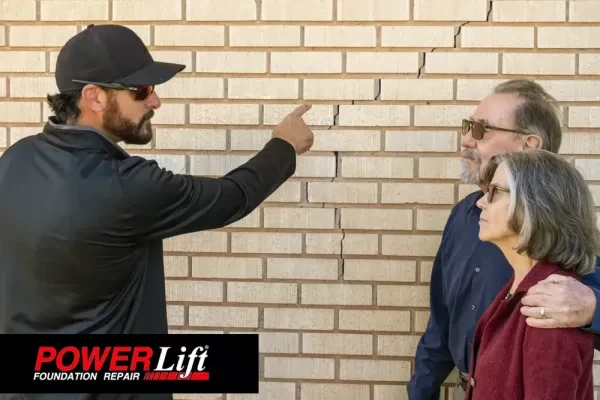
powerlift staff speaking with homeowners

Root damage doesn’t happen overnight, but it can lead to serious damage if left alone. As roots spread through the soil, they can shift the ground around your foundation and quietly weaken your property over time. Planting new trees without proper planning can add to the problem, especially if the soil is already unstable. Taking action early helps protect your home from the slow effects of nature and limits the risk of erosion that can make everything worse later on.

Want to learn more? Get in touch with the pros today!

Tree Roots & Foundation Damage: What You Need to Know2025-08-29T08:53:31-05:00

The Best Landscaping Practices for Foundation Health

When it comes to your home, the foundation is literally what keeps everything standing strong. But here’s a little secret many homeowners overlook: your landscaping can either protect your foundation or put it at serious risk. Yes, those pretty shrubs and well-manicured lawns can be your home’s best friend or its worst enemy.

At Powerlift, we’ve been helping homeowners protect and repair foundations for years, so we’ve seen firsthand how good (and bad) landscaping choices affect a home’s structural integrity. If you want to keep your home’s foundation in top shape, let’s talk about the best landscaping practices for foundation health and how you can have a beautiful yard without creating foundation problems.

Why Landscaping and Foundations Are Connected

The Best Landscaping Practices for Foundation Health

You might not think your house foundation and garden bed have much to do with each other, but the truth is they’re more connected than you think. Your landscaping materials, plants, and the way you manage water flow directly impact soil erosion, excess moisture, and soil saturation around your home.

Think about it, tree roots searching for water can push into your foundation. Improper drainage can let water seep in, causing foundation damage. Even planting too close to the house can create excess water problems that lead to cracks in your concrete walls.

Planting the Right Foundation Plants

The first step in protecting your home’s foundation is choosing the right foundation plants. Avoid large trees like oaks or maples close to the house. These have aggressive root systems that can cause trouble. Instead, choose smaller flowering shrubs or plants with shallow root systems.

Some great options:

  • Crape myrtle (in dwarf varieties)
  • Boxwood
  • Azaleas
  • Hydrangeas

Keep planting beds at least 3–5 feet away from the foundation to prevent root intrusion and allow airflow.

brown and white concrete house

Managing Moisture Levels Around Your Foundation

Excess moisture and dry soil are both enemies of a stable foundation. In wet conditions, water creates soil saturation, which can soften the ground and cause shifting. In dry seasons, the soil contracts, creating gaps that lead to settling.

Use these tips to balance soil moisture:

  • Install French drains to direct water away from your foundation.
  • Add mulch to retain moisture during dry months.
  • Avoid letting downspouts empty around your foundation. Extend them several feet away from your home.

The Role of Landscaping Materials

Your choice of landscaping materials can make or break your foundation’s health.

  • Gravel barrier: Great for preventing weeds while allowing water to drain properly.
  • Landscape fabric or weed membrane: Helps control weeds without trapping too much moisture.
  • Ground cover plants: Add greenery without aggressive roots that can damage foundations.
a newly installed French drain system designed to direct water away from a house foundation

Creating Proper Drainage

One of the most valuable insights we share with homeowners is that proper drainage is key to preventing water damage and foundation cracks. Your yard should slope away from the house to keep water moving in the right direction.

If you have planting beds around your foundation, make sure the soil doesn’t slope toward the home. Use gravel, mulch, or shrubs strategically to help with water flow.

Landscaping Around Your Foundation the Smart Way

Here’s a quick checklist for foundation landscaping success:

  1. Keep flower beds and shrubs at least 3 to 5 feet away from your home.
  2. Choose plants that absorb water without creating root damage.
  3. Use mulch to keep soil from drying out too quickly.
  4. Install French drains if water pools near your foundation.
  5. Avoid planting trees too close; roots will find your foundation.

How Landscaping Can Cause Damage

Ignoring these practices can lead to foundation repair needs that are both stressful and expensive. Some common problems from poor landscaping include:

keep your foundation strong
  • Water seeping into the basement or crawl space
  • Soil erosion that weakens support
  • Roots are cracking the foundation
  • Excess water leading to mold growth and cracks

These issues can result in sloping floors, sticking doors, or visible cracks in your concrete walls.

Midpoint Reminder: Why Professional Help Matters

Even with the best landscaping practices for the foundation, problems can still develop, especially if your home has existing issues. If you notice cracks, soil erosion, or foundation damage, it’s time to call the pros.

That’s where Powerlift comes in. We’re experts in residential foundation repair, using advanced techniques to stabilize and protect your home for years to come.

Common Landscaping Mistakes to Avoid

1. Planting too close to the house
Roots can grow into the foundation and cause cracks.

2. Not thinking about soil type
Clay-heavy soils expand and contract more, increasing the risk of damage.

black pruning shears beside green gloves

3. Overwatering plants near the foundation
This leads to soil saturation and possible leaks.

4. Letting water pool near the house
Always direct water away to prevent moisture buildup.

Tips for Year-Round Foundation Health

Your landscaping is a year-round job. In spring and summer, monitor watering habits. In the fall, remove leaves that trap moisture. In winter, check for frozen pipes and keep snow from piling up next to the foundation.

Even during the dry season, keep the soil slightly moist to prevent shrinking and cracking.

Powerlift’s Advice for Homeowners

We’ve been in the business long enough to know that maintaining your landscaping isn’t just about curb appeal; it’s about protecting the investment you’ve made in your home.

By keeping plants and trees in check, managing water flow, and using smart landscaping materials, you can prevent water issues and avoid costly foundation repair in the future.

Landscaping That Works for You and Your Foundation

Your landscaping should work hand-in-hand with your home’s foundation—not against it. By following these best landscaping practices for foundation health, you’ll protect your home from cracks, water damage, and other foundation issues while keeping your yard beautiful.

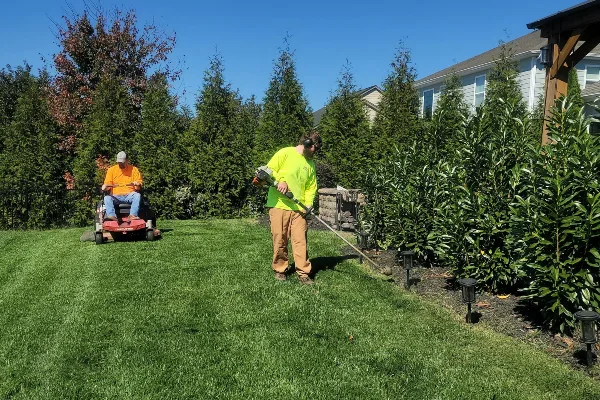
A man mowing a lawn with a lawn mower

If you suspect your landscaping has already caused damage, or you simply want a professional opinion, Powerlift is here to help. Our skilled technicians can inspect your property, spot early warning signs, and recommend solutions to protect your home’s structural integrity.
Don’t wait until small cracks turn into major problems. Contact Powerlift today for expert foundation repair and keep your home standing strong for decades to come.

The Best Landscaping Practices for Foundation Health2025-08-29T08:35:27-05:00

Seasonal Changes and Foundation Health: Keep Your Home Safe Year-Round

There’s a connection between seasonal changes and foundation health that many homeowners aren’t aware of. Just as seasonal variation can affect our routines and even our mood, it also impacts the ground beneath our homes. Temperature swings, fluctuating moisture levels, and soil movement can all lead to foundation shifts over time. That’s why services like those offered by Powerlift Foundation Repair are so important. Addressing foundation issues early can save you from long-term damage caused by the natural cycles of the seasons.

The Impact of Seasonal Changes on Your Home’s Foundation

Seasonal Changes and Foundation Health

Throughout the year, there can be specific foundation issues depending on the season and weather conditions. Below is an overview of some of the things to look out for in North Carolina, Tennessee, Arkansas, Arizona, and Oklahoma.

Spring

Spring washes the South and Southeast in heavy rains, a welcome break from winter, but a real test for foundations. In North Carolina, Tennessee, and Arkansas, torrential rainfall can oversaturate soil around homes with slab, crawl space, or basement foundations.

The soaked soil surrounding the foundation then expands and presses sideways against foundation walls, which is especially dangerous for basements where hydrostatic pressure might cause bowing foundation walls or leaks.

Oklahoma often sees spring storms mixed with late snowmelt, which compounds the pressure your foundation faces. Arizona, on the other hand, doesn’t get soaked from melting snow, but flash flooding after sudden desert downpours can slice the soil away from slab foundations.

During this season, you want to pay careful attention to grading, proper drainage, gutter outlets, and early signs of foundation trouble like new cracks or sagging floors.

Summer

Summer can be different depending on where you live. In Oklahoma, Arkansas, Tennessee, and North Carolina, high heat dries clay and other expansive soils. You may experience soil shrinkage, foundation soil gaps opening, and the soil beneath your home moving, which leads to uneven settling. This foundation movement usually pops up in late summer before the fall rains return.

In Arizona, summers bring intense heat and evaporation, chronically drying soils, and leading to foundation settling on slab homes. Add strong windstorms during monsoon season, and you can get erosion and dust scouring around foundation edges.

Fall

Fall in much of Oklahoma and the southeast carries seasonal storms, sometimes with local flash flooding as soil compacts from summer dryness and then gets clobbered with rain. That scenario can mask spring-like issues, such as sudden soil swelling in places you didn’t expect. Inspections and gutter cleaning are still very much needed now.

Arizona’s fall is usually milder, but it’s also when monsoon season wraps up and soil begins to slow contraction again, so checking soil moisture levels is important.

Winter

Oklahoma and Tennessee occasionally get frost and ice. Freeze-and-thaw cycles while soil holds moisture can pump water under slab expansions and contractions, stressing your foundation.

Arkansas and North Carolina face similar cycles. Freezing pushes the ground upward slightly, then thaw can pull supporting soil downward. Findings suggest that those repeated movements can lead to minor cracks early on and bigger problems as time passes.

Arizona doesn’t freeze much, but locations at higher elevations can. So, if your home sits at an altitude, there might be similar risks. But most of the state just sees mild dry winters, which still shrink the soil and can cause gentle but noticeable settling.

How Do You Know If You Have Foundation Issues?

It’s always smart to know what to watch for. Significant differences may be easy to spot, but things like subtle soil movement and minor foundation shifts require a closer eye. These are some of the signs that you might be dealing with foundation problems due to seasonal changes:

  • Small cracks in the foundation walls and around your home aren’t usually a major problem, but jagged ones wider than 1/8 inch, zig-zagged cracks, fan-shaped cracks near windows or corners, or horizontal ones tend to be the start of issues with your home’s structural integrity.
  • Sticking doors or windows that won’t close properly happens when the frame alignment shifts due to a lack of soil stability. This can happen year-round.
  • Floors that feel uneven or noisy are a big sign of pier or slab trouble that could be caused by extreme soil saturation as well as dry spells.
  • Open wallpaper seams, noticeable gaps in baseboards, and tiles popping loose can mean that seasonal transitions are causing cracks in the foundation. You could be dealing with water infiltration, moisture issues, and other problems that cause significant changes in your foundation.
  • Moisture or water pooling in basements or crawl spaces due to temperature fluctuations can weaken your foundation and lead to costly damage.
horizontal crack in a white wall

Seasonal Foundation Maintenance Tips to Prevent Future Problems

Regular maintenance is one of the best preventative measures you can take to mitigate the significant effects of changing weather conditions and seasonal patterns. Below, we’ve put together some helpful tips to help you keep your foundation strong and avoid costly repairs throughout the year.

Every Spring

  • Clean your gutters and drainage systems.
  • Grade around your foundation to direct water away from your house.
  • Regularly check slabs and walls for new cracks.
  • Make sure crawl-space vents are clear and foundation-drenched areas are blocked.

Every Summer

  • Give slab edges a shallow soaker hose to maintain moisture.
  • Use rain barrels to slowly release water near foundation edges.
  • Fill minor cracks with elastic sealant.
  • Add a vapor barrier under crawl-space dirt floors.

Every Fall

  • Clear debris around the foundation, particularly leaves and pine needles.
  • Test sump pumps and make sure they’re working properly.
  • Consider installing French drains if you don’t already have them.
  • Top up mulch or gravel beds since soil erosion after seasonal rain is common.

Every Winter

  • Apply foam board insulation near basement slabs.
  • Check foundation vents for ice blockage.
  • Refill soil gaps if you notice frost heave.

How Powerlift Foundation Repair Can Help Your Foundation Adapt to Seasonal Differences

Every season brings its own challenges. If you want to protect your home’s future structural integrity, you must make sure your foundation is ready to handle those seasonal changes—not just now, but year after year.

At Powerlift Foundation Repair, we’ve worked on thousands of homes across Oklahoma, Tennessee, North Carolina, Arkansas, and Arizona. Each of these states has its own regional traits and soil types. We’ve seen how a temperature drop in one state means frost heave, while a dry spell in another leads to foundation settling. Our job is to make sure your foundation can handle it all instead of breaking under pressure.

powerlift foundation repair specialist during inspection

Our team has mastered the 5 processes used in foundation repair, and we customize each fix to fit your property. These methods have been tested through some of the roughest weather swings across the country, especially in places that have seen significant increases in weather extremes. A few studies suggest that the upward trend puts more pressure on your foundation than it dealt decades ago.

You can rely on Powerlift Foundation Repair to understand these nuances and deliver the most effective services. We use regional data and good old-fashioned inspection work to create solutions that hold up not just for the season, but for the long haul.

Got Foundation Damage? Call Our Team Today!

As the seasons change, we often feel the effects not just outside, but inside ourselves, too. Previous studies show that this can affect physical and mental health, and some even experience seasonal affective disorder (SAD), a type of depression triggered by reduced daylight in the fall and winter months. This shift can disrupt sleep-wake cycles, affect sleep patterns, and even lead some to use tools like a light therapy box to regulate their circadian rhythms.

Just as our bodies respond to changing light and temperature due to seasonal weather, so do our homes, especially their foundations. Fluctuating moisture levels, freezing and thawing soil, and dramatic temperature swings can all take a toll on your home’s structural stability over time.

Powerlift Foundation Repair handles slab foundation repair, pier-and-beam leveling, basement wall corrections, moisture control, and more—all backed up by warranties and systems designed for where you live.

For a free estimate, visit our website or contact us here.

Seasonal Changes and Foundation Health: Keep Your Home Safe Year-Round2025-06-20T11:38:24-05:00

How Rain Affects Your Foundation

At Powerlift Foundation Repair, we’ve been helping Oklahoma homeowners stay on solid ground for decades. One thing we know for sure? Rain can do more damage than you might think, especially to your home’s foundation. Whether you have a slab foundation, a pier and beam foundation, or something in between, heavy rain isn’t just a nuisance. It can lead to foundation damage, soil movement, and some costly problems if you’re not careful.

Let’s talk about how rain affects your foundation, why heavy rain spells trouble for the soil beneath your house, and how you can spot early signs before they turn into major repairs.

Why Rain is a Big Deal for Your Foundation

how rain affects your foundation

It all starts with the soil surrounding your home. Here in Oklahoma, a lot of us are dealing with clay soil. That’s important because clay acts like a sponge. When it rains, the clay soaks up water and expands. When things dry out, it shrinks back down.

This constant swelling and shrinking puts enormous stress on your home’s foundation. It’s not just a little pressure—it’s called hydrostatic pressure, and it’s strong enough to push against basement walls, cause foundation cracks, and shift the very ground under your house.

And when that happens? You get foundation issues, notice cracks inside and outside, and possibly even deal with standing water in your crawl space or basement. All from a few heavy storms!

How Soil Movement Leads to Damage

When the soil beneath your home gets soaked, it can’t hold everything up the way it’s supposed to. Soil movement, especially after heavy rains, can cause your foundation to settle unevenly.

Rain, roof, moisture

If you’ve got a pier and beam foundation, water can pool around the beams, leading to wood rot, mold, and sagging floors. If you’re working with a slab foundation, the shifting ground can cause cracks right through the concrete.

Not only is this a recipe for structural damage, but it can also open your home up to moisture, mold, and even pests.

Signs That Rain Is Hurting Your Foundation

So, how do you know if the weather is quietly wrecking your house? Keep an eye out for these signs after a period of heavy rain:

  • Notice areas where doors and windows start sticking or won’t close properly
  • Hairline cracks appearing in the interior or exterior walls
  • Foundation cracks or larger gaps outside
  • Water pooling near the house, especially close to the crawl space or basement
  • A musty smell (hello, mold) creeping into the lower parts of your house
  • Sloping floors or uneven surfaces
  • Visible damage to the corners of your home
heavy rain

None of these signs means your house is doomed. But they’re definitely a signal that water—and the soil surrounding your foundation—might be causing problems.

And if you’re already spotting issues, you might need professional cracked foundation repair to get things back on track before they get worse.

The Role of Hydrostatic Pressure

Here’s where it gets a little technical but super important. When rainwater soaks into the ground, it creates hydrostatic pressure water builds against your foundation walls. That pressure pushes in all directions.

Over time, hydrostatic pressure can lead to serious foundation issues, even if you don’t notice anything at first. Tiny hairline cracks might seem harmless, but they open the door for even more water to get inside. Eventually, you could be facing bowing basement walls, broken support beams, and structural nightmares.

Slab Foundation vs. Pier and Beam Foundation: What Rain Does to Each

No matter what kind of home you have, rain can do a number on your foundation:

Slab Foundations

  • Heavy rain impact can cause the ground underneath to soften and shift.
  • The slab may crack under uneven pressure.
  • Water can seep into the cracks, worsening the problem over time.

Pier and Beam Foundations

  • Water buildup can cause wood beams to rot.
  • Mold and mildew grow fast in wet crawl spaces.
  • The beams can shift or sink if the soil gets too saturated.

Either way, too much rain equals foundation damage if you’re not careful.

How to Prevent Foundation Damage from Rain

The good news? You don’t have to sit around worrying every time there’s a storm. There are real ways to prevent foundation damage caused by rain.

Here’s what we recommend at Powerlift:

  • Install a perforated drain pipe (also called a French drain) to move rainwater away from your foundation.
  • Make sure your gutters and downspouts are clear and redirect water at least 5 feet away from the house.
  • Improve grading around your home so the ground slopes away from your foundation.
  • Check for standing water after storms and deal with it right away.
  • Use sump pumps in basements or crawl spaces to remove excess water.
  • Schedule regular inspections—catch foundation issues early!
gutters and downspouts

These small steps can make a big difference in protecting your house from rain damage and expensive repairs.

Why Trust Powerlift?

When it comes to cracked foundation repair, Powerlift is the team homeowners trust. We know how rain affects your foundation, and we know how to fix the problems before they turn into major disasters.

Whether you’re working with a slab foundation, pier and beam foundation, or something special, we have the tools, know-how, and experience to manage it. Plus, we love helping people protect their homes—it’s what we’ve been doing for years right here in Oklahoma.

When you call Powerlift, you’re getting more than a quick fix—you’re getting a long-term solution that keeps your structural integrity strong, rain or shine.

Don’t Let Rain Win—Protect Your Foundation Today

Foundation repair by Powerlift in OKC

Heavy rains aren’t going to stop, but foundation damage doesn’t have to be part of your story. If you start to notice cracks, standing water, or weird door problems, don’t wait.

Powerlift is here to help you with honest inspections, real solutions, and the best cracked foundation repair services in town. Let’s catch those foundation problems before they grow into something bigger (and a lot more expensive).

Contact Powerlift Foundation Repair today for a free evaluation, and stay one step ahead of the next big storm.

How Rain Affects Your Foundation2025-05-09T06:23:19-05:00

Heat and Foundation Cracks: What Every Homeowner Should Know

In places like Oklahoma, North Carolina, Tennessee, Arkansas, and Arizona, high temperatures are nothing new. But one thing most people don’t realize is just how much heat can affect the soil surrounding their home, and more specifically, the connection between heat and foundation cracks.

At Powerlift Foundation Repair, we’ve worked on hundreds of homes and buildings with cracks caused directly by heat and its impact on soil and the structure. It’s a problem that doesn’t always show up right away, but once it does, it can lead to damage and more serious structural issues in the worst cases. To help you protect your home’s foundation, we’ll discuss how heat causes cracks in your foundation, the warning signs to look out for, and preventive measures you to prevent bigger issues.

Heat and Foundation Cracks What Homeowners Should Know

Can Extreme Heat Cause Cracks in Your Foundation?

In the US, especially in southern and southwestern states, many properties are built on expansive soil. That type of soil swells and shrinks depending on how wet or dry it is. During hot weather, the soil dries up, contracts, and leaves gaps between the ground and your home. Without that support underneath or around it, your foundation can shift, settle, or crack.

Aside from the soil shrinkage, there’s also the extreme fluctuation. In some areas, like parts of North Carolina or Arkansas, you might get summer heat waves followed by heavy storms. This repeated cycle of drying and changing moisture levels can put constant stress on your foundation and wear it down eventually. Additionally, concrete foundations can expand when they get hot, and if there’s no room for that expansion, it can crack from the pressure.

Which Foundation Types Are Affected by Extreme Heat (and How)?

Heat doesn’t damage every foundation the same way. Each type responds differently depending on the materials used and how it’s built.

1. Slab Foundations (Concrete Foundations)

Concrete slabs are especially vulnerable during hot weather. The surface gets hot fast, and the soil underneath dries out. Without enough moisture below, the slab may settle unevenly or even crack from thermal expansion. The top of the slab expands, but the bottom cools more slowly, and this uneven stress leads to surface cracking.

2. Crawl Space Foundations

Houses with crawl spaces aren’t immune. When exposed long enough to heat, the soil beneath the piers can dry out and shift. That uneven support puts stress on the floor joists and foundation walls, sometimes creating diagonal cracks or gaps at corners. Crawl spaces in hot, humid climates can also trap moisture after a sudden rain. This alternating dry-then-wet cycle worsens the damage.

3. Basement Foundations

Basements usually sit deeper underground, but they still deal with issues from heat. The soil around the basement walls can dry out, lose its lateral support, and pull away from the foundation. That means the walls start to bow outward or develop vertical cracks. If the basement is partially underground (as many are), temperature swings between the outside soil and interior walls can cause stress fractures as time passes.

Additionally, if that dry soil is suddenly hit with heavy rain, it swells back up quickly and puts intense hydrostatic pressure on those already weakened walls. Issues like plumbing leaks inside the basement can also cause further deterioration.

4. Pier and Beam Foundations

These foundations hold up well in wet conditions, but they don’t do very well in dry, hot soil. The piers are only as stable as the ground they’re set in. When the ground shrinks, they can settle unevenly, leading to creaking floors, sagging joints, and cracking walls. The movement may be gradual, but as time passes, it adds up—and so does the repair cost if it’s not handled early.

5. Insulated Concrete Form (ICF) Foundations

ICF foundations are built for energy efficiency and durability. But like any other foundation, they depend on the soil around them for stability. If the ground around an ICF foundation shifts from intense heat or drought, the base can still settle unevenly. The results are hairline cracks along seams or pipe penetrations, which can compromise foundation health. It’s not common, but it can happen, especially in areas where the insulation wasn’t installed with drainage in mind.

If you live in a hot state and you’ve already seen the signs, there are proactive steps you can take to keep the problem from getting worse, or to keep issues from starting in the first place.

Some tips to keep your foundation intact and make sure your home remains safe:

1. Water Your Soil

Use a soaker hose placed about 12-18 inches away from the foundation and run it slowly for 15-30 minutes a day during dry spells. Keeping the soil moist prevents it from drying out completely. and helps maintain consistent pressure on the foundation.

2. Adjust Your Landscaping

Man watering the grass with a gardening hose

Don’t let trees grow too close to the house. Their roots suck moisture out of the soil, making it even drier. Instead, use ground cover, mulch, or non-invasive shrubs to keep the soil shaded and cooler.

3. Watch Your Drainage

Make sure your downspouts direct water away from the foundation to avoid water intrusion and damage. Additionally, if rainwater collects too close to the house, it will mess with soil stability when the rain dries up. Grading the soil to slope away from your house also helps.

4. Seal Up Cracks Immediately

Minor cracks, as harmless as they may seem, are actually warning signs. New cracks like these shouldn’t be ignored. Sealing them early helps keep out moisture, pests, and stops the crack from growing under temperature stress. If you think you’re dealing with a major crack, it’s best to have a foundation inspection sooner rather than later.

5. Monitor Soil Separation

If you start seeing gaps between the soil and your foundation, that’s your cue to add moisture. Letting the soil shrink further just opens the door for bigger movement.

How to Tell if Heat Is Causing Your Foundation to Crack

Now that you know exactly how heat affects your foundation, let’s move on to the next topic: recognizing signs that heat is causing foundation cracks in your home or building.

Look out for:

  • Hairline cracks in the concrete slab foundation, especially in garages or near the corners of rooms
  • Diagonal cracks near windows and door frames
  • Sticking doors and windows
  • Tiny gaps between your foundation and the soil around the edge of your home
  • Uneven floors or areas that feel like they’re sagging
  • Stair-step cracks in brickwork or exterior walls
  • Baseboards separating from the wall, or a visible separation near the ceiling

What to Do if Your Foundation Has Cracked From Heat

The first rule when it comes to repairing foundation cracks is not to wait it out. Foundation damage caused by heat is a sign that your structure is already stressed, and ignoring it just gives it more time to worsen.

Instead, we recommend doing these:

1. Take Photos and Keep Notes

You’d be surprised how helpful a few pictures and dates can be. Note when you first saw the crack, how big it was, and whether it has changed. If you’re dealing with doors and windows sticking, also record where and how bad it is.

2. Check for Plumbing Issues

Heat alone can cause foundation movement, but so can leaks under the slab. Make sure you’re not dealing with both at the same time. A licensed plumber can run a pressure test on your lines.

3. Get a Professional Foundation Inspection

Reach out to professional foundation repair experts like Powerlift Foundation Repair for a thorough inspection. We’ll measure movement, assess soil conditions, and figure out whether you’re dealing with a surface-level problem or something deeper.

When Is It Time to Let the Pros Handle It?

There are times when homeowners themselves can’t repair certain issues, especially those concerning structural problems. In such cases, we recommend working with experienced professionals for the most effective foundation crack repair solutions. Additionally, calling the pros can also help you avoid costly repairs due to improper repair attempts.

Bring in a professional if you notice any of these:

  • The cracks in your foundation are getting wider
  • Floors are no longer level
  • There’s a separation between walls and ceilings
  • You’ve tried cosmetic repairs, and the issue keeps coming back
  • You notice visible settling or shifting around the perimeter of your home

What to Expect From a Professional Foundation Service

Generally, some of these steps may be taken by professionals during the service:

  1. Detailed inspections using laser levels and elevation measurements
  2. Soil analysis to check for moisture loss or instability
  3. Pier systems (like steel or helical piers) to stabilize and lift the foundation
  4. Foam injections for void filling under slabs
  5. Epoxy or polyurethane crack injections for internal repairs
  6. Drainage corrections to stop future problems
Powerlift Foundation Repair professionals speaking with a client

Schedule a Service With Powerlift Foundation Repair Today

Our foundation experts have decades of experience handling all kinds of services from regular inspections to cracked foundation repair. If you’re seeing concerning foundation issues or would just like to make sure your home’s structural integrity is at its best, don’t hesitate to contact our team for assistance.

Heat and Foundation Cracks: What Every Homeowner Should Know2025-05-09T06:35:15-05:00

Can I Retrofit My Existing Foundation for New Building Codes?

Your foundation is the backbone of your home, but what happens when local building codes change? If you’re wondering, “Can I retrofit my existing foundation for new building codes?” the answer is yes—but it depends on a few key factors. At Powerlift, we’ve helped homeowners and commercial property owners strengthen their existing foundations to meet updated regulations. Whether your structure needs seismic retrofit improvements, underpinning, or simple foundation repairs, we’ve got the expertise to build a stable foundation and get it done right.

Why Retrofit an Existing Foundation?

Building codes evolve over time to address new safety standards, natural disasters, and soil conditions, making it essential to build foundations that meet these updated requirements.

Can I Retrofit My Existing Foundation for New Building Codes

If you have an old house, its existing foundation may not meet current local building codes. This is especially important if your structure is sitting in an area prone to earthquakes, soil movement, or high water tables.

Retrofitting means upgrading your foundation without tearing it out entirely. This process strengthens your existing footings and foundation walls to improve the structural integrity of your home. It’s a practical solution for homeowners who want to avoid the cost and disruption of installing a new foundation.

Understanding Local Building Codes

Before starting a construction project, check local building codes to understand the specific requirements for your area. Your local building department will have guidelines on soil tests, structural reinforcements, and necessary permits.

If you’re unsure about compliance, consulting an engineer can help you navigate local code regulations and plan the right retrofitting strategy.

Assessing the Current Condition of Your Old House

Before diving into retrofitting, it’s crucial to assess the current condition of your old house.

construction, cement, retrofitting

This step involves a thorough evaluation of the existing foundation, identifying any potential weaknesses or damage, and understanding the foundation’s age and history. This comprehensive assessment will help you determine the best retrofitting approach to ensure the structural integrity of your home.

Evaluating the existing foundation’s material (e.g., concrete block)

When evaluating your foundation, start by identifying the type of material used. For instance, if your foundation is made of concrete block, inspect it closely for any signs of cracking, crumbling, or water damage. Concrete blocks are durable, but they can deteriorate over time, especially if exposed to moisture or shifting soil. Understanding the material’s condition will help you decide whether it needs reinforcement or replacement. Additionally, consider the foundation’s age and whether it was originally built to withstand natural disasters like earthquakes or floods, which can significantly impact its durability.

Identifying potential weaknesses or damage

Free House Tenement House photo and picture

Identifying potential weaknesses or damage is a critical part of the assessment. Look for visible signs of settling, cracking, or deterioration both inside and outside your home. Pay special attention to any water damage, erosion, or soil instability around the foundation, as these issues can compromise its stability.

It’s often beneficial to hire a professional foundation inspector who can conduct a thorough evaluation and provide expert recommendations for retrofitting solutions. Their expertise can help you identify problems that might not be immediately apparent and suggest the most effective methods to address them.

Determining the foundation’s age and history

Understanding the age and history of your foundation can provide valuable insights into its current condition. Research the history of your home, including any past renovations or repairs, to get a complete picture of the foundation’s integrity. Older foundations may not have been built to current standards, making them more susceptible to issues. Knowing the foundation’s history can help you identify potential areas of concern and plan the most appropriate retrofitting strategy to ensure your home meets current local building codes.

Signs Your Existing Foundation Needs Retrofitting

Not every home requires a retrofit, but some signs indicate it might be time for an upgrade:

  • Cracks in Concrete Walls or Foundation Walls – These can signal foundation settling or shifting soil.
  • Uneven Floors – If one side of your house feels lower than the rest, your foundation may be moving.
  • Doors and Windows Sticking – Shifting foundations often cause misaligned frames.
  • Water Damage in the Basement – Poor drainage or foundation cracks can allow moisture to seep in.
  • Visible Deterioration of Concrete Blocks or Piers – Aging materials weaken over time, impacting structural stability.

For more information on signs your foundation needs repair, click here.

cracks on a concrete wall

Methods to Retrofit Your Foundation

If your home was built years ago, retrofitting your foundation could involve different techniques depending on its current condition and local code requirements, ensuring you build a more stable and compliant structure.

1. Seismic Retrofit for Earthquake-Prone Areas

If your home is located in an earthquake-prone area, adding steel brackets, bolts, and solid blocking to your existing foundation can help stabilize your structure. These reinforcements secure your home to the foundation and prevent excessive movement during seismic activity.

2. Underpinning for Strengthening an Existing Foundation

Underpinning involves adding additional support beneath your current foundation. This is done by installing piers or piles to transfer the building’s weight to more stable ground. If soil tests reveal poor ground conditions, underpinning can be a crucial step in preventing further settling and structural damage.

3. Reinforcing Foundation Walls with Concrete or Steel

Construction site

If your basement walls are bowing or cracking, reinforcing them with additional concrete or steel supports can increase stability. Powerlift specializes in installing wall anchors, carbon fiber strips, and steel I-beams to stabilize concrete walls and prevent further movement.

4. Fixing Foundation Footings with Additional Support

If your existing footings are inadequate, new concrete footings can be installed to support the structure. This process may require excavation and backfill to create a solid base.

5. Improving Drainage to Prevent Foundation Damage

Water pooling around your foundation can lead to serious issues over time. Prevent foundation erosion by installing drainage solutions (French drains, sump pumps) to keep water away from your structure.

Preparing for Retrofitting Work

Once you’ve assessed the condition of your foundation, the next step is to prepare for the retrofitting work. Proper preparation is essential to ensure a safe and efficient process, minimizing disruptions and potential damage to your property.

Clearing the site and removing any obstacles

Clearing the site and removing any obstacles is a crucial part of the preparation. Start by removing any debris, vegetation, or other obstructions that could interfere with the retrofitting process. This not only makes the work easier but also helps prevent accidents. Protect nearby landscaping, utilities, and structures to avoid any unintended damage during the retrofitting work. Additionally, ensure that the work area is well-ventilated and well-lit to create a safe environment for the workers. Proper site preparation can significantly impact the success of the retrofitting project, helping to maintain the structural integrity of your old house and prevent costly repairs in the future.

By following these steps, you can ensure that your old house is properly assessed and prepared for retrofitting work, which will help to ensure the structural integrity of your home and prevent costly repairs down the line.

Costs and Permits for Retrofitting

Retrofitting costs depend on the scope of work, the condition of your existing foundation, and the local building department’s requirements. Here are some factors that affect pricing:

  • Size of Your Home – A larger structure requires more materials and labor.
  • Soil Conditions – Poor soil may require additional reinforcements.
  • Extent of Repairs Needed – Simple fixes cost less than full-scale underpinning.
  • Permits and Inspections – Your local building codes may require inspections before and after retrofitting, adding to the overall cost.
Housebuilding, new building, retrofitting cost

If you’re concerned about cost, the best approach is to consult a foundation expert who can assess your home and provide an estimate tailored to your needs.

When to Replace Instead of Retrofit

Sometimes, retrofitting isn’t enough, and a new foundation may be the best option. If your concrete foundation is severely damaged, replacing it might be necessary. Signs that replacement is the better option include:

  • Extreme foundation settling that cannot be corrected with underpinning
  • Widespread deterioration of concrete blocks or footings
  • Severe cracks that indicate structural failure

Call Powerlift for Expert Foundation Solutions

A construction worker piling the materials for retrofitting

If you’re wondering whether to retrofit or replace your foundation, Powerlift is here to help. Our team specializes in foundation repair, seismic retrofits, and underpinning solutions tailored to your building’s needs. We’ll assess your structure, check local building codes, and recommend the best approach for maintaining its stability.

Don’t wait until structural issues become costly. Contact Powerlift today for expert advice and a free inspection to keep your home safe and up to code!

Can I Retrofit My Existing Foundation for New Building Codes?2025-04-01T10:42:57-05:00

How to Waterproof My Building’s Foundation and Prevent Water Damage

At Powerlift Foundation Repair, we’ve had many clients ask us, “Is it necessary to waterproof my building’s foundation?” As experts in foundation repair, our unanimous answer is: yes! Many foundation issues begin because of moisture or water damage, so the best and most proactive way to prevent those problems is to make sure water never makes it into your foundation walls in the first place.

Here, we’ll discuss the process of exterior and interior foundation waterproofing, how it differs from damp proofing, the risks of having non-waterproof foundation walls, the best methods for various foundation types, and a quick breakdown of waterproofing practices you can do by yourself and those you need professionals for.

Exterior Foundation Waterproofing

How to Waterproof My Building's Foundation and Prevent Water Damage

Exterior waterproofing systems focus on sealing the outside wall of the foundation with a waterproofing membrane (liquid membrane or sheet membrane) and making sure there’s a proper drainage system around the home. The goal is to redirect water away before it even has a chance to seep in through the foundation walls.

The process starts with excavation. For full waterproofing, the soil around the foundation is dug out all the way down to the flooring. Clean the surface with a pressure washer so the waterproofing material sticks better. It’s also important to repair any damage to the walls, which could mean reapplying mortar, patching gaps or holes, and so on. Note that concrete releases water vapor as it cures, so make sure it’s fully dry before moving on to the next step.

Once the exterior walls are fully prepped, a thick waterproofing membrane (usually made of rubberized asphalt) is applied to the outside of the foundation walls. This forms a barrier that protects the wall from wet soil and moisture. Other waterproof material options include sheet membranes (more robust) and drainage mats like dimpled boards (allow air to flow between the wall and soil and let the water reach the drain system). When applying the membrane, remember to extend waterproofing at least 12-14 inches onto nearby or intersecting walls even if these walls don’t require waterproofing. This is a way of making sure that water and moisture can’t sneak in through the other walls.

Afterward, a French drain or drain tile system—which is a system of perforated pipes wrapped in gravel—is placed at the base of the foundation to catch and redirect water away from your building.

The soil is then replaced using coarse, well-draining material instead of compacted clay which traps moisture. Finally, make sure the ground slopes away from the house so that rainwater is naturally pulled away instead of accumulating around the foundation.

man wearing a hard hat digging with a shovel

Interior Waterproofing

Interior waterproofing doesn’t prevent water from reaching your concrete walls, but it manages the water that does get in.

It’s a good backup plan for homes that already have exterior waterproofing in place. It’s also a must-have for basements or crawl spaces, especially if your region sees a lot of rain throughout the year.

The interior walls should be prepped first. Any cracks in the basement walls or floors should be sealed with epoxy or polyurethane injection to prevent leaks. The next step is to install a sump pump, which collects and pumps out any water that makes its way into the basement. This prevents flooded or wet basements. If leaks are persistent, an interior French drain system can be installed along the basement perimeter to collect and redirect water before it pools.

Applying waterproof paints and sealants can help block minor moisture, but they aren’t a permanent fix if the foundation isn’t properly waterproofed on the outside.

horizontal crack in foundation wall

Damp Proofing vs. Waterproofing

Damp proofing is a basic moisture control method that keeps moisture from the soil around your home from slowly seeping into your foundation. It’s often done using a simple tar-based coating applied to foundation walls.

Good for: Homes in dry climates that don’t experience much rain.
Not effective for: Preventing serious water intrusion, heavy rain, or hydrostatic pressure.

Meanwhile, waterproofing actively blocks water from reaching your foundation. It includes drainage systems, waterproof membranes, sump pumps, and sealants.

Good for: Houses in rainy climates, flood-prone areas, or homes with basements.

What Happens When You Don’t Waterproof Foundation Walls?

  1. Cracks and weak spots: Water erodes concrete, which can lead to small cracks that grow larger if they aren’t sealed.
  2. Soil shifting: Expansive clay soils, like those found in Oklahoma, swell when wet and shrink when dry. This causes foundation movement.
  3. Mold and mildew growth: Moisture buildup creates musty odors, mold growth, and poor air quality.
  4. Bowing walls and structural damage: Water pressure can push against foundation walls, causing them to bow, crack, bend, or even collapse.

How to Waterproof Different Types of Foundations

1. Basement Foundations

Basement foundations need both exterior and interior waterproofing since they sit below ground level, making them particularly vulnerable to leaks. If you have basement windows, it’s also best to install window wells. These wells must be properly connected to your foundation wall and its waterproofing material.

Best methods:

  • Exterior waterproof membrane
  • French drains
  • Sump pump installation
  • Proper grading and drainage
empty basement

2. Poured Concrete Foundations

Concrete may be strong, but it’s still porous. This means water can still seep in without proper waterproofing.

Best methods:

  • Exterior waterproof coatings
  • Crack sealing
  • Proper grading and drainage

3. Crawl Space Foundations

Similar to basements, crawl spaces are prone to moisture buildup, which can lead to mold and wood rot.

Best methods:

  • Exterior waterproof membrane
  • Crawl space encapsulation
  • Dehumidifiers
  • Drainage systems
man insulating a crawl space

4. Insulated Concrete Form (ICF) Foundations

ICF foundations are energy-efficient, but their foam layers can trap moisture if not waterproofed properly.

Best methods:

  • Peel-and-stick waterproof membranes
  • Drainage boards
  • Well-draining backfill

5. Pier and Beam Foundations

Since these homes sit above ground, they don’t experience direct water exposure like basements do. However, crawl space moisture is still an issue to keep an eye out for.

Best methods:

  • Vapor barriers
  • Proper ventilation
  • Proper drainage system

DIY vs. Professional Foundation Waterproofing

pier and beam foundation
DIY Waterproofing Requires Professional Waterproofing
  • Sealing small cracks
  • Keeping gutters clean
  • Grading the yard
  • Installing waterproof membranes
  • Excavating
  • Installing French drains
  • Fixing structural foundation issues before waterproofing

Powerlift Foundation Repair: We Can Fix Any Foundation Problem

Waterproofing is one of the most effective ways to prevent foundation issues. But if you’re already dealing with a foundation problem, it’s best to get those concerns sorted out first before reinforcing your waterproofing system.

With decades of experience in the structural repair industry, you can trust our reliable team at Powerlift Foundation Repair to restore your foundation to its best shape. We provide foundation repair services to Oklahoma, Arkansas, North Carolina, Tennessee, and Arizona.

For more information, visit our website or contact us toll-free!

How to Waterproof My Building’s Foundation and Prevent Water Damage2025-03-03T07:56:24-06:00
Go to Top