Foundation Repair

How to Handle Foundation Issues When Planning a Renovation

House renovations are a great investment. However, every homeowner should ensure they’re doing it right the first time. This includes checking for foundation issues before starting any renovation work. Pushing through construction with a bad foundation is a recipe for disaster. Don’t underestimate foundation problems, especially if you have home improvement projects lined up. At Powerlift Foundation Repair, we specialize in addressing foundation issues. We’ll guide you through key steps to ensure your renovation is a success.

Related Article: Regular Checks for Home Foundation Health: A Homeowner’s Guide

Addressing Foundation Problems When Planning a Renovation

Never ignore a foundation problem. Whether it’s hairline cracks in your walls or uneven settling, it’s crucial to keep an eye on it. Determine if the issue is serious, especially before renovating your home. Ensure the foundation is stable and secure enough to handle the upcoming project.

If you suspect foundation problems or want to ensure your foundation is in good condition, follow these tips:

1. Look for Signs of Foundation Issues

Inspect various areas of your home like the floor, walls, chimney, crawl space, basement, and concrete slabs. These spots often show tell-tale signs of a sinking or shifting foundation. Identifying issues early can save you from costly repairs later on.

To name a few, these signs include cracked or bowed walls, a leaning chimney, sloping floors, and misaligned doors and windows (more details on these signs later!).

2. Hire a Structural Engineer to Assess Your Foundation

While it’s beneficial to personally inspect your home’s foundation and keep an eye out for signs of foundation problems, nothing beats the professional assessment of a foundation specialist or structural engineer. Homeowners should hire a professional to evaluate their foundations, and based on the findings, they can decide on the necessary repairs or improvements needed.
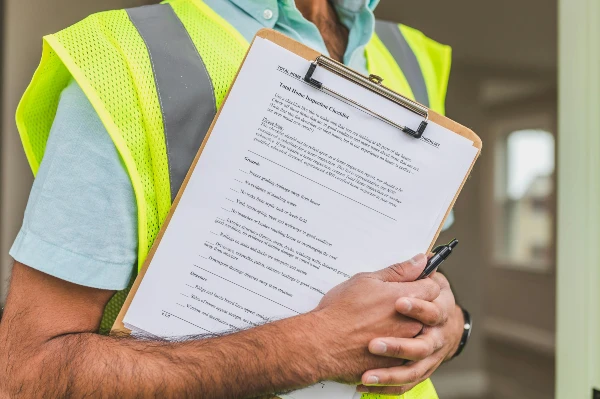
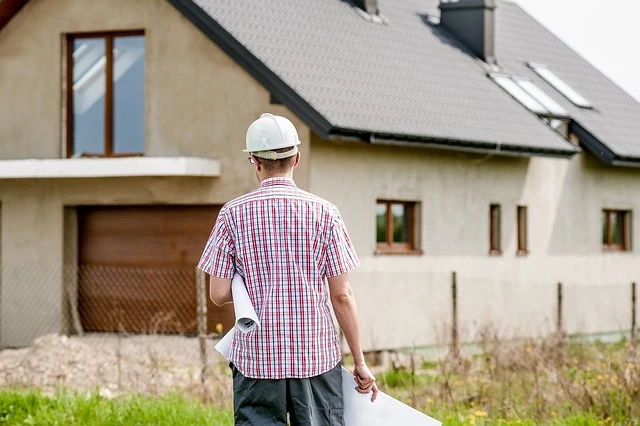
structural engineer inspecting a house and its foundation

3. Address All Foundation Issues Before Any Renovation Work

Once you’ve determined your home’s foundation problems, they must be addressed immediately. You can contact a foundation repair company like Powerlift Foundation Repair for the necessary residential foundation services. The repairs may delay your renovation plans, but it’s an essential step to securing your foundation, and by extension, the entirety of your property.

DIY Repairs vs. Professional Repairs

Many homeowners consider opting for DIY repairs to save money. Whether it’s a wise decision to repair the damages yourself ultimately depends on how extreme the foundation problem is, your skill level, and the availability of the necessary tools and materials.

Generally, though, here are some minor foundation problems that you can repair yourself:

  • Crack filling
  • Soil grading
  • Sump pump maintenance
  • Mortar repair
  • Foundation ventilation

It’s generally safe to choose the cost-effective option with DIY repairs as long as you’re confident that you know what you’re doing. Anything more major and concerning than the specific issues mentioned requires professional assistance. But if you’re not worried about costs, it’s always better to hire a general contractor or foundation specialist to do the repairs for you. This way, you’re sure that your foundation is in expert hands, and that the results are long-lasting and truly reliable.

professionals discussing foundation repair plans

What Are the Common Signs of Home Foundation Issues?

Foundations can degrade over time, either due to age or external factors. You can determine a bad foundation by watching out for the following signs:

1. Bouncing Floors or Uneven Floors

Bouncing, uneven, or sagging floors can be caused by foundation issues in your house. These problems can mean your foundation is sinking or settling unevenly. It’s something homeowners shouldn’t brush off, especially since it can worsen over time and lead to other issues like misaligned doors and large cracks in walls, or worse—extensive structural damage.

2. Exterior Wall Cracks and Interior Wall Cracks

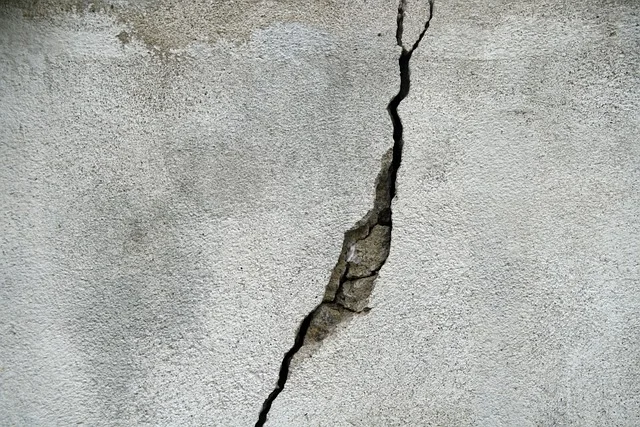
While hairline cracks in the walls can seem harmless as they’re often caused by natural settling, there are instances when even these small cracks hint toward bigger foundation problems. Sometimes, hairline cracks really are just cosmetic issues and are nothing to worry about, but when they turn into large cracks and gaps, then you know for certain there’s something going on with your foundation.

You may find various kinds of cracks in your walls, so you should know what each type of crack may be telling you about your foundation:

  • Horizontal Cracks: Among the various types of cracks, horizontal cracks are generally the most concerning ones. These can be caused by pressure buildup from your home’s exterior—pressure from soil or water, to be specific. While most foundations are supposed to withstand external pressure, additional factors like flooding can still lead to horizontal cracks. If you’re worried about the horizontal cracks in your walls, just remember this rule of thumb: if the crack is larger than one-quarter (1/4), it’s time for a professional to take a look at it.
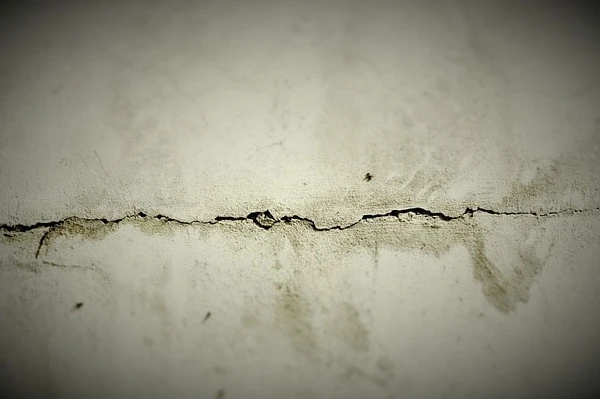
horizontal crack on concrete wall
  • Vertical Cracks and Diagonal Cracks: These types of cracks usually indicate normal house settling, especially for newly constructed structures. They are also called “shrinkage cracks” due to how concrete contracts as it hardens. However, there are also times when vertical and diagonal cracks suggest bigger underlying issues. If they’re wider than 1/8 of an inch wide and you find them in the corners of the wall, it’s best to have them checked.

3. Sticking Doors and Windows

If your doors and windows don’t shut properly anymore, it can be another sign of foundation problems. When your foundation starts moving or shifting unevenly, it can cause issues with the alignment of your doors and door frames as well as windows and their frames. Because of the misalignment, you’ll notice they don’t work as they used to and can stick awkwardly as you try to open or close them. We recommend immediately calling a professional in these scenarios so the necessary repairs can be carried out as soon as possible.

4. Leaning Chimney

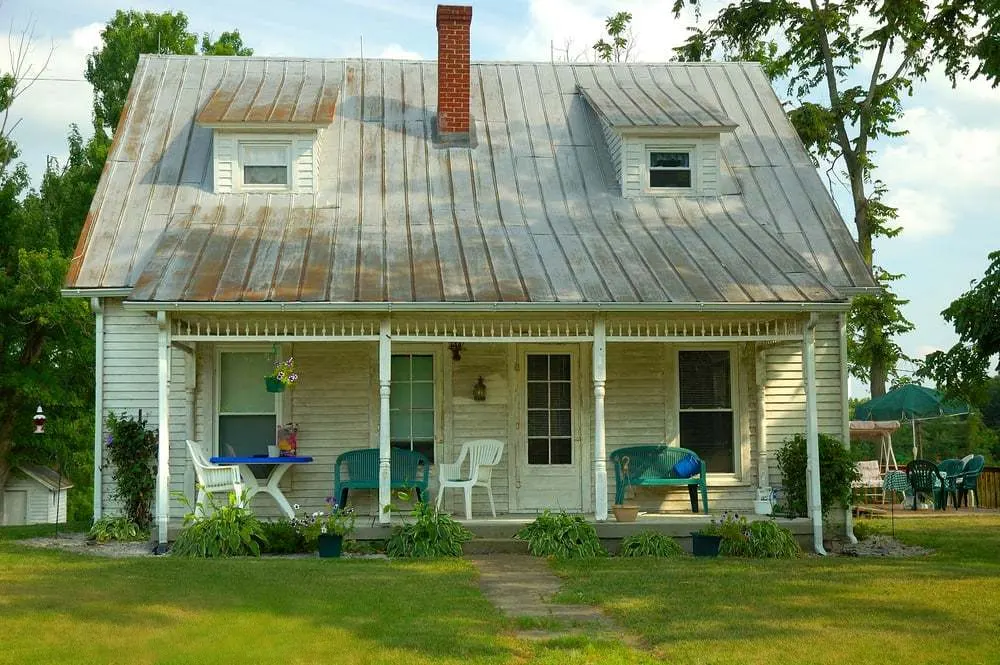
Another obvious sign that you may be dealing with foundation problems is if you have a leaning chimney. A compromised foundation means the ground under the chimney is shifting, unsupported, or uneven, causing the chimney to tilt away from the rest of the house and create gaps where it’s supposed to connect with the roof. Professional assistance is necessary in this situation.

5. Bowed Walls

Bowed foundation walls or basement walls mean the foundation isn’t supporting the structure as well as it should. Lateral forces or pressure from the outside is often what leads to walls curving inward. This pressure can come from various things, including expansive soil, frozen soil, and hydrostatic (water) pressure.
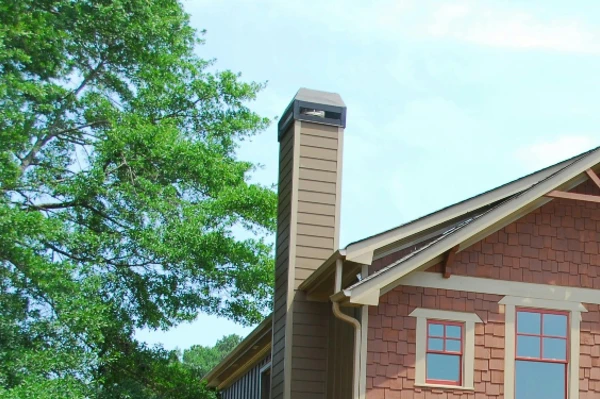
house chimney

It’s not always easy to spot a bowing wall since it happens gradually, but you’ll often find cracks first, which is then followed by the actual bowing of the wall. Call a professional right away if you notice any problems with your foundation or basement walls.

What Causes Foundation Damage?

Knowing the causes of foundation damage is just as important as resolving existing issues because it helps you prevent foundation problems from developing in the first place. This preventative approach is beneficial for when you renovate in the future because it helps prevent complications and makes the process smoother and quicker for everyone involved.

Foundations are affected by a number of factors, including:

1. Unstable Soil

Foundations need stable soil to remain level and supported. Unstable soil due to poor compaction and excess water, as well as specific looser types of soil (e.g. sand or silt), can lead to a sinking and shifting foundation. So, it’s important to make sure that the soil you’re building on is properly compacted, well-drained, and can handle the type of foundation you’re constructing.

2. Flawed Construction

One of the causes of foundation problems is the flawed construction of the structure. This includes poor workmanship, wrong or low-quality materials, as well as various mistakes during the construction process. A flawed construction process means your house may have been built on a shaky base, leaving everything on top of it at risk of damage.

3. Water Damage and Moisture Issues

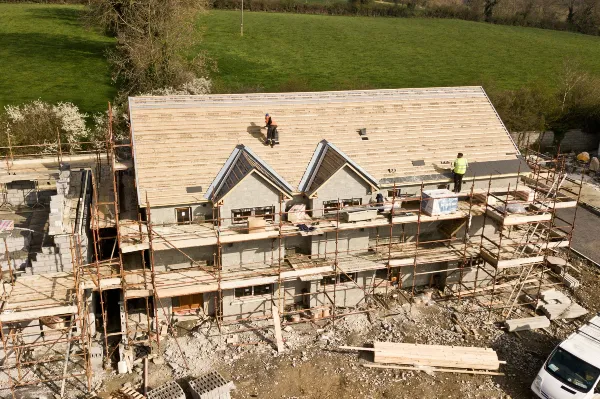
Water damage from plumbing leaks and poor drainage can cause moisture issues in basements and crawl spaces.
house construction

It can also come from external sources; for instance, if you have a cracked siding, rainwater can seep in through the cracks and pool around the foundation, which can weaken the material over time. Additionally, too much moisture can cause the soil near the foundation to swell and expand, which puts pressure on the foundation and causes shifting, settling, or movement.

4. Large Tree Roots

Having plants—especially large trees—near your house’s foundation can lead to some serious foundation problems. This is because the tree’s roots can find their way to your house and add pressure to the foundation walls, leading to damage.

It’s not just about the roots themselves either. Large trees can steal a lot of moisture from the soil near the foundation, which can be problematic for soil types like clay which becomes unstable when faced with moisture level changes. This unevenness can cause the foundation to shift and settle unevenly, leading to various problems.

large tree roots in soil

5. Earthquakes

Earthquakes can cause all sorts of foundation problems. The movement can cause the soil under your house to shift, and if the foundation itself isn’t properly anchored or well-constructed, cracks can also appear. In worst-case scenarios, it can even start to collapse completely.

Since homeowners can’t really predict when earthquakes happen, the best approach is to have a foundation specialist like Powerlift Foundation Repair evaluate your foundation after an earthquake so they can identify any emerging problems, if any. You can also fortify or further strengthen your foundation so it can better handle natural disasters like earthquakes.

Powerlift Foundation Repair: Your Lasting Solution to Foundation Issues

Homeowners spend a lot of resources and money on home renovations, so it’s important to resolve any foundation concerns first for a trouble-free construction process. At Powerlift Foundation Repair, expect nothing less than high-quality foundation repair services that can help prepare your home for any renovation or home improvement project.

Give us a call today at 1-800-562-5438 for a free quote!

How to Handle Foundation Issues When Planning a Renovation2024-11-14T08:30:26-06:00

Are There Eco-Friendly Options Available For Foundation Construction?

A solid foundation is crucial for any building, but traditional construction methods often rely on materials with a heavy environmental footprint. As we strive for more sustainable practices, it’s essential to explore eco-friendly options that don’t compromise on durability. This blog delves into the possibilities of creating a solid foundation using suitable materials that minimize environmental impact while ensuring the longevity of the building process. Let’s explore how energy efficiency and eco-friendly materials can be integrated into this fundamental aspect of construction.

Related Article: How to Handle Foundation Issues When Planning a Renovation

Environmentally Friendly Foundation Materials

There are several eco-friendly options available for foundation construction that prioritize sustainability and environmental responsibility. Here are some notable foundation materials and methods:

Recycled Concrete and Aggregates

Recycled concrete and aggregates reduce the demand for virgin materials and minimize the environmental impact of concrete production. Key benefits include:

Reduced Resource Consumption: Saves energy and resources by reusing existing materials instead of producing new ones.

Lower Carbon Footprint: Minimizes the greenhouse gas emissions associated with concrete production.

Best Suited For: Areas with access to reclaimed materials and moderate climate conditions where high load-bearing capacity is not a primary concern.

Recycled Concrete and Aggregates

Deep Foundations

Deep foundations, such as piles or caissons, are used in challenging soil conditions. Key benefits include:

Stability in Poor Soil: Provides reliable support in unstable areas.

Material Selection: Careful design can minimize environmental impact through efficient use of materials.

Best Suited For: Locations with poor soil conditions, such as sandy or clayey soils, and areas prone to flooding, including coastal regions and areas with significant seismic activity.

Mat Foundations

Mat foundations consist of a large concrete slab covering the entire building footprint. Key benefits include:

Material Efficiency: Can be designed to reduce material usage while providing adequate support.

Stability: Distributes loads evenly, making it suitable for various soil conditions.

Best Suited For: Areas with uniform soil conditions and moderate loads, ideal for coastal regions and sites with expansive soil.

Fly Ash Concrete

This concrete uses fly ash as a replacement for a portion of the cement in concrete, significantly reducing greenhouse gas emissions. Key benefits include:

Strength and Durability: Fly ash concrete is known for its strength and durability, making it a reliable choice for foundations.

Lower Emissions: Produces less carbon dioxide compared to conventional concrete.

Best Suited For: Regions with harsh winters and areas where traditional concrete’s environmental impact is a concern.

Fly Ash Concrete

Wood Foundations

In appropriate climates, wood foundations can be a sustainable option. Key benefits include:

Natural Material: Treated wood can provide a durable and eco-friendly base.

Low Environmental Impact: When sourced sustainably, wood has a lower carbon footprint compared to concrete.

Best Suited For: Mild climates with stable soil conditions, particularly in regions where wood is a locally available resource.

Frost-Protected Shallow Foundation

Frost-protected shallow foundations are designed to minimize concrete use and are suitable for stable soil conditions. Key benefits include:

Reduced Concrete Usage: Options like slab-on-grade and crawl spaces can minimize the amount of concrete needed.

Energy Efficiency: Helps maintain stable temperatures, reducing heating costs.

Best Suited For: Areas with a low risk of frost heave, such as regions with mild winters and gentle slopes.

Rammed Earth

Rammed earth is an ancient technique that involves compacting soil into forms to create sturdy foundation walls. Key benefits include:

Low-Cost Solution: It is a cost-effective option suitable for certain climates and soil conditions.

Natural Materials: Utilizes locally sourced materials, reducing transportation emissions.

Best Suited For: Arid and semi-arid regions with stable soil conditions, such as parts of the Southwestern United States

Rammed Earth

Precast Concrete Foundation

Precast concrete slabs are manufactured off-site and transported to the construction site. Key benefits include:

Energy Efficiency: Their production requires less energy compared to traditional poured concrete methods.

Durability: Strong and capable of withstanding various weather conditions.

Best Suited For: Urban areas with access to manufacturing facilities, and regions where quick construction is beneficial, such as coastal areas with high humidity.

Green Building Blocks

Faswall blocks are made from a blend of concrete and recycled wood. Key benefits include:

High Recycled Content: Composed of 60% recycled wood, contributing to reduced waste.

Improved Indoor Air Quality: They do not off-gas harmful chemicals, promoting healthier living environments.

Best Suited For: Regions with mild climates and high humidity, where indoor air quality is a priority.

Insulated Concrete Forms (ICFs)

ICFs consist of expanded polystyrene (EPS) or other insulating materials sandwiched between concrete layers. This construction method offers:

Energy Efficiency: Provides excellent insulation, reducing heating and cooling costs by up to 50%.

Durability: Resistant to moisture, pests, and extreme weather conditions.

Reduced Carbon Footprint: The use of recycled materials in some ICF products contributes to sustainability.

Best Suited For: Cold climates where insulation is crucial and areas prone to hurricanes or tornadoes due to their superior resistance to wind and moisture.

Insulated Concrete Forms ICFs

Hempcrete

Hempcrete is a biocomposite made from hemp hurds and lime. Key benefits include:

Carbon Negative: The cultivation of hemp absorbs more CO2 than is emitted during its processing.

Natural Insulation: Provides excellent thermal and acoustic insulation properties.

Best Suited For: Areas with moderate to warm climates, where its insulating properties can be fully utilized.

Helical Pile Foundations

Helical pile foundations consist of steel shafts with helical blades that are screwed into the ground. Key benefits include:

Minimal Environmental Impact: Requires minimal excavation, reducing soil disturbance and potential erosion.

Reduced Material Usage: Often requires less material than traditional foundations, lowering the embodied energy and carbon footprint.

Reusability: Can be removed and reused in different locations, further reducing waste.

Rapid Installation: Quicker and less disruptive installation process, minimizing noise and vibration pollution.

Best Suited For: Areas with challenging soil conditions, such as rocky terrain, wetlands, and locations prone to flooding, including coastal and seismic zones.

Rubble Trench Foundations

Rubble trench foundations involve digging a trench around the perimeter of a building and filling it with loose stones or rubble. Key benefits include:

Improved Drainage: Acts as a natural drainage system, preventing water buildup and reducing the risk of frost heave.

Reduced Concrete Use: Minimizes the amount of concrete required, lowering environmental impact.

Cost-Effective: The use of readily available materials can significantly reduce construction costs.

Best Suited For: Regions with poor drainage and stable soils, such as the desert Southwest and coastal areas with high water tables.

Rubble Trench Foundations

Pier Foundations

Pier foundations consist of individual columns supporting the structure. Key benefits include:

Minimal Soil Disturbance: Requires less excavation compared to other foundation types, reducing soil erosion and habitat disruption.

Material Efficiency: Generally uses less concrete than slab or foundation wall systems, lowering the overall carbon footprint.

Flexibility: Can be adapted to various soil conditions, reducing the need for extensive site preparation and additional materials.

Adaptability to Changing Conditions: Can be adjusted or elevated more easily than other foundation types in areas prone to climate change impacts.

Best Suited For: Areas with varying soil conditions and high water tables, such as flood-prone regions and locations with unstable soils.

Additional Considerations

Soil Stabilization
Proper soil preparation and stabilization can reduce the amount of concrete required for the foundation.

Foundation Insulation
Insulating the foundation can significantly improve energy efficiency and reduce heating and cooling costs.

Water Management
Effective water management systems can prevent moisture-related issues and reduce the need for additional materials.

By carefully considering these options and working with experienced professionals, you can create a solid and sustainable foundation for your building project.

Caisson Foundations: A Sustainability Challenge

Caisson foundations, large structures sunk into the ground, are crucial in challenging soil conditions. However, they pose significant environmental challenges due to their concrete-intensive construction, soil disturbance, and energy consumption.

To mitigate these impacts, consider using lower-carbon concrete, optimizing caisson design, and employing sustainable construction techniques. While caissons remain essential in certain situations, careful planning and execution are vital for minimizing their environmental footprint.

Beat the Freeze: Frost-Protected Shallow Foundation

Building in a region notorious for its icy grip? A frost-protected shallow foundation might be your ideal solution. Unlike traditional foundations that require digging deep to avoid frost heave, this innovative approach utilizes foam insulation to elevate the frost line, allowing for a shallower foundation.

Scandinavian countries have been successfully using this method for over four decades in millions of homes. To determine the foundation depth needed for your specific location, builders rely on the Air Freezing Index (AFI), which measures the severity of winter temperatures over an 11-year period.

This foundation type is particularly well-suited for homesites with gentle slopes. The potential cost savings compared to conventional slabs can be substantial, often reaching $8,000 to $10,000. However, while this option offers economic benefits, newer technologies like Insulated Concrete Forms (ICFs) might provide even greater energy efficiency and resilience.

If you’re considering a frost-protected shallow foundation, consulting with a PowerLift Foundation expert is crucial to guarantee its suitability for your specific climate and soil conditions.

PowerLift Eco-Friendly Foundation Materials

A strong foundation is the cornerstone of any building structure, providing essential support for your entire living space. Whether you’re building a new home or renovating an existing one, choosing the appropriate foundation is crucial. While traditional concrete walls have been a popular choice, exploring eco-friendly alternatives and innovative techniques like frost-protected shallow foundations can lead to significant benefits. By carefully considering your project’s specific needs and environmental impact, you can create a solid and sustainable foundation for your construction project. Let PowerLift help you find the perfect foundation for your dream home.

Contact us today to discuss your options and get started on building a strong, durable, and environmentally responsible building foundation using durable materials

We serve clients all over Arizona, Arkansas, North Carolina, Tennessee and Oklahoma. So, if you’re looking for foundation options, PowerLift in Ada, OK is here to help.

Are There Eco-Friendly Options Available For Foundation Construction?2024-11-14T08:14:49-06:00

Insurance Coverage for Foundations: Everything You Need to Know

When it comes to your home’s foundation, it’s important to ensure its stability and integrity. However, even the most well-maintained, solid foundation can experience unexpected incidents causing serious damage. It’s when these accidents arise that your homeowners insurance can come into play.

As a leading foundation repair company, we’ve seen our fair share of foundation problems throughout the years. We also know how beneficial homeowners insurance can be, especially in covering foundation repairs. So, if you have any questions about homeowners insurance coverage for your foundation issues, we’ve got you covered! We’re happy to walk you through all the things you need to know and consider.

Let’s get started!

What Is a House Foundation?

First things first—what is a house foundation? Think of it as your home’s base upon which your property is built. It supports the rest of your home’s structure, making sure that it stays firmly upright and steady through the years, preventing it from sinking into the ground. There are several kinds of house foundations such as slab-on-grade, crawl space, basement, pier and beam, strip, and T-shaped foundations. Depending on your home’s location, environmental characteristics, and soil type, some types of foundations may be more suitable than others for your property.

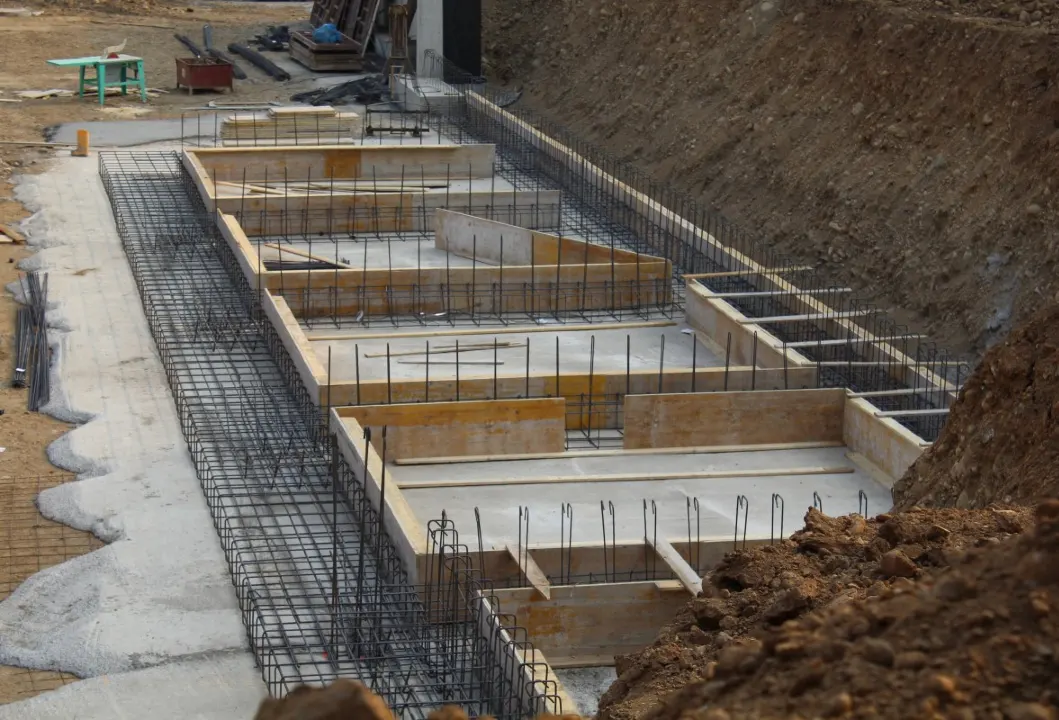
a house foundation under construction

Does Homeowners Insurance Cover Foundation Repair?

Standard homeowners insurance usually only covers sudden and accidental loss or direct physical loss. Damages that are typically covered by homeowners insurance include:

  • Destruction caused by interior or exterior explosions and fire
  • Specific natural disasters like heavy storms and wildfires
  • Sudden plumbing failures such as leaks and a burst pipe
  • Damage from a vehicle crashing into your property
  • Damage from falling objects like trees
  • Sudden intentional destruction of your foundation or vandalism

While homeowners insurance covers these damages, remember to regularly inspect your foundation and perform necessary maintenance for a safe and stable home.

people discussing homeowners insurance policy
discussing the foundation repair coverage of insurance

When Does a Standard Home Insurance Policy Not Cover Foundation Repairs and Damage?

Homeowners insurance usually doesn’t cover foundation damage such as:

  • Foundation issues caused by faulty construction or poor maintenance
  • Crumbling or cracked foundation due to natural settling or shifting soil
  • Damage from a natural disaster like flooding and earthquakes
  • Damage from normal wear and tear
  • Damage from tree roots impacting the foundation
  • Damage from pests and small creatures
  • Damage from soil erosion or other geological factors

While most home insurance policies don’t cover these instances, you may purchase extra coverage like earthquake and flood insurance.

How to File a Homeowners Insurance Claim for Foundation Repairs With Your Insurance Company

If you’re dealing with foundation issues and believe your insurance covers it, you need to file a homeowners insurance claim. To help you get your claims process started, we’ve put together a guide that can help you from start to finish:

Step 1: Assess and Record the Damage

Snap some pictures and record videos of your foundation problems from different angles. Keep them for documentation and for future reference.

Step 2: Review Your Insurance Policy

Review your paperwork and focus on details about foundation damage and covered perils. Doing so will give you an idea of what may or may not be covered by your specific insurance.

Step 3: Contact Your Insurance Company or Agent

For more clarification, you can contact your insurance company or agent and ask them about your specific situation. Let them know that you wish to file a claim for foundation repair.

Step 4: Schedule an Adjuster Visit

discussing the foundation repair coverage of homeowners insurance

Your insurance provider will send a claims adjuster to your home to take a look at your foundation damage. They will thoroughly evaluate the situation and try to pinpoint the cause of the issues. Be sure to be available and present during this inspection so you can answer any questions they may have.

Step 5: Review the Settlement Offer

Your insurance company will eventually provide a settlement offer. This proposal will tell you how much the company is willing to pay to cover the damages you’ve specified in your claim. Take some time to read it carefully and determine whether you’re happy with the offer.

Step 6: Schedule the Repairs and Hire a Contractor

Once everything’s settled, you can go ahead and look for a trusted foundation repair specialist in your area. Make sure the work is done to your satisfaction and keep all receipts and records.

Early Signs Your Foundation Has Problems

For your insurance to cover foundation repair services, it has to count as sudden and accidental damage. This means that any foundation damage that isn’t a covered peril by your home insurance is solely your responsibility to address. Acting fast when you notice any of these warning signs can help you avoid costly repairs and keep foundation issues from worsening over time.

a cracked brick wall due to foundation damage

1. Cracks On The Walls

Major cracks in your brick wall can indicate an underlying foundation problem such as settling, soil movement, and poor drainage.

misaligned window

2. Misaligned Doors and Windows

Window frames and door frames can become misaligned due to foundation concerns, making them difficult to open and close. In other cases, they also stick and drag during usage.

garage wall leaning

3. Leaning Garage Walls, Support Posts, and Chimney

When your foundation cracks or experiences any form of weakness and instability, it can manifest in places like your garage wall, support posts, chimneys, and attached structures like porches. An unstable foundation leaves the rest of your structure vulnerable, which can easily be seen in specific parts of your home.

damaged and uneven floors

4. Uneven and Sagging Floors

Uneven floors and sloping floors are other symptoms of a problematic foundation. This can be caused by a number of foundation concerns, including shifting and settling.

brick molding separating

5. Brick Molding Separating

Another sign of a failing foundation is brick molding separation. This separation can be a result of shifting or settling, which leads to misalignments in your structure. Expansive soils that swell and contract with inconsistent moisture levels, poor drainage, and temperature changes can all contribute to this issue.

Common Causes of Foundation Problems

Homeowners deal with many headaches when it comes to maintaining their property, but foundation problems can be a different kind of nightmare. This is because foundation issues can affect the structural integrity of your property, making it prone to further damage. The first step to preventing foundation issues is familiarizing yourself with the common causes of foundation problems that lurk beneath the surface.

  • Poor, Faulty Construction: Foundation damage can result from faulty construction and installation. When your structure’s foundation isn’t properly fortified from the beginning, it’s more likely to develop problems.
  • Expansive Clay Soils: When the soil underneath and around your foundation is improperly compacted or not pressed down firmly enough, they can compress under the weight of the structure it’s holding up. This can lead to foundation settling, cracks, and other structural issues.
powerlift foundation repair crew
  • Weather Cycles: Climate and temperature changes can affect the stability of your foundation and cause foundation damage. Dry months often lead to soil shrinkage while cool, wet seasons make the soil swell; both cases lead to foundation movement which can result in complications.
  • Large Tree Roots: Tree roots grow under your home and could impact your foundation, leading to extensive damage. To prevent this, avoid planting trees—especially large trees—near your foundation, or consider installing root barriers underground.
  • Poor Drainage, Leaks, and Water Accumulation: When your drainage system fails to properly divert water away from your foundation, it can lead to soil erosion, create hydrostatic pressure against the foundation walls, and lead to soil swelling. As a result, cracks, bowing, water damage, and foundation settling can arise. By improving your drainage system, addressing leaks, and adding gutters and downspouts, you can protect your foundation from damage.
  • Burrowing Animals and Other Pests: When these critters dig tunnels underground, they can disturb the soil surrounding your foundation, making it prone to damage and instability. They can also create gaps and pathways for water to seep into, leading to water damage and moisture issues.

Tips to Prevent Foundation Damage

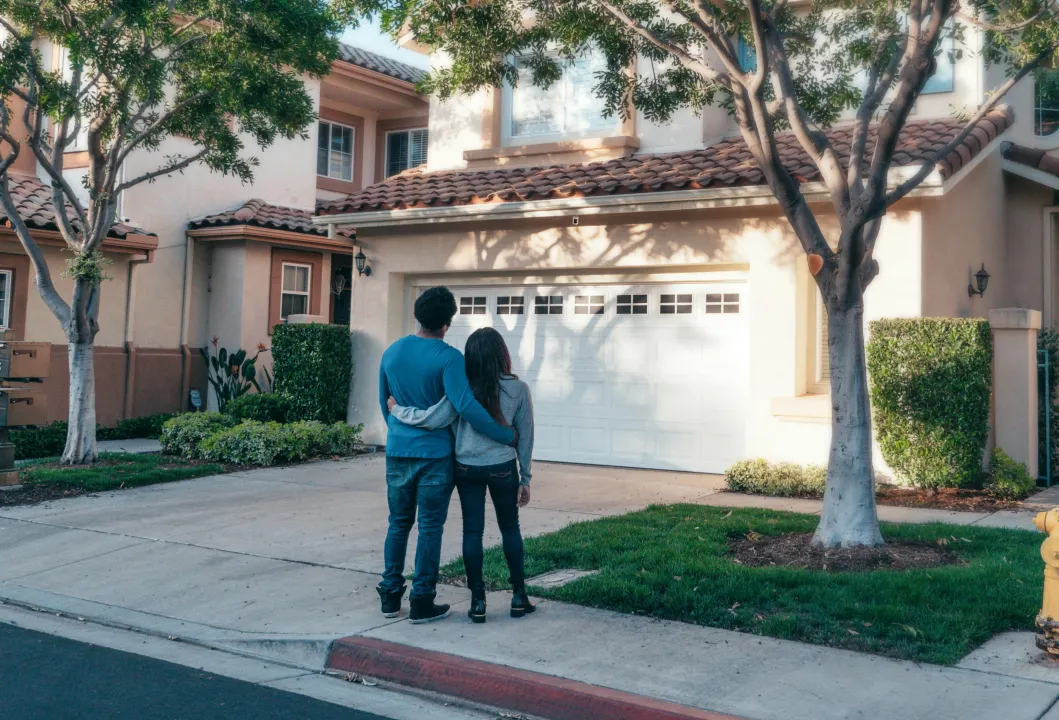
a couple standing before a house

Many homeowners can achieve a stable home by keeping their foundation in great shape. To avoid major structural problems, it’s best to have a regular home inspection so you can catch any issues early on and address them promptly. Even though your home insurance company may not cover all of your foundation repair needs, you can still save on repair costs by taking proactive measures to maintain your foundation’s health.

Powerlift Foundation Repair Can Help You Protect Your Home’s Foundation

free estimate with powerlift foundation repair

Powerlift has over 30 years of experience in the structural repair industry. Recommended by homeowners, engineers, architects, and real estate management professionals, we offer the most effective services in the industry, executed by only the most seasoned professionals.

Give us a call at 800-562-5438 for a free estimate and discover why we’re the leading foundation repair company in the United States!

Insurance Coverage for Foundations: Everything You Need to Know2025-04-04T08:53:01-05:00

How to Budget for Foundation Repair Costs for My Business

Breaking down the possible expenses for a solid foundation repair can be a daunting task for any business owner. After all, you’re looking at what can be a handful of costly repairs that definitely won’t be gentle on your wallet. Even though most property owners are aware that repairing and maintaining your foundation is a necessity, it doesn’t make the frustration of spending money any less bothersome.

Let’s go about this the right way: What you need is a careful examination of your foundation problems, a clear understanding of the services you’ll need to address these problems, and an experienced professional to assist you through it all.

Powerlift Foundation Repair offers a wide range of foundation repair services to residential and commercial property owners. Over the years, we’ve gained valuable experience and expertise in the field, allowing us to have a comprehensive understanding of the various processes from start to finish.

We’re eager to share our insights and walk you through the practical steps and considerations to help you prepare and budget for your repairs.

Analyze the Complexity of the Problem

foundation repairs by professionals

We will give you the estimated costs of repair projects, but ultimately, it all depends on the severity of your foundation damage. To pinpoint whether you need to prepare a few hundred dollars or a few thousand, it’s essential to know the specifics. Inspecting your property can give you an idea of what kind of issues you’re dealing with; it’s the first step to finding a permanent solution to your issues and eventually reinforcing your business’s structural integrity.

For instance, the foundation repair method will vary between property owners with extensive damage in their concrete slab foundation compared to those who only require basic repairs or a sump pump installation in their basement due to a poor drainage system.

Another example is the different expenses of someone with a severe case of a shifting foundation compared to those with minor cracks in their foundation walls. Be sure to determine the root cause of your foundation problem so it will be much easier to come up with an estimated cost to repair it.

To make things easier, we’ve put together a quick overview outlining the potential severity of repairs you might encounter while inspecting your foundation:

Minor Repairs

Minor issues include small cracks along your walls and floors, slight unevenness of sloping in floors, minor gaps around your doors or windows, and minimal leaks in your basement foundation or crawl spaces. Generally, minor issues like these can be resolved relatively easily and at a lower cost.

Moderate Repairs

Problems that may require a moderate repair method include wall cracks wider than 1/8 inch, misaligned doors and windows, bowing floors and walls, and noticeable water intrusion in your basement or crawl space. While moderate issues may require more extensive repairs compared to minor ones, they can be addressed efficiently without necessarily racking up expensive costs.

Major Repairs

These issues require prompt action: large, diagonal cracks or wide, horizontal cracks in the foundation or walls, a severe settling or sinking foundation, water damage and mold growth, and, in extreme cases, the complete failure of entire foundation parts, such as a crumbling foundation that could lead to structural collapse. These issues usually require more complex and comprehensive methods, which could translate to more significant expenses.

A General Overview: How Much Does Foundation Repair Cost?

the cost of foundation repair

Let’s start by tackling the big question: What makes a repair project for a foundation cost so much? There’s a list of different factors you should consider and keep in mind when budgeting for costs.

According to Forbes Home, the cost of repairing a foundation in 2024 ranges from $200 to $52,000, with an average cost of $5,400. That’s quite a broad range, so let’s break it down:

Type of Issue

For starters, the exact nature of your foundation problems also affects how much money you’ll have to spend on repairs. This includes matters like foundation cracks, leaks, bowing walls, foundation sinking, shifting, settling, or even the total replacement of your foundation. Ultimately, the overall cost of foundation repair projects depends on the severity of the issues that need to be addressed.

  • Foundation crack repair costs: $35-$1,000
  • Foundation leak repair costs: $2,000-$7,300
  • Sinking foundation repair costs: $5,300-$17,000
  • Curved wall repair costs: $4,300-13,000
  • Complete foundation replacement costs: $20,000-$100,000

Type of Foundation Repairs

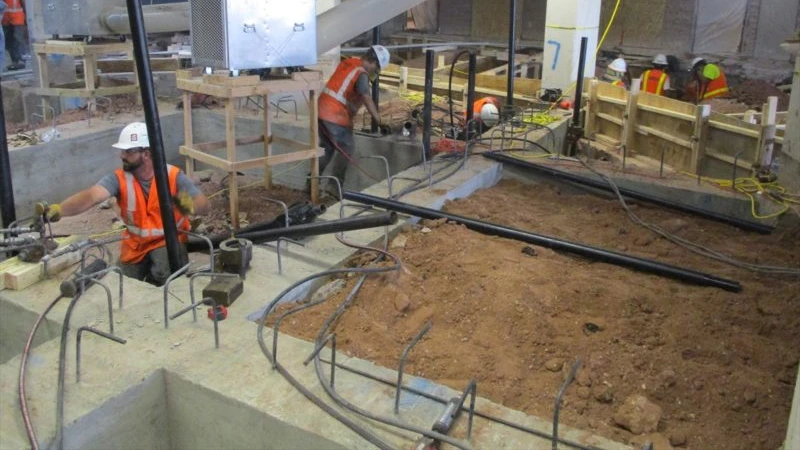
a foundation under construction

The type of foundation your property has can affect your costs. Whether you’ve got a slab-on-grade foundation, a crawlspace, a basement, or a pier and beam foundation, each type comes with its own set of repair methods with varying price tags.

  • Concrete foundation reinforcement costs: $4,300-$13,000
  • Mud jacking or concrete leveling costs: $3-$20 per square foot

Additional Expenses: Necessary Labor, Permits, and Materials

Lastly, on top of addressing the foundation problems themselves, there are additional factors to remember like labor costs, permits, and expensive materials like carbon fiber or steel reinforcement strips. Make sure to factor in these expenses when you plan your budget for your foundation repair project.

  • Labor costs: $45-$200 per hour
  • Materials costs: $1,000-$10,000

When Should You Hire a Foundation Repair Contractor?

hiring a foundation repair professional

Consider contacting a professional when you notice signs of foundation issues. Aside from the fact that promptly addressing your foundation problems can keep the issues from escalating, you can also get an estimate from a contractor by understanding the scope of work required and the associated costs. Even if you’re not sure if you really need repairs, speaking with a professional can give you clarity and peace of mind.

The Bottom Line

Your business’s foundation requires constant maintenance and repair to be able to function properly. Issues like cracks in the walls, doors, and windows that won’t shut properly, and uneven floors can escalate and worsen over time if left unchecked. So, when your foundation starts to show signs of wear and tear, make sure to reach out to foundation repair companies that can address your specific needs. They’ll get your foundation repair work on the road and restore it to its previous glory!

A thorough inspection from a trusted professional or an assessment from a structural engineer can help you get an estimate of your repair expenses. They can help you assess the situation and steer you in the right direction toward the necessary steps to ensure the health, stability, and integrity of your foundation.

Foundation Problems Specific to the Southwest Area

In the Southwest, foundation issues are a common headache for homeowners and business owners alike. The culprit? Our clay soil is prone to expanding and contracting depending on the weather. Whether it’s summer or winter, scorching heat and relentless rain impact the soil, resulting in foundation settlement, excess moisture, clogged drainage systems, and cracks in the foundation, among others.

Call Us for a Free Foundation Inspection!

Do you need an estimate for your foundation repair cost? Contact Powerlift Foundation Repair for a free quote! We know the Southwest areas like the back of our hands, so whether you need repairs for your business’s foundation or your business properties, we’ve got your back. We’re here to offer you services tailored to your needs at fair, affordable prices.

How to Budget for Foundation Repair Costs for My Business2024-11-18T12:41:25-06:00

What Happens When You Neglect Your Foundation?

By neglecting your home’s foundation, you fail to maintain and protect the backbone of your property. A well-maintained, solid foundation promises homeowners structural soundness. On the other hand, a neglected foundation runs the risk of not only compromising the structural integrity of your home but also diminishing your property value.

Due to various environmental factors, your foundation may inevitably develop problems over the years. This can affect your home’s interior and exterior and cause structural instability. Responsible property owners keep an eye out for common signs of foundation issues and make sure to address them before they lead to more problems, with each one more complicated than the last.

The Importance of Timely Foundation Repairs

foundation repairs by professionals

When foundation problems are left untreated, your home becomes vulnerable and susceptible to further damage. That’s why it’s important to regularly inspect your foundation. If you spot any issues, no matter how minor they may seem, it’s best to promptly resolve them with the help of a professional. By catching problems early on, you prevent them from escalating into more serious issues. This preventative approach keeps you from spending money on future repair costs and keeps the structure of your home intact.

Why Homeowners Neglect Their Home’s Foundation

Many homeowners are unaware of the importance of maintaining their home’s foundation. Additionally, many also fail to recognize the signs that point toward a compromised foundation. By the time they realize the bigger underlying issue related to their foundation, the damage has already worsened.

Another reason why homeowners tend to overlook their home’s foundation is that they prioritize other property upgrades. For instance, they put more effort into cosmetic upgrades or interior renovations because they can instantly see and enjoy the improvements.

Property owners may also simply assume that their foundations are strong and stable because there are no obvious or visible signs of damage. However, having an expert regularly inspect your foundation is still the best action to safeguard it in the long term. After all, it’s better to be safe than sorry!

Delaying Foundation Repairs Affects Its Structural Integrity

Untreated foundation issues can lead to catastrophic structural damage. So, while it’s tempting to delay foundation repairs because the issues don’t seem “urgent” enough, it’s important to remember that even minor foundation issues can eventually grow into a major problem that comes with a higher repair cost and extensive damage to your property.

Ultimately, the solution is to be proactive. Don’t let problems creep up on you; instead, stay vigilant and quickly address any issues.

The Impact of Foundation Problems on Your Home’s Structural Health

Several tell-tale signs can tell you if you have a damaged foundation. Most of the time, foundation damage manifests in various parts of your home, especially in walls, floors, windows, and doors. Whether you’ve just moved into a new place or have been living there for some time, keep an eye out for the following:

Damaged Walls and Floors: Crookedness, Cracks, Bulges, and Sagging

a cracked concrete wall

One of the most common signs that you may be in need of a foundation repair is visible damage to your walls and floors. If you notice a small crack in your wall or an uneven floor, you’ll want to inspect these issues more closely. Crooked floors, cracked walls, as well as bulging or sagging walls can be a result of foundation settlement, shifting, and instability.

Misaligned Doors and Windows

Have you ever had trouble closing and opening doors and windows? Suddenly, there are gaps around the frames, making your doors and windows inoperable. How does this happen? Well, these are more signs of possible foundation movement. When your foundation shifts from its original place, it causes a domino effect on the integrity of the rest of your structure, leading to misaligned doors and windows.

Water Intrusion and Mold Growth

When a foundation experiences issues like foundation cracks, settling, or shifting due to factors like soil erosion, it can create gaps where water can enter the building. In turn, this causes water damage and mold growth when water accumulates in closed, humid spots.

To protect your home and its residents, check your basement, ceilings, and air vents for any signs of dampness or moisture, and have them treated as soon as possible.

Neglecting Minor Issues Can Lead to Long-Term Foundation Problems and Costly Repairs

Here’s the bottom line: Overlooking the health and maintenance of your foundation will only lead to more problems in the long run. What were once minor foundation issues that could’ve been fixed by a simple repair project could become major problems. These issues will now require complex repairs and cost you a pretty penny.

As a property owner, it’s important to protect your foundation from further damage—don’t wait for it to get worse. Ensure the longevity of your foundation by taking preventative measures to address any signs of deterioration or instability, safeguarding your home’s structural integrity for years to come.

Schedule a Professional Foundation Repair

Are you looking for professionals who can assist you with your foundation needs? Powerlift Foundation Repair is an expert on commercial and residential foundation repair. Our years of experience have earned us the trust of numerous property owners across Oklahoma, Arkansas, North Carolina, and Tennessee. Give us a call at 1-800-562-5438 and receive a free estimate!

What Happens When You Neglect Your Foundation?2024-11-18T12:41:03-06:00

Buying an Old Home? 4 Common Tasks You May Face

When buying a home in or around Raleigh, North Carolina, some people look for the newest options on the market, while others are drawn to older homes with a more historic feel. Older homes are appealing for their unique architectural elements and their connection with history. However, these charming old houses can be expensive if you aren’t careful. Before making up your mind to buy an older home, we at PowerLift Foundation Repair want to make sure that you can handle these potential tasks:

Raleigh, North Carolina fixer-upper home

Major exterior work

You may be lucky enough to fall in love with a historic home that has been recently renovated, but you’ll most likely find one in “as-is” condition. This will likely cut a chunk off of the asking price, but also, it usually means that the home will be in need of some serious updating before it’s habitable. It isn’t uncommon for older homes to need new siding, new window shutters, a new roof, and even major landscaping work. All of these jobs will cost a significant amount of money, so make sure to have a contractor inspect the home and give you an estimate. This will allow you to gauge whether the lower price that you will pay for such a house is worth the work it’ll take to fix it afterward.

Major inside repair work

One of the tradeoffs of owning an older home is that you’ll probably have to do some major work to get the utilities running properly. Some homeowners end up having to pay a couple of thousand dollars to have their homes re-wired for electricity because they existing setup was dangerous; others will have to install HVAC systems to make the homes more comfortable in North Carolina’s sweltering summers. There’s also the plumbing and possible replacement of certain outdated features like the oven, stove, and shower. Consider how many of the updates would need to be done immediately and how many could be completed slowly over time to better manage costs.

Checking for dangerous chemicals

Today’s builders wouldn’t dream of insulating a house with asbestos or painting rooms with lead paint, but the home builders of the past wouldn’t have given it a second thought. If you’re thinking of buying an older home, you should have it inspected for any potentially dangerous building materials (especially if you have children or elderly tenants). Remember, it’s possible to get these things removed if you end up loving the home, but it could cost extra money.

Significant foundation work

A home’s foundation is important for its overall stability and habitability, and it isn’t uncommon for some older homes to need major foundation repairs. Foundation repair in Raleigh, North Carolina is very important, and should only be done by professionals (this should not be a DIY project). Have a home surveyor check your potential new home for foundation problems before you agree to purchase it. If you are set on the home but it needs repair, PowerLift Foundation Repair offers a surprisingly affordable way to do so. Call or contact us today to ask about our foundation repair services!

Buying an Old Home? 4 Common Tasks You May Face2024-06-14T12:24:58-05:00

Foam Lifting Concrete Slabs Rises In Popularity As Cost Effective Alternative To Other Methods

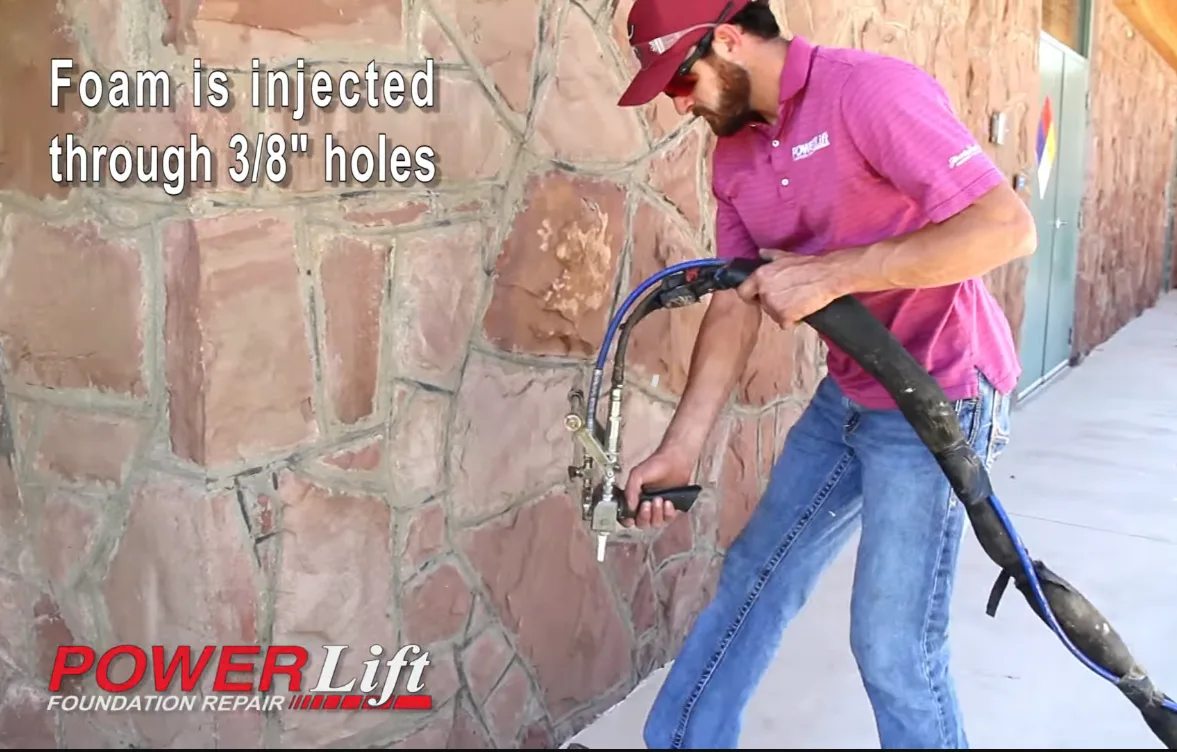
ADA, OK – PowerLift Foundation Repair’s method of high-density polyurethane foam injection lifting of sinking concrete slab surfaces is growing in popularity as a cost-effective and environmentally-friendly alternative to the traditional method of demolition and replacement, as well as other injection methods. This method has multiple applications in residential, municipal, and commercial markets, including, foam-lifting concrete slabs of sinking driveways, and sidewalks, in residential applications, and in municipal and commercial surfaces, like parking lots, roadways, and airport runways, etc. That makes, it a smarter, faster, stronger method of raising concrete slabs with many attributes:

Faster

Polyurethane concrete raising is 80% quicker than other injection repair methods. The material hardens in minutes, allowing repairs to be completed in hours instead of days and weeks of traditional methods. This rapid curing time of high-density polyurethane foam can allow public use immediately after the completion of the injection process.  Foam injection requires smaller injection holes of 3/8”, compared to 1”, or greater for alternative concrete lifting methods.

Smarter

Foam-lifting concrete slabs provide unsurpassed precision with an accuracy rate of 1/100th of an inch. Other repair methods must take shrinkage into consideration, but polyurethane foam expands and is more controllable with its quick drying characteristics. PowerLift’s material is specifically formulated to resist wet conditions, as its hydrophobic qualities repel water without compromising integrity.

Stronger

PowerLift’s polyurethane foam has a huge advantage over other materials, as it provides a solid dense void platform that permanently supports the slab, and its tensile strength and elongation allow it to be tough and pliable under heavy workloads. The foam has the unique ability to expand 20 times its liquid volume, which allows it to move laterally beneath pavement filling all voids and supporting the concrete slab with 100% coverage. Foam seeps into the sub-base of the concrete binding soil particles together, which strengthens the material base and creates an additional compounding effect during the lifting process and adds durability.

Smarter Weight

Unlike other injection methods, such as mudjacking grout, which can weigh down the sub-base by up to 100 lbs. per cubic foot, polyurethane foam only adds about 3 to 5 pounds per cubic foot.

Whether the application is raising a sinking driveway or sidewalk in a neighborhood, a highway section on the interstate, or a runway at an airport, high-density polyurethane foam is a faster, smarter, and more cost-effective, environmentally friendly way to get the job done.

Founded in 1986 in Ada, OK, PowerLift pioneered the foundation repair business. Their patented steel pier foundation systems continue to provide the most reliable repairs available today. The company has been a major contributor to the development of modern foundation repair techniques. With an A+ BBB rating, PowerLift has repaired over 25,000 residential, commercial, and industrial foundations in Oklahoma, Arkansas, Tennessee, North Carolina, and several other states. PowerLift has become the “Go-To-Company” for the most complicated commercial repair projects across the U.S. and does not consider any job too big or too small.

Foam Lifting Concrete Slabs Rises In Popularity As Cost Effective Alternative To Other Methods2025-09-05T05:30:45-05:00

What You Must Know About Foundation Repair

Foundation Repair Problems

Foundation repair problems can not only be come evident on the exterior of a structure, but also on the interior. Spotting foundation problems can initially be subtle, but over time, foundation issues on a structure can become a major issue.

There are three main things to look out for:

  • Foundation damage may be evident because you have settling or uneven floors.
  • Another tell-tale sign is windows and doors that no longer open and close the way they should. If you see wall separation from door and window frames, the problem could be your foundation.
  • Cracks in walls, molding, and exterior concrete also point the way to foundation problems. Look out for foundation cracks and basement cracks (including horizontal cracks in basement walls).

The good news is that Powerlift Foundation Repair can repair your foundation, whether you are needing residential foundation repair, or commercial foundation repair, Powerlift has not only a team of experts, but we have the professional equipment, backed by years of experience.

What Does Foundation Repair Mean?

While there are different kinds of foundation repair, the shared goal is to stabilize the foundation. A professional will choose the right method for the situation. Two of the main types of foundation repair are foundation piering and slabjacking.

Foundation piering takes care of shifting clay or soil and other issues beneath the foundation. Piers are driven into the ground to prevent further movement of the foundation. Slabjacking, on the other hand, will involve drilling into the foundation to strengthen it with a mixture.

Do I Need Foundation Repair?

Uneven floors, cracks, or windows and doors that stick don’t mean that all is lost. In the best-case scenario, you may even find that your house is settling.

Foundations moving is not the problem. One part of your foundation moving while another part does not, however, can lead to damage. If your house is settling, this is natural and you won’t require a foundation repair.

While it’s not all bad news, don’t leave the integrity of your foundations to chance. If you’ve seen basement cracks, foundation cracks, or any other signs of a foundation problem, heed the warning immediately. Ask for our professional, reliable advice.

If you need a foundation repair, we’ll tell you why. We won’t do anything without your agreement and you can rest assured that we can explain the situation. We will explore any disadvantages of particular techniques to help you make the best decisions for you and your property.

How Much Does Foundation Repair Cost?

The cost of foundation repair depends on many factors. These include the type and size of the property, the severity of the damage, and the ground involved. Costs vary so much that an average estimate is unlikely to be useful to you. The best thing to do is to give us a call so we can see the issue for ourselves.

Benefit from our experience and expertise onsite. We will work out a custom plan to tackle your foundation problem, if a problem exists. And we will openly discuss the cost of the solutions with you.

Although people tend not to think about the foundation until something goes wrong, it is the most critical part of your home. We want it to continue to do its job. To help you solve any issues before they become serious problems, give us a call straight away. We’re ready to serve you with our friendly customer service and our expert analysis and advice.

What You Must Know About Foundation Repair2020-01-13T00:30:55-06:00

A Busy Year for Foundation Repair in Oklahoma!

oklahoma foundation repairFoundation Repairs

Residential & Commercial Foundation Repair

Oklahoman’s may be headed for a long, hot, dry summer causing Foundation Settlement Havoc!  As the summer months heat up clay soils dry out causing millions of dollars in Foundation damage.  When clay soils dry out they shrink and provide less support for your Foundation.  Yes it is true hot dry summers take a toll on Foundation Stability.

When foundations settle you will see cracks develop in your Brick and Sheetrock!  Often times settlement problems cause cracks to develop in both concrete and wood floors.  When structures settle it can also cause doors to drag or stick, fireplaces will lean away from the structure causing large gaps to develop between your house and your fireplace.  You may hear your house creak or pop as settlement progresses, if you notice any one of these problems around your home you may need Foundation Repair.

When you need Foundation Repair in Oklahoma Powerlift is here for you!  We provide our Foundation Repair Services State wide, so whether your in Oklahoma City, Edmond, Moore, Norman, Ardmore, Ponca City, Enid, Ada, McAlester, Tulsa, Bartlesville, Broken Arrow, Durant, Lawton, Duncan, Altus, Woodward or anywhere else in Oklahoma, Powerlift Foundation Repair is your Foundation Repair Specialist.  Powerlift provides all the latest Repair techniques available.  Steel Piers, Helical Piers, pre-construction piers and Polyurethane Foam Injection and are just a few of the services we provide for all your Foundation Repair needs.

Do not be mislead by those guys who advertise a Cheapest Price Guarantee, they are cheap for a reason!  Pressed piles are cheaper but they simply do not work well in Oklahoma’s clay soils.  Engineers will tell you a deeper pier is a better pier!  Powerlift’s piers are driven to bedrock or a load-bearing strata providing long term support, we provide the most proven method in the Industry when Oklahoma clay soils shrink.

If you want the best pier in the market at an affordable and fair price, look no further!  Powerlift Foundation Repair is Oklahoma’s Foundation Repair Expert!  With over 30 years experience in providing first class Foundation Repair services in Oklahoma’s clay soils, we have hundreds and hundreds of satisfied customers.

Oklahoma Foundation Repair

Oklahoma City, Norman, Edmond and Enid
(405) 748-5438

Tulsa Foundation Repair

Tulsa, Broken Arrow, Bartlesville and McAlester
(918) 587-5438

Altus, Lawton and Duncan Foundation Repair

(580) 355-5900

Ada, Ardmore and Durant

 (580) 332-5438

For State wide Foundation Repair service call (800)-562-5438. 

Call PowerLift Foundation Repair TODAY and put your home back on a Firm Foundation.


A Busy Year for Foundation Repair in Oklahoma!2019-05-28T14:15:56-05:00

Edmond Sun features Power Lift Foundation Repair

By Van Mitchell – Edmond Sun

okc foundation repairRandall McCown starts his day in Edmond going to appointments and working his way south to Norman meeting with potential customers for Power Lift Foundation Repair.

And, during those meetings he echoes the same message that is a standard bearer for Power Lift.

“We have spent a lot of years being old-school,” he said. “We tell the truth. We do the best job. All the engineers recommend us. Our objective is to give our customers an honest and competitive evaluation. I will explain to you so that you understand what it means, what is happening and how we are going to repair it.”

Power Lift is one of the oldest and largest independently owned structural repair companies in the United States serving both residential and commercial foundation repair concerns for 30 years. Power Lift Foundation Repair headquarters are in Ada, Oklahoma.

Their services include the installation of hydraulically driven steel piers, helical steel piers, pressure grouting, masonry repair and many other structural repairs.

“Our reputation with homeowners, architects, engineers and property management professionals across the United States has been the strength for our continued growth and stability,” said Bill Bolin, President of Power Lift. “Our dedicated management staff, experienced pier installers, and state of the art equipment have kept Power Lift at the leading edge of advanced foundation repair.”

McCown said Power Lift serves customers across Oklahoma and nationwide.

“The reason that people call is that they have cracks in bricks, sheetrock, drywall,” he said. “It is due to the expansive clay soil that contracts when it dehydrates when it is dry or expands when it is wet.”

Power Lift’s foundation repair system is designed and engineered to raise and stabilize residential and commercial structures, providing the best possible results. Made with all new materials, Power Lift pilings offer extra strength and maximum corrosion resistance, as well as a lifetime guarantee.

“Most of the repairs are by utilizing engineering-approved deep steel piers to bedrock that repair the areas that are needed,” McCown said. “Power Lift sets the industry standard by providing the highest-strength patented steel pier system on the market.”

McCown said Power Lift has done a variety of work in Edmond for homeowners, realtors, builders, the City of Edmond, Othello’s and the University of Central Oklahoma.

Terry F.M. Hunt, President Mid-Plains Electric Co., Inc. praised Power Lift in a letter for work the company did on his daughter’s home.

“I met with four different foundation repair companies to get prices to fix my daughter’s house in Stillwater,” Hunt wrote. “While you were not the cheapest, it was clear-from the start who was the most knowledgeable and professional. I have never seen a crew work so hard and get along with each other so well. Moreover, it was the informal, prompt and enthusiastic approach to getting the job done that we appreciated.”

McCown said Power Lift has worked hard to build a reputation that is trusted by homeowners, builders, realtors and engineers alike.

“For over 30 years, we have trained and assembled the largest team of professional installers and design specialists in the country,” he said. “We built a reputation with engineers, builders and realtors. Our call back ratio is less than one percent.”

For more information about Power Lift call (405) 748-5438 or visit www.powerliftfoundationrepair.com

Edmond Sun features Power Lift Foundation Repair2018-01-17T17:32:35-06:00
Go to Top