Natural Disasters

Flash Flood Risks for Foundation Safety

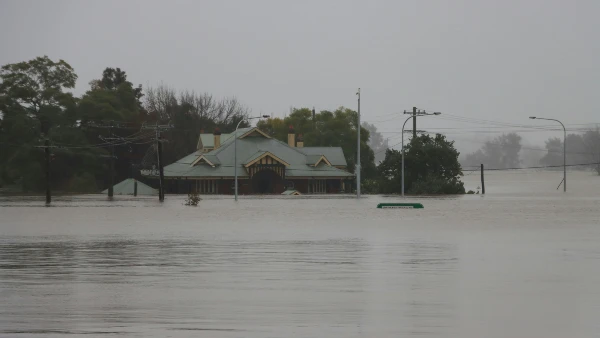
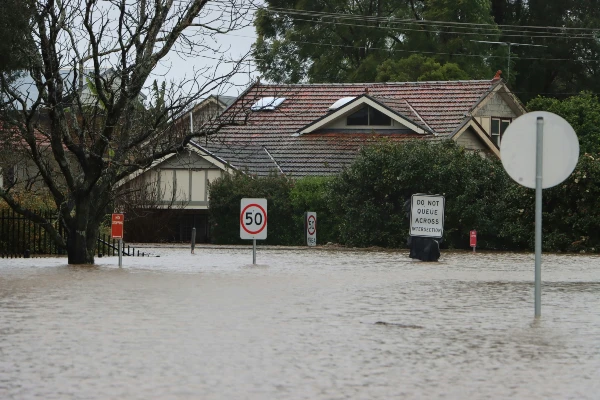
In 2024, North Carolina experienced 67 flood-related fatalities. States like Oklahoma, Arkansas, Tennessee, and Arizona are also prone to flash floods, especially during heavy rainfall or rapid snowmelt. According to the National Weather Service, flash floods are one of the more serious weather-related concerns nationwide, and aside from being dangerous for people, they’re also a serious threat to your foundation.

Powerlift Foundation Repair takes foundation safety seriously, so below, we’ll talk about the specific flash flood risks for foundation stability. This includes how flash floods affect different types of foundations, flood-related hazards to watch out for, and how to keep your home or building standing strong.
Flash Flood Risks for Foundation Safety

10 Ways Flash Floods Can Damage a Foundation

1. Washed-Out Soil Beneath the Foundation

When a flash flood hits, the ground around your home gets soaked. But the real issue happens when fast-moving water washes away the soil that holds your foundation up. Suddenly, parts of your home don’t have solid ground beneath them. For homes with slab foundations, especially in Oklahoma and Arizona, that means cracked concrete, tilting, and sections of the house literally sinking. Additionally, once the soil’s gone, it will take serious stabilization work to put things right.

2. Pressure Buildup Against Basement Walls

Flash floods bring water to the ground, and that water starts pressing against your basement walls from all sides. It’s called hydrostatic pressure, and it can cause those walls to bulge, crack, and in extreme cases, cave in. The pressure doesn’t go away once the rain stops, either. It stays in the saturated soil for days or even weeks. This is especially common in North Carolina and Tennessee, where basement homes are more popular.

3. Heaving Clay Soils

Certain parts of Tennessee, Arkansas, and North Carolina have clay-rich soil that swells when it gets wet. And during a flash flood, that soil expands fast and puts uneven pressure on your foundation. Some parts of the house might rise slightly while others stay put, which is how you end up with broken tiles, cracked drywall, and door frames suddenly going crooked.

Homes with crawl spaces or slabs are both affected here. It’s all about what’s underneath the foundation, and clay doesn’t do well with water.

4. Standing Water in Crawl Spaces

Homes with crawl spaces, especially older ones across Arkansas and Oklahoma, are magnets for floodwater. If water makes it under your house and stays there, you’re looking at a breeding ground for mold, rotting wood supports, and softening soil. The wood holding up your floor joist and beams starts to sag, and it can start to give out entirely.

5. Hairline Cracks That Turn into Bigger Problems

Concrete expands and contracts naturally, but in the face of flash floods, the tiny cracks in your foundation can quickly grow into major structural issues. As water levels rise and water seeps in, it erodes material from the inside out. Once the crack widens, it allows even more water in, setting off a vicious cycle.

These cracks aren’t always obvious at first. They might be in the corners of your garage, behind appliances, or under carpeting. But over time, you’ll notice things like uneven floors, wall cracks, or gaps at the baseboards.
river flood waters

6. Hidden Mold and Mildew Damage

After a flood, your house might dry out on the outside. However, under the surface, moisture sticks around. Mold and mildew can grow in damp, dark places like crawl spaces and basements. Once they show up, they start eating away at wood, insulation, and anything organic they can find. Worse, that mold gets into your home’s air.

Besides the health risks, mold can quietly weaken the structural parts of your home. Floor joists, beams, subfloors—if they’re moldy, they’re not doing their job.

7. Foundation Coatings Getting Worn Away

Some foundations are sealed with a waterproof coating, but that doesn’t usually last forever, especially after a long flash flood. If the water rushes in hard enough, it can chip away or wear down that protective layer, leaving your home vulnerable to leaks. You might not even notice it until months later when the next heavy rainfall rolls in and your basement feels damp again.

Keeping that waterproof barrier intact is important, but most homeowners don’t realize it needs regular checks until it’s too late.

8. Foundation Walls Pushed Out of Alignment

The force of rushing water can push against your foundation hard enough to shift it. This is more common in older homes with cinder block or brick foundations, especially in flood-prone areas like parts of rural Arkansas or low-lying areas in Tennessee.

You might see this as gaps around your chimney, doors that won’t latch, or windows that suddenly don’t sit square in the frame. Those are signs that the structure underneath your home has been nudged off balance.

9. Drainage System Failure

Many homes have drainage systems like French drains or sump pumps that are designed to move water away from the foundation. But during a flash flood, these systems can get overwhelmed, or worse, fail completely. Clogged pipes, broken pumps, or just too much water at once mean the water has nowhere to go, sending it pooling right next to your foundation. This is where the problems start.

Even if your drainage system worked fine last year, it might not be ready for the next record-breaking storm.

10. Water Meets Wires: Electrical and Structural Risk

If a flash flood causes flood waters to reach electrical boxes or wiring inside your basement or crawl space, you’ve got a potential fire hazard or electrocution risk on your hands. Water can damage the wiring insulation, trip breakers, and compromise outlets.

Foundations affected by water and electricity together often require both structural and electrical repairs.

What Can You Do to Prevent Foundation Trouble During Flash Floods?

Flash floods are unpredictable, but you can make sure your house is better prepared for them if they do come. These are some of the smart moves you can make before the next flash flood rolls in:

  • Prioritize proper grading: The soil around your house should slope away from the foundation. That way, rainwater naturally drains off instead of pooling next to your walls.
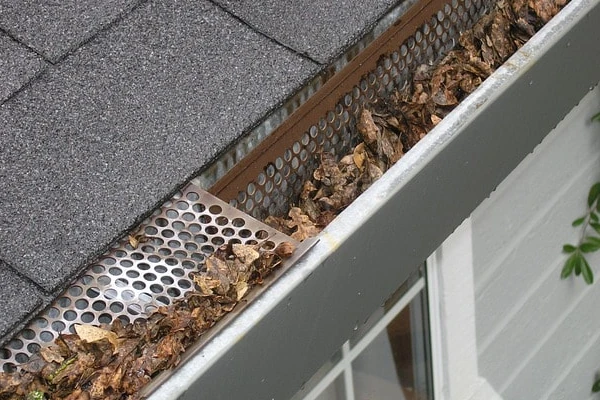
  • Keep your gutters and downspouts clean: If leaves or debris clog them up, all that water ends up spilling over the sides and soaking the base of your house. Your downspouts should stretch several feet away from your foundation.
flooded neighborhood
  • Waterproof the foundation: You can add sealants to the walls, install a vapor barrier in the crawl space, or put in a sump pump system. Some homes benefit from outside drainage systems like French drains, which redirect water underground before it causes a problem.
  • Inspect and repair small cracks early: A little crack in the concrete can worsen, especially after flash floods. We recommend having a professional check them out.
  • Consider raising utilities: If your water heater, furnace, or electric panel is in the basement or crawl space, talk to a contractor about raising them up out of flood range.

What to Do If You Suspect Foundation Damage After a Flash Flood

If you just made it through a storm and you think you might be dealing with foundation issues, act fast. The sooner you address them, the better your chances of fixing the issue before it worsens.

  1. Check for obvious signs. Look for things like water in the basement, cracks in the walls or floors, musty smells, or strange noises like popping or creaking from the floors. Check both inside and outside.
  2. Document what you see. Snap some photos, make a few notes, and if you have homeowners insurance, start a claim. Having proof of the damage helps later.
  3. Call a professional, like Powerlift Foundation Repair, for residential foundation repair services. We’ve been working on properties across Oklahoma, Arkansas, North Carolina, Tennessee, Arizona, and surrounding communities for decades. If foundation-related issues occur, tell us your location and we’ll send someone out to inspect the situation. Then we’ll let you know what needs to be done to repair your foundation.

Other Reminders to Keep in Mind

Flash floods might hit fast, but the effects can last a long time, especially on your home’s foundation. While we’ve already talked about direct damage to your structure, there are other things to keep in mind, especially if you live in high-risk areas that deal with unpredictable weather, shifting land, or inconsistent rainfall. These reminders can help you make smarter choices and avoid surprise repairs later.

1. Flash Flooding Can Happen Almost Anywhere, Not Just Near Rivers

People often assume flood risk only applies to people living near big rivers or the coast, but that’s not always the case.
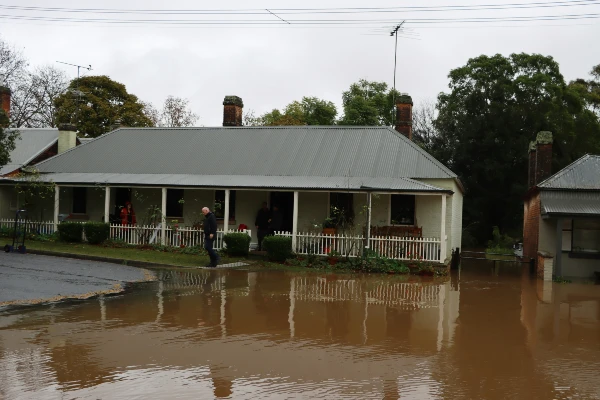
flooded house and street

Flash floods can happen in urban areas, rural areas, mountainous areas, and even neighborhoods that haven’t had major floods before.

According to FEMA flood maps, many places across Oklahoma, Arkansas, Tennessee, North Carolina, and Arizona are classified as special flood hazard areas. If your property falls into one of these zones, it likely requires flood insurance through the National Flood Insurance Program.

2. Even a Short Period of Rain Can Potentially Do Major Damage

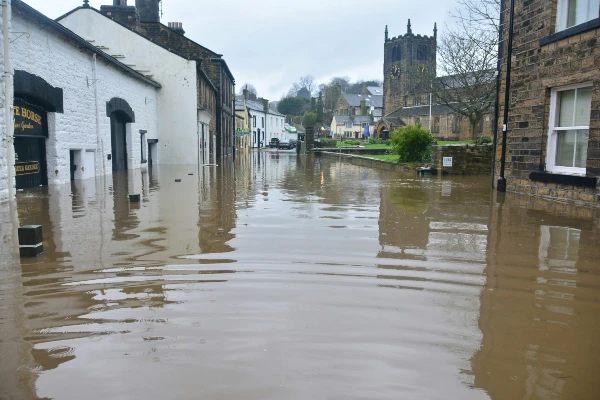
A single afternoon of heavy rains, especially in a short period, can cause shallow flooding that weakens your soil and pushes water into your crawl space or basement. In urban areas, all that water has nowhere to go because of concrete and pavement, while in rural areas, the land may not have the proper grading or drainage systems to handle it. Both situations can lead to water pooling at the base of your home, and that’s where foundation issues begin.

3. Drought Followed by Rain Can Be Troublesome

Long stretches of drought actually make your foundation more vulnerable to damage. Dry soil pulls away from the base of your house, creating gaps. Then, when a sudden tropical cyclone or thunderstorm rolls through with heavy rains, that dried-out soil can’t absorb it fast enough. Water rushes in, finds the lowest points, and causes movement. This can put uneven pressure on your foundation walls.

4. Pay Attention to the Landscape Around You

Your home’s elevation, distance from water sources, and soil type all affect how well it stands up to flash floods. Homes built near lakes, rivers, or on low-lying land are especially vulnerable, as are properties located near old dams or levees. In rare cases, dam failures during heavy storms have caused extensive damage miles downstream, even in places not considered high risk.

If you live near the coast or in coastal areas, be aware of storm surge and coastal flooding, which can flood roads and homes even before the rain starts falling. This type of water damage is especially dangerous because it mixes saltwater with freshwater, which can corrode building materials and speed up foundation breakdown.

And don’t assume your risk is low just because your area isn’t labeled extreme. Many places fall into a moderate risk category, and floods still happen there.

5. Stay Tuned In and Plan Ahead

Flash flood warnings are based on real-time data pulled from ground sensors, radar, and river gauges. If local officials issue a flood watch or warning, listen. Pay attention to expected rainfall amounts, especially in areas near river flood zones or steep terrain.

And if you or a family member needs necessary medical care, plan for it in advance, as flooded roads can delay emergency services by hours.

Dealing With Flood Damage? Powerlift Foundation Repair Can Help

Intense storms and flash floods don’t just come and go—flood events leave behind a trail of problems and potential structural damage. And with climate change, the weather has only become even more unpredictable. If you’re worried that your location and surrounding areas are at risk of flooding, we can help you keep your home storm-ready, and we can also help bring your foundation back to its former glory after receiving storm damage.

Visit our website or contact us here to get started!
Flash Flood Risks for Foundation Safety2025-06-12T10:48:52-05:00

What You Need to Know About Hurricanes and Foundation Safety

Powerlift Foundation Repair‘s comprehensive guide on hurricanes and foundation safety aims to help homeowners stay safe during hurricanes while also protecting their home’s foundation. We’ve seen the kind of damage hurricanes can do under the surface (and the costly repairs that come with them), so we’re here with everything you need to know about protecting your home before, during, and after the storm.

What to Do If a Hurricane Damages Your Foundation

Once the strong winds have calmed down, the rain has stopped, and there are no more flying debris in the wind, we recommend checking for foundation damage so you get an idea of the potential repair costs (if any).

Hurricanes and Foundation Safety

1. Check for Visual Signs of Trouble

Start with the basics. Walk around the outside of your home and look for cracks in the foundation. Are they new? Are they bigger than they were before? Afterward, go to your interior rooms and look at the walls, floors, and ceilings. Some signs that something might’ve shifted underneath include doors that don’t close like they used to, windows that stick to the frame, and sloping floors.

2. Take Photos of Everything

Take clear pictures of every crack, gap, or spot that seems to have issues. That’s your record. It will help when you talk to your insurance company, or if a contractor needs a quick look at what’s going on.

3. Don’t Try to Patch It Yourself

YouTube has a video tutorial for everything, but damage to your home’s foundation due to powerful storms isn’t the kind of thing you want to tackle by yourself. A hairline crack might not seem like much, but patching over it without fixing the root cause can lead to further damage and make things worse later. This is a job for professionals who know how to check the soil, measure the shift, and properly improve the structure’s overall stability.

4. Call a Foundation Specialist

Reach out to someone who deals with storm-related damage often, like our crew at Powerlift Foundation Repair. We’ll do a thorough inspection after the hurricane, tell you our findings, and recommend the right, long-term fix for your specific foundation and soil type.

Proactive Ways to Protect Your Foundation

Hurricane-force winds and rain are unfortunately unstoppable. However, you can make your home tougher against the damage they bring. These steps aren’t foolproof, but they go a long way in keeping your foundation out of trouble.

1. Grade Your Yard Properly

Water should always flow away from your house. The soil around your foundation should slope downward so rainwater moves out and away instead of pooling near the slab or crawl space

2. Install a French Drain or Drain Tile System

If your yard tends to hold water after storms, talk to a contractor about drainage solutions like French drains or underground pipes. They help direct water away from your house and reduce pressure against the foundation walls.

3. Keep Your Gutters and Downspouts Working

Gutters that overflow send water straight down to your foundation. Make sure they’re clear of leaves, and that the downspouts extend at least 4-6 feet away from the house.

4. Waterproof Your Basement or Crawl Space

This can mean applying waterproof coatings, installing a sump pump, sealing foundation cracks, or even using vapor barriers. The goal is to keep water out before it has a chance to accumulate and cause water damage.

Safety Precautions Before, During, and After the Storm

Protecting your family and property from destructive forces like hurricanes starts with a solid plan. Hurricanes don’t always hit with much warning, so it helps to prepare ahead of time. Below, Powerlift Foundation Repair has prepared a combination of safety tips and proactive steps that property owners can take to protect their foundation:

1. Before the Storm

  • Check your home’s surroundings and clear any debris or items that can turn into flying hazards.
  • Make sure your gutters are clean so water can flow away from the house.
  • If you live in an area where flooding is common, consider adding sandbags or barriers around your foundation.
  • Store important documents in waterproof containers and make sure you know where your shutoff valves are (for gas, water, and power).
  • Make sure your cell phone is fully-charged, or that you have a way to charge your device if you ever need to (for example: a fully-charged power bank).
  • If local authorities advise you to evacuate, then do so right away.
gutters clogged with dry leaves

2. During the Storm

  • Make sure you’re in a safe place—a spot where the hurricane’s powerful forces can’t easily affect you.
  • Stay inside and away from windows.
  • Avoid going into the basement or crawl space during active flooding or high winds.
  • Unplug electronics and shut off power if it’s safe to do so.

3. After the Storm

  • If you were advised by local officials to evacuate, then wait for their confirmation that it’s safe for you to return home before doing so.
  • Be cautious when walking around the property. Floodwater can hide debris or sharp objects.
  • You might be tempted to clean up right away, but doing so when you’re not physically up to the task can increase the risk of medical issues like heart attacks and heat strokes. If you really need to clean up, make sure you do it without overexerting yourself.
  • Determine essential repairs that you’ll need to arrange.
  • If you’re dealing with urgent, catastrophic damage to your foundation and house, call for professional help immediately.

You can find plenty of other resources about hurricane safety online, including the American Red Cross’ Hurricane Preparedness Checklist.

How Hurricanes Affect Different Types of Foundations

Hurricanes can wreak havoc on all types of properties and cause all kinds of foundation issues. But how that damage shows up ultimately depends on the kind of foundation you have.

1. Slab-on-Grade Foundations

Slab foundations are built right on top of the soil with no crawl space underneath, so they’re usually low on the ground. That’s great for stability, but it can be vulnerable to flooding. Heavy rain during a hurricane can affect the soil conditions beneath the slab, leading to issues like soil erosion, foundation cracks, and foundation settlement. Even if you don’t notice it right away, the potential damage caused by hurricanes can build as time passes.

One thing to watch for: If water starts pooling around your house and doesn’t drain fast enough. You could end up with pressure against the slab that pushes it out of alignment.

slab-on-grade foundation (2)

2. Crawl Space Foundations

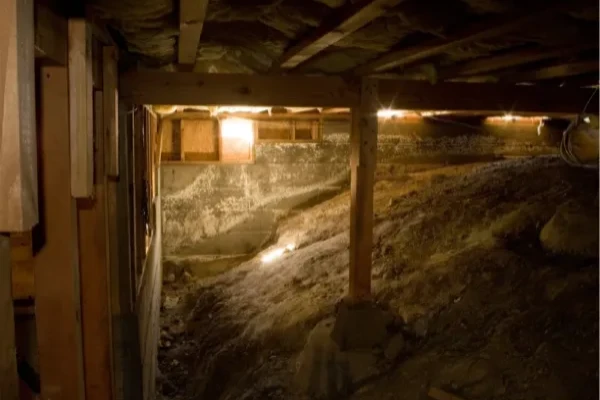
Properties with crawl spaces sit a little higher off the ground, which helps with ventilation and moisture control—at least under normal circumstances. But once a hurricane rolls through and dumps several inches of rain in a short amount of time, that crawl space can accumulate water.

The problem isn’t just the water level, either. It’s what the water does. It can soften the soil and cause the support piers to shift. If the wood beams under your house soak up moisture, they can start to rot, sag, or twist. That leads to creaky, uneven floors, water damage, and in serious cases, compromised structural integrity wherein parts of the house can sink.

Additionally, if you get mold down there, that can also cause a host of other problems. Mold growth happens fast in dark, damp crawl spaces, and once it gets into your air ducts, you’re breathing it in.

crawl space foundation

3. Basement Foundations

If your home has a basement, you’ve got another set of things to think about during hurricane season, especially if the hurricane brings storm surges and torrential rain with it. Basements are magnets for water, and if you’re not careful, you might end up with foundation problems.

Once the soil around your basement gets waterlogged, the pressure on the walls builds up. That’s how you end up with bowing walls, leaks, or cracks that widen as time passes. It’s important to check your basement and sump pump (if applicable) after heavy rainfall and other natural disasters.

basement foundation

Commonly Asked Questions About Hurricanes and Foundation Safety

Even if it doesn’t hit hurricane wind speeds, a tropical storm can still deliver massive amounts of rain in a short amount of time, and that’s usually where the trouble starts for your foundation. Water saturation around the base of your home can cause soil to shift, settle, or wash away. If that pressure builds up unevenly or sits too long, it can compromise your foundation.

Storm surge is a sudden rise in sea level pushed inland by strong hurricane winds. It tends to affect coastal areas more than inland towns, but if you’re anywhere near a river or large body of water, the effects can still reach you. The main issue with storm surge is the sheer force and volume of water, as it can flood areas that usually don’t flood, leaving standing water for hours or even days, which puts pressure on your foundation. Regular rainfall, while still a concern, usually causes damage over a longer period of time.

As soon as it’s safe to go outside, you can walk around your home and check for visible signs of trouble (e.g., cracks in the concrete, gaps between bricks, bulging basement walls, signs of soil erosion). The sooner you determine a problem, the easier it is to address it. That said, some damage doesn’t show up right away. So, it’s a smart idea to schedule a professional foundation inspection after a big storm, especially if you noticed flooding around your home.

Flooding is one of the most common ways foundations get damaged during a hurricane or heavy storm. When the soil around your home becomes saturated, it can expand or become unstable. That puts pressure on the foundation walls and can lead to cracking or shifting. And if the water starts seeping into crawl spaces or basements, it can weaken the structure from the inside out. Even slab foundations, which don’t have basements, can be affected if the water undermines the soil support underneath.

Carbon monoxide poisoning is a potential issue that many people don’t know about. After a hurricane knocks out power, many people turn to portable generators for backup. If those generators are placed near the foundation (especially near crawl space vents, basement windows, or HVAC inlets), carbon monoxide can leak inside and build up. This invisible gas is deadly and can sneak in without you knowing. That’s why it’s crucial to never run a generator in or near an enclosed space. If your foundation has cracks or vents near the ground, it’s easier for carbon monoxide to slip inside.

Reach Out Before Small Problems Get Bigger

If your home took a hit from a hurricane, or you’ve noticed signs that something’s not quite right underneath, reach out to Powerlift Foundation Repair to learn about our residential and commercial foundation repair. We can help prevent water damage, repair existing foundation issues, or improve your foundation’s overall protection.

Give us a call at 1-800-562-5438 or get a free quote!

What You Need to Know About Hurricanes and Foundation Safety2025-05-26T10:14:03-05:00

Tornado Damage to Foundations: Signs, Risks, and Solutions

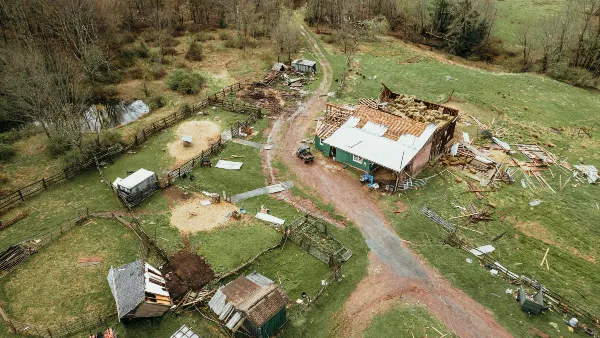
Tornado damage to foundations isn’t something to be overlooked. In places where storms and tornadoes often hit, it’s important to know how to keep your home’s foundation safe and strong. Powerlift Foundation Repair is here to discuss the specific ways tornadoes can affect your home’s foundation, what signs to look out for, what types of foundations are most at risk, and what can be done to fix the damage.

What Tornadoes Can Do to Your Foundation

Most people think of tornadoes as windstorms—and they are—but they come with a lot more than just high winds. In fact, tornadoes can trigger serious ground vibrations, sudden changes in air pressure, flying debris impacts, water saturation, and soil erosion. All of these things can affect your foundation and even cause structural damage.

Tornado Damage to Foundations

Even if your house is still standing tall, the foundation might be cracked, shifted, or compromised in ways you can’t immediately see. Once that happens, the problems only pile up from there. Walls start to lean, floors get uneven, doors won’t shut right, and the structural safety of your home can go downhill fast.

That’s why a thorough inspection by a pro after a tornado, storm, or high wind event is not something to be skipped.

Signs of Foundation Damage After a Tornado

After a tornado, you could be dealing with hidden damage that can be hard to find if you don’t know what to look for. Protect your home’s foundation by being proactive and looking for these signs:

1. New Foundation Cracks (Or Worsening Ones)

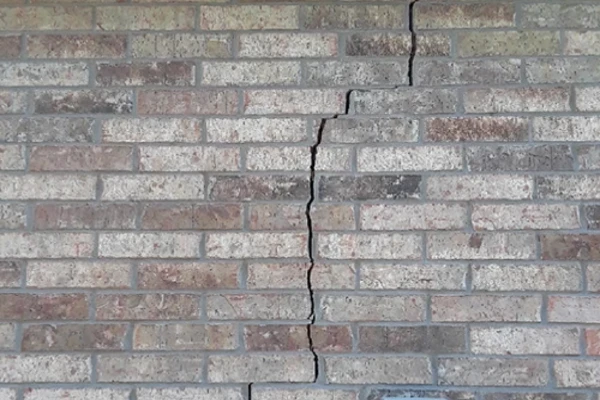
Check your walls, floors, ceiling, and the exterior of your foundation for visible damage and new cracks. In many cases, these aren’t just cosmetic. Long vertical cracks, jagged horizontal ones, or spiderweb cracks near windows and doors can all signal that your foundation has shifted or settled unevenly. It’s best to get a professional to take a look at it to find out the true extent of the damage.

cracks in brick exterior

2. Compromised Doors and/or Windows

If your doors and windows aren’t functioning normally anymore (you’re suddenly having a hard time closing and opening them), that could be a sign of issues with the structure or foundation movement. Tornadoes can warp the frame of the building, and your doors and windows are often the first to show it.

3. Sloping or Uneven Floors

A floor that feels off-balance or slanted may point to foundation issues, especially in pier and beam or crawl space foundations, where shifting support can lead to bouncy, sagging, or uneven floors.

4. Gaps Where There Weren’t Any Before

Keep an eye out for gaps between walls and ceilings, between walls and floors, or even between your chimney and the siding. These gaps can indicate that part of your house has shifted position due to foundation damage.

5. Moisture Where It Shouldn’t Be

If you find water in your basement or crawl space after heavy rain or a tornado, it could mean the foundation cracked or that hydrostatic pressure has built up in the soil, forcing water through the walls or slab. Without addressing this issue properly, you could end up with issues like moisture and water damage.

Types of Foundation Damage Caused by Tornadoes, and What to Do About It

In this section, we’ll go over the different types of foundation damage usually caused by tornadoes, per foundation type. We also included some of the most common services or repairs you should look into if you find yourself facing these issues.

1. Slab Foundation Damage

Tornadoes mainly cause damage to slab foundations in two ways: by shifting the soil underneath and by direct impact. Slab foundations are sturdy, but they rely heavily on consistent soil support. Tornado-induced erosion or washout can leave parts of the slab naging with little support underneath.

Damage to watch for:

  • Cracks in the slab itself, often visible in the garage, basement, or exposed solid concrete areas.
  • Movement caused by water saturation. Tornadoes often bring heavy rainfall that can flood the soil, leading to slab settlement or upheaval.
  • Debris impact can directly chip or crack areas of exposed slab, especially near corners.

Services you might need:

  • Slab jacking (mudjacking or polyurethane foam injection): This process lifts the settled slab back into its normal place.
  • Underpinning: Steel piers are driven deep beneath the building to give solid support where the soil has failed.
  • Crack sealing: For minor cracks, epoxy injections may be used to restore strength and keep out water.

2. Pier and Beam Foundation Damage

Pier and beam foundations are elevated, which offers some flood protection. However, they can be particularly vulnerable to wind uplift and moisture intrusion.

Damage to watch for:

  • Tornado winds can lift a home slightly off its piers, even by a small amount, and that’s enough to cause serious misalignment.
  • If water pools underneath the crawl space (this is common after heavy tornado rain), wooden beams can rot or warp, and piers can shift in wet, unstable soil.
  • Torn or displaced skirting or insulation in crawl spaces.

Services you might need:

  • Re-leveling: Adjusting and re-shimming the beams to get everything back to level.
  • Pier replacement or reinforcement: If piers have shifted or sunk, they may need to be replaced or stabilized with concrete or steel supports.
  • Crawl space drainage and ventilation: Adding sump pumps, vapor barriers, or property ventilation to prevent future moisture damage.

3. Basement Foundation Damage

Compared to other types of foundations, basement foundations are more protected from wind forces. However, they need to be checked quickly after storms to avoid mold growth and structural decay.

Damage to watch for:

  • Tornadoes can dump inches of rain in minutes. This overwhelms drainage systems and can cause water to leak through basement walls or even pool on the floor.
  • Cracks in poured concrete basement walls, especially horizontal ones, can signal major stress or soil pressure shifts from the storm.
  • Bowing or bulging walls from saturated soil pressing inward.

Services you might need:

  • Wall anchors or braces: These stabilize and straighten walls that have bowed inward.
  • Interior drain tile systems: This helps move water out before it can pool and cause trouble.
  • Exterior waterproofing: Adding drainage layers and waterproof membranes on the outside of the basement wall to keep rainwater out.

Act Fast to Prevent Further Damage

A small crack might not seem like a big deal after a tornado, but without thorough inspection and repair, it can spread, deepen, and allow water in. Shifts in support beams can cause walls and roofs to misalign. And those little gaps might open wider and cause issues.

Even the subtlest damages caused by tornadoes can be dangerous. If you notice potential problems or have any concerns after a tornado, it’s better to call our professional team and experience the PowerLift advantage!

powerlift foundation repair staff and clients

What You Can Do Before the Next Extreme Weather Event Hits

We’re listing some preventive measures to help you keep your home or building tornado-safe and prepared for storm season:

  1. Make sure your gutters and drainage systems are working well to move water away from your foundation.
  2. Inspect and maintain crawl spaces and basements regularly to check for signs of moisture or shifting.
  3. Consider anchoring your home (especially pier and beam homes) with tornado straps or anchors to reduce uplift risk.
  4. Have your home’s foundation inspected every few years, especially if you live in an area with a history of storms.

Schedule an Inspection With Powerlift Foundation Repair Today

Tornadoes leave chaos behind; don’t let that chaos settle into your foundation. If you’ve been through a storm and you’re seeing cracks, uneven floors, water intrusion, destroyed structures, or anything that doesn’t seem right, don’t wait to schedule the essential repairs.

At Powerlift Foundation Repair, we help homeowners keep their family and property safe with expert foundation services. Our team can also guide you through the claims process with your insurance company and help with other concerns.

gutters clogged with dry leaves

Visit our website or contact us via mobile. Home safety should always be a priority, and we help you achieve that with reliable foundation services!

Tornado Damage to Foundations: Signs, Risks, and Solutions2025-05-26T10:33:19-05:00
Go to Top