Natural Disasters

Winter Freeze and Foundation Risks: Protecting Your Home This Season

When winter sets in, most homeowners think about keeping the house warm, preventing frozen pipes, and clearing ice from the roof and gutters. What often gets overlooked is how the cold impacts the ground beneath the house and what that means for the foundation. At Powerlift, we have seen time and again how winter freeze and foundation risks go hand in hand. Your home’s foundation is strong, but freezing temperatures and shifting soil can create problems that you will not want to ignore. Essentially, the combination of cold weather and water causes the soil to expand and contract, which is especially damaging to foundations. Construction and planning, as well as proper building practices, play a crucial role in maintaining foundation stability during winter.

Let’s talk about how frost, ice, and changing soil conditions can affect your foundation, what signs you should watch for, and what steps you can take to protect your home when the temperatures drop. The way you build and plan your home can significantly influence how well it withstands winter freeze and foundation risks.

Winter Freeze and Foundation Risks

How the Frost Line Impacts Your Foundation

One of the most important things to know about winter weather is the frost line. This is how deep the ground freezes in your area. Builders carefully consider the frost line when designing foundation walls, basements, and crawl spaces. If the soil freezes below that line, it can put your foundation at serious risk.

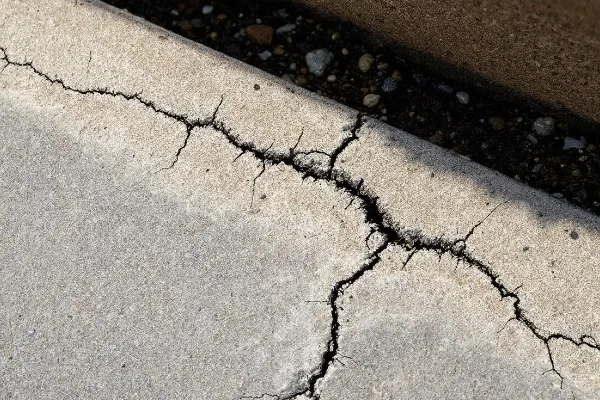
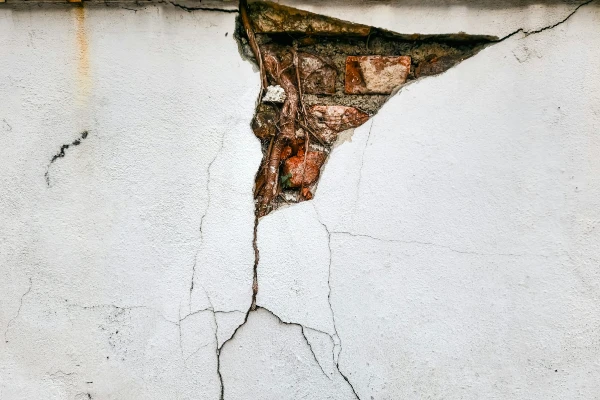
The ground around your house is not just dirt. It holds water, gravel, roots, and layers of soil that all respond to cold differently. Sand, for example, is less susceptible to frost heave because it drains better, reducing water retention during freezing cycles. When water in the soil freezes, it expands. This can result in the ground pushing upward on your foundation, a process called frost heaving. Over time, these movements can lead to cracks in your foundation walls, basement floors, and even around doors and windows.

The Role of Freezing Temperatures and Soil

Cold weather does more than make you grab a blanket. When the ground freezes and thaws repeatedly, it stresses your foundation. Changes in temperature drive this freeze-thaw cycle, causing the soil to expand and contract, which increases the risk of foundation movement and cracking. Clay soils are especially tricky because they hold water and swell at the freezing point. Sandy soils drain more easily, but even they can shift during a long winter.
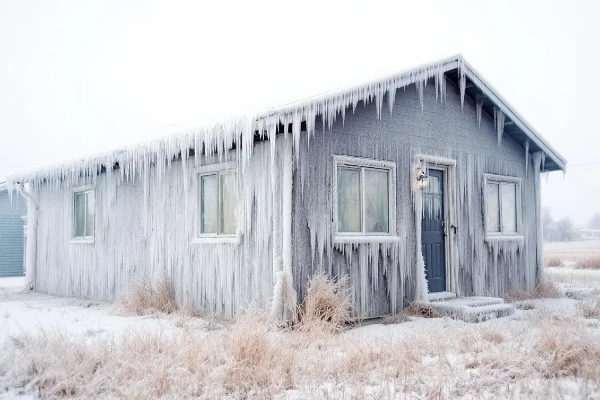
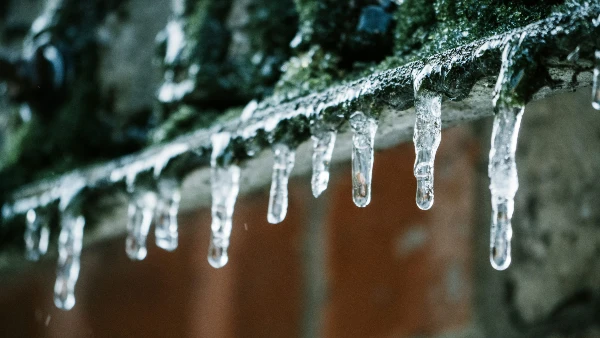
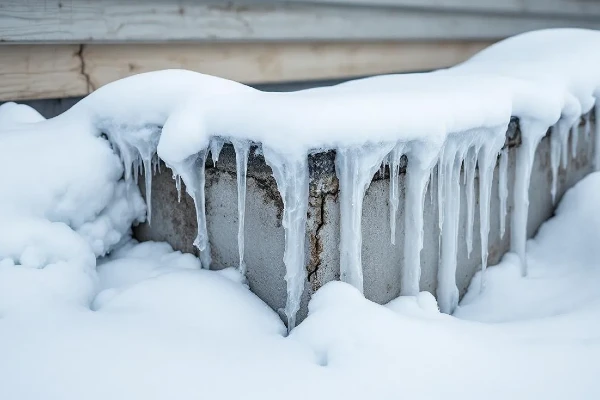
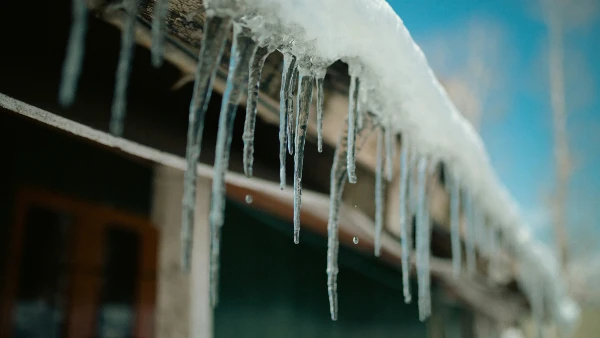
Iced House

As temperatures rise during the day and then drop again at night, the soil moves. The thaw process, when frozen soil warms and softens, contributes to additional foundation stress as the soil contracts and shifts. This cycle continues all season, and those movements show up as foundation stress. If your house sits on poorly drained soil or if water is not directed away from the foundation, the risks multiply. In many cases, high-density polyurethane foam injection is used as an effective solution to stabilize shifting soil and support the foundation against these seasonal changes.

Frozen Pipes and Moisture Issues

Another big winter challenge comes from frozen pipes. If a pipe bursts inside a crawl space, basement, or along a wall, you are dealing with sudden and severe water damage. Water near your foundation is never good, but in the winter, it adds even more strain as it freezes and the water and surrounding soil expand. This expansion can lead to cracking in the foundation if pipes burst or leak, causing further structural damage.

Moisture issues are not always dramatic. Sometimes ice builds up near your foundation from melting snow or clogged gutters. That excess water can seep into the soil and create pressure on your foundation walls. Over time, this extra moisture leads to cracks, leaks, and structural problems.

Signs of Winter Foundation Damage

As a homeowner, you do not need to guess if your foundation is struggling. There are clear signs you can look for during and after the cold months.

  • Small or widening cracks in walls or floors
  • Doors that used to work fine but now stick or do not shut properly
  • Gaps around windows and doors
  • Uneven floors in your house
  • Water pooling in the basement or crawl space

If you notice any of these issues, it is smart to take action quickly. Foundation problems do not go away on their own, and waiting often makes repairs more expensive.

Proper Drainage is Key

One of the best defenses against winter foundation risks is proper drainage. When water sits near your foundation, it freezes and thaws, stressing the concrete and soil around it. By directing water away from your home, you reduce pressure on the foundation walls.

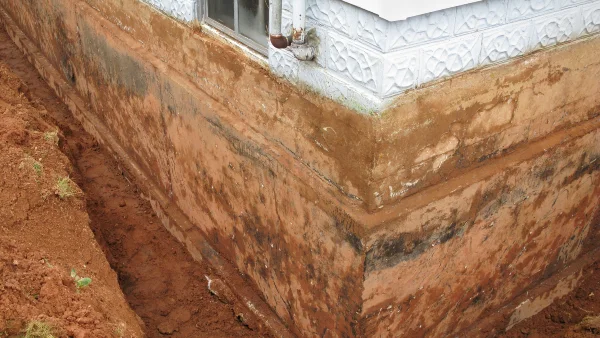
a home foundation visibly damaged by winter conditions

Simple fixes, like keeping gutters clean, repairing downspouts, and grading your yard so water flows away, make a huge difference. In some cases, installing gravel trenches, French drains, or other drainage systems can prevent moisture issues that lead to costly foundation damage. Sump pump discharge lines should be buried below the frost line to prevent freezing and potential water backflow.

The Role of Builders and Maintenance

Builders take the frost line and soil type into account when constructing a home. They design foundation walls, basements, and crawl spaces to handle typical conditions. But no foundation is completely immune to extreme weather. Even with precautions taken during construction, some soil types and weather patterns can still be problematic for foundation stability. That is why homeowners should check their foundation regularly, especially after a tough winter.

Walking around your property, looking for new cracks, testing doors, and checking walls for movement are simple steps you can take. Identifying problematic areas early often prevents major repairs later.

Why Homeowners Turn to Residential Foundation Repair

When winter conditions do cause foundation damage, you will need a professional solution. Professionals have the expertise to assess and repair frost heave and other winter-related foundation problems. This is where Powerlift comes in. With years of experience in residential foundation repair, we know how to identify the underlying problem and provide lasting fixes. Whether frost heaving has caused cracks, or poor drainage has led to water seeping into your basement, we have the tools and expertise to repair it right.

Protecting Your Home During Winter

So what can you do right now to lower the risk of foundation trouble this winter? Here are some practical tips:
a house with a flag on the front of it
  1. Keep gutters clear so melting snow and ice do not spill near the foundation.
  2. Make sure downspouts direct water several feet away from the house.
  3. Watch for standing water or ice near the foundation walls.
  4. Check the crawl space or basement for signs of leaks.
  5. Keep an eye on pipes, especially those near exterior walls, to avoid bursts.
  6. Insulate exposed pipes to prevent them from freezing during cold weather.
  7. Check attic and foundation insulation to help maintain consistent temperatures and prevent ice dams.
  8. Look for cracks in walls, floors, and around doors as the temperatures rise and the ground shifts.
  9. Use mulch or gravel to help control moisture in problem areas.

By staying on top of these tasks, you lower your chances of serious foundation problems.

How Powerlift Can Help

At Powerlift, we know that protecting a foundation during the winter is about more than patching up cracks. It is about understanding the way cold, frost, soil, and water all interact around your home. We have developed proven methods to repair and stabilize foundations so they hold up year after year.

Whether you are dealing with frost heaving, water seepage, or long-term foundation damage, our team is here to help. We work with homeowners to provide clear solutions that last, not temporary fixes.

Keeping Your Foundation Strong in Cold Weather

Winter freeze and foundation risks are real concerns for homeowners, but they do not have to lead to major problems. By keeping an eye on your home’s foundation, maintaining proper drainage, and addressing small cracks or moisture issues early, you can reduce the strain on your house during the cold months.

If you suspect your foundation has been affected by the winter temperatures, do not wait. Contact Powerlift today. Our residential foundation repair services are designed to protect your home, restore stability, and give you confidence that your foundation can handle whatever the weather brings.

Winter Freeze and Foundation Risks: Protecting Your Home This Season2025-08-29T09:10:59-05:00

Freeze-Thaw Cycles and Foundation Damage

When winter rolls around and temperatures swing wildly between freezing and thawing, your home might be facing a hidden enemy: freeze-thaw cycles. At Powerlift, we’ve seen the damage this back-and-forth weather can do to your home’s foundation—and it’s no small matter. Let’s talk about how freeze-thaw cycles impact your home’s foundation, why they can cause foundation cracks, and how high-density polyurethane foam injection can help you stop the damage in its tracks.

What Are Freeze-Thaw Cycles?

Freeze-thaw cycles happen when moisture in the soil freezes as temperatures drop, then thaws when they rise again. The process of water freezing and thawing causes the soil to expand and contract, which can lead to cracks and shifts in the ground that damage foundations. Sounds simple, right? But here’s the catch: water expands when it freezes.

Freeze-Thaw Cycles and Foundation Damage

That repeated expansion and contraction can apply tremendous pressure on concrete, foundation walls, and the surrounding soil.

As these freeze-thaw cycles repeat, they start affecting your home’s foundation. And over time, the damage builds up. Concrete can crack. Soil shifts. Foundation materials weaken. And what started as a seasonal nuisance becomes a major structural issue.

How Freeze-Thaw Cycles Impact Foundations

When soil freezes, it expands—pushing against the foundation. When it thaws, it contracts—leaving gaps. This freeze-thaw action causes the ground to move. That movement leads to uneven settling, foundation cracks, and in worst cases, major structural damage.

You might notice:

  • Cracks in walls or floors
  • Sticking doors or windows
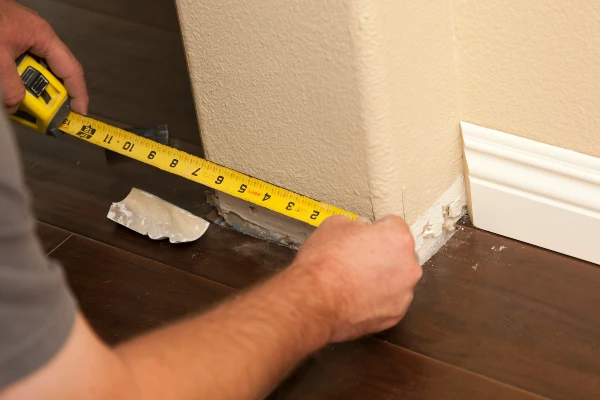
  • Gaps around baseboards
  • Sloping floors

All signs that your foundation could be suffering from freeze-thaw damage.

Even if you don’t see visible issues, freeze-thaw cycles can affect the long-term stability of your structure. They stress foundation materials over time, especially when poor drainage is in the mix. If water can’t move away from your home properly, the soil around it stays saturated. Then, when freezing temperatures hit, that trapped moisture becomes a serious threat.

Gaps around baseboards indicate potential freeze-thaw damage

The Role of Moisture and Poor Drainage

Water is the key player in freeze-thaw foundation damage. If your home doesn’t have proper drainage—like clean gutters, extended downspouts, or grading that moves water away—then freezing and thawing becomes a regular assault on your foundation.

Think about it: each time it rains or snow melts, moisture soaks into the soil. Then, when temperatures drop, the soil freezes and expands. When temperatures rise, it contracts and shifts again. That constant movement isn’t good for your home’s foundation—or your peace of mind.

Let’s not forget that poor drainage can lead to other water damage, too. Things like:

  • Wet basements
  • Cracking concrete
  • Damp crawl spaces
  • Mold and mildew

So it’s not just about cracks—it’s about protecting your whole structure.

Freeze-Thaw Cycles and Foundation Cracks

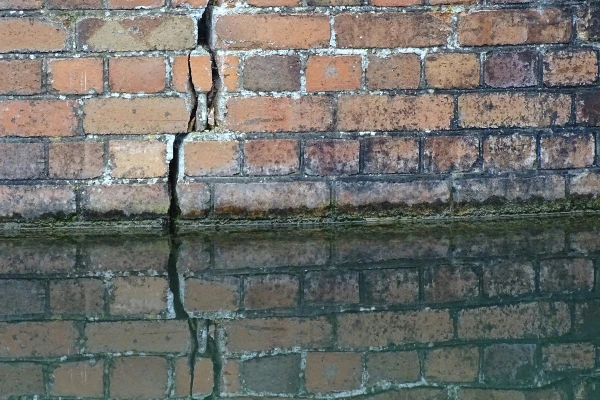
Cracks are one of the most common symptoms of freeze-thaw damage. When the soil freezes and expands, it pushes against foundation walls, often leading to horizontal cracking. When the soil thaws and shifts away, vertical cracks can appear.

While hairline cracks may seem harmless, they can grow quickly with repeated cycles of freezing and thawing. And once a crack forms, moisture can seep in, freeze, and expand—making the crack worse each time.

That’s why it’s so important to review your foundation regularly, especially in late fall and early spring. Catching signs early is key to avoiding larger problems later.

High-Density Polyurethane Foam Injection: A Modern Solution

foundation stability issue

Now here’s where Powerlift comes in. One of our best tools for repairing freeze-thaw foundation damage is high-density polyurethane foam injection. This technique is a game-changer for lifting, leveling, and stabilizing foundations—without major excavation or days of downtime.

Here’s how it works:

  1. Small holes are drilled in the affected area.
  2. High-density foam is injected beneath the foundation.
  3. The foam expands, filling voids and lifting the structure back into place.
  4. It hardens in minutes, creating a strong, stable base.

Because the foam resists water and won’t break down over time, it’s perfect for foundations suffering from freeze-thaw damage. It also helps seal cracks and prevent water from getting in again.

And let’s be honest—no one wants a muddy yard or construction mess. Foam injection lets us fix the problem with minimal disruption.

Signs You Need Foundation Repair

Not sure if freeze-thaw cycles have taken a toll on your home? Watch out for these red flags:

  • Cracks in your foundation or basement walls
  • Doors or windows that won’t close properly
  • Floors that feel uneven
  • Water pooling near your home’s foundation after rain
  • Noticeable gaps between walls and ceilings or floors

These are all signs that freezing and thawing have caused some unwanted movement.

Why Acting Now Matters

Every year, we talk to homeowners who wait until the damage gets worse. The truth is, the longer you wait, the more extensive—and expensive—the repairs can be.

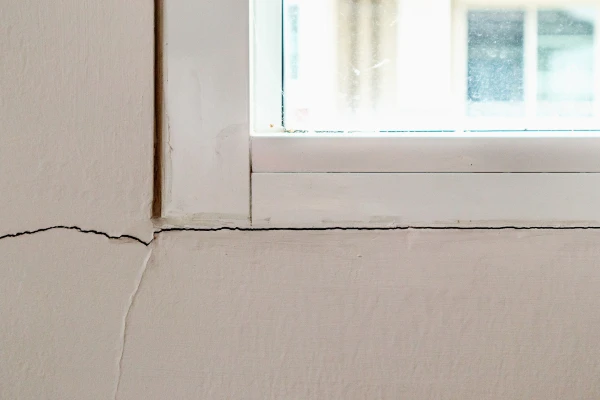
A crack in the side of a building

Freeze-thaw damage doesn’t go away on its own. Those cracks get bigger. That uneven settling becomes a risk to your home’s structure. And if poor drainage isn’t fixed, you’re basically inviting water and ice to wreak havoc again and again.

At Powerlift, we believe in fixing the issue before it snowballs. High-density polyurethane foam injection is a fast, reliable, and cost-effective way to repair damage and protect your foundation for years to come.

What You Can Do to Prevent Freeze-Thaw Damage

You can’t stop winter from coming—but you can take steps to reduce the risk of freeze-thaw damage. Here’s a quick list of preventative moves:

  • Clean your gutters regularly to prevent overflow near your foundation
  • Extend your downspouts at least 5 feet away from the house
  • Inspect and seal cracks in your foundation before winter
  • Check for standing water after rain
  • Grade your yard to direct water away from the structure
  • Improve insulation around foundation walls to reduce freezing near the home

By taking these steps, you’re helping prevent water from soaking into the ground and freezing. Less water = less pressure = fewer cracks.

When to Call in the Pros

If you suspect freeze-thaw cycles are starting to take a toll on your home, don’t wait for the next cold snap to act. It’s always a good idea to get a professional inspection, especially if you’re noticing new cracks, sticking doors, or shifting floors.

At Powerlift, we offer full foundation repair services backed by the latest in modern technology—including high-density polyurethane foam injection. We’re here to review your foundation, recommend the best fix, and help you avoid larger problems down the road.

We’ve worked with homeowners all across the area, and we know how to deal with the unique soil, moisture, and temperature issues that lead to foundation trouble.

Contact Powerlift for any foundation damage

Protect Your Foundation Before the Freeze

Freeze-thaw cycles aren’t just a weather pattern—they’re a real threat to your home’s foundation. But with the right preventative steps and tools like high-density polyurethane foam injection, you can protect your investment without major disruption.

Whether it’s reviewing your drainage setup, sealing early cracks, or lifting a sunken slab, Powerlift is ready to help. Let’s keep your foundation strong, stable, and safe—no matter how much the temperatures fluctuate.

Got questions or think your home is showing signs of freeze-thaw damage? Contact Powerlift today. We’ll take a look, give you honest feedback, and help you stop foundation problems before they grow.

Freeze-Thaw Cycles and Foundation Damage2025-08-29T08:33:51-05:00

The Link Between Groundwater Levels and Foundation Health

It’s easy to notice foundation cracks or sticking doors. But the cause? That’s often hidden underground. There’s a strong link between groundwater levels and foundation health, and if you’re not paying attention, it could cost you more than just repairs and could lead to serious health effects.

At Powerlift Foundation Repair, we help homeowners deal with these hidden problems all the time. Whether it’s surface water from storms or rising groundwater you can’t see, moisture is a tricky factor. Here, we’ll talk about why it matters and how to protect your home.

What Is Groundwater?

Groundwater Levels and Foundation Health

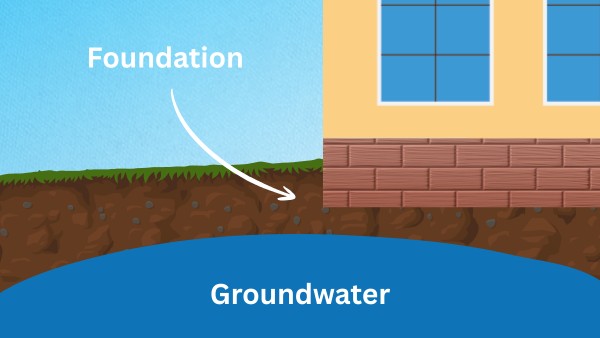
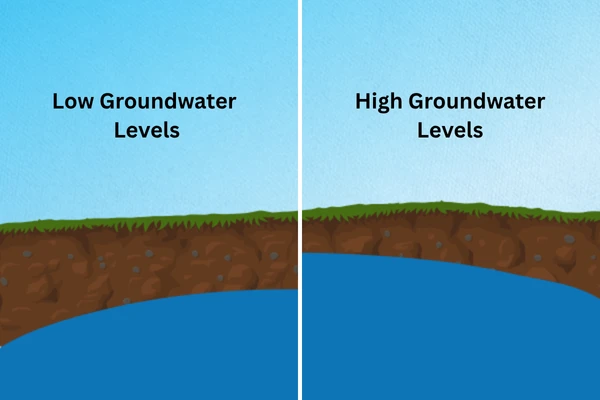
Groundwater is just water that lives below the earth’s surface. After it rains or snows, some of that water soaks into the soil and keeps going down until it hits a layer it can’t pass through, like rock or super dense clay. The top of that saturated zone is called the water table.

Depending on how deep (or shallow) the water table is, your foundation could be sitting just above it or nearly in it. And depending on the time of year, that water level might go up and down. That means the soil beneath your house is constantly changing, getting soggy, swelling, drying out, shrinking, and that can spell trouble for your home’s structure over time.

What Happens When Groundwater Levels Get Too High?

This is a pretty common issue, especially in areas with a lot of rainfall or poor drainage. Some parts of Arkansas, North Carolina, and Tennessee deal with this constantly. Some of the things that could go wrong include:

Pressure Builds Up Behind Your Foundation Walls

When the soil around your home gets soaked and can’t hold any more water, that moisture starts pushing on your basement or crawl space walls. That’s called hydrostatic pressure. As time passes, that pressure can cause basement walls to bow inward or crack. Even small hairline cracks can become entry points for water, and where there’s water, there’s mold, mildew, and a whole bunch of other problems you don’t want to deal with.

cartoon illustration of groundwater

Soil Expansion Can Push Things Around

In clay-heavy areas, especially in states like Oklahoma, the soil acts like a sponge. When it gets wet, it swells. When it dries out, it shrinks. That constant movement is tough on your foundation. Wet seasons can push parts of your foundation up, and dry seasons can let it sink back down, or shift to the side. That back-and-forth stress adds up fast and can lead to permanent damage.

Flooding and Moisture Problems Inside the House

If groundwater rises high enough, it can literally come up through the floor. Even if it doesn’t flood your home, it can still lead to damp, humid air, moldy walls, musty smells, and rotting wood. Moisture can also cause metal supports or fasteners to corrode, especially in older homes. Basically, it can mess with way more than just your foundation.

What Happens When the Groundwater Drops Too Low?

This might not sound like a big deal, especially if you’re in a drier place like Arizona. But it turns out that too little water can be just as risky as too much.

Dry Soil Starts to Sink

Soil shrinks when it dries out. And if your foundation was poured on soil that’s now disappearing underneath it, your house starts to settle. Sometimes this happens slowly, little by little over years. Other times, it can shift fast, especially during extended droughts or when nearby construction messes with the soil.

Your Foundation Doesn’t Always Settle Evenly

Let’s say one side of your house is shaded and stays a little more moist, but the other side is exposed to constant sun or a heat-reflecting driveway. The soil under those areas will dry at different rates, which means your foundation might start to settle unevenly. That’s called differential settlement, and it’s where you start seeing sloping floors, cracked drywall, or doors that swing open on their own.

The Real Problem: Groundwater Fluctuations

It’s not just the highs or the lows—it’s the constant back-and-forth that does the most damage. The cycle of wetting and drying, as well as expanding and shrinking, puts major strain on concrete, rebar, and framing.

In Tennessee and parts of North Carolina, for example, rainy spring months followed by dry, hot summers can lead to visible seasonal foundation movement. You might even notice a crack close up in the winter and reopen again in the summer. That’s your house reacting to shifting soil.

Should You Worry About Groundwater Contamination?

While the main concern with rising groundwater levels is foundation damage, contaminated groundwater can also pose serious health risks, especially if that water seeps into basements or crawl spaces.

low and high groundwater levels illustration

Many communities rely on groundwater supplies for drinking water, but these can be threatened by pollutants like pesticides, oil, toxic chemicals, and septic tank waste. Leaking septic systems and human waste are common potential sources of contamination, as are industrial runoff and heavy irrigation in agricultural areas.

The Environmental Protection Agency (EPA) warns that polluted aquifers can be extremely difficult to clean. And with climate change driving more extreme weather, the risk of widespread pollution affecting water quality and nearby ecosystems (even reaching oceans) continues to grow.

If groundwater is entering your home, it may be a sign to test your clean water and assess your local water supplies for hidden contaminants.

How to Spot the Signs in Your Home

So how do you know if groundwater is affecting your foundation? Keep an eye out for these signs:

  • Cracks in your walls (especially above windows or doors)
  • Floors that feel sloped or bouncy
  • Doors or windows that don’t close like they used to
  • Stair-step cracks in your brick or exterior siding
  • Gaps between the wall and the ceiling
  • Dampness or water stains in your basement
  • Bowing or bulging basement walls
  • A weird, musty smell that just won’t go away

What a Foundation Expert Will Check

If you do bring someone out, here’s what they’re likely to look for:

cracked foundation wall
  • Soil moisture and type: They’ll check the kind of soil your house sits on and how wet or dry it is. Some companies do soil testing to get a really accurate read on this.
  • Water table levels: This can vary by season and location, but a good inspection will look at how close that water is getting to your foundation, and whether it’s likely to rise further.
  • Visible movement or damage: They’ll measure cracks, inspect for tilting or bowing, and check how level your floors are.
  • Drainage and water flow around the property: A lot of problems start with poor grading or missing downspouts. Even your neighbor’s poorly directed sprinkler system can end up causing water to pool near your foundation.

If you’re seeing any of this, it’s probably time to call a professional before it gets worse.

What You Can Do to Protect Your Foundation

Now let’s get into what you can actually do to keep groundwater from wrecking your home.

  • Make sure water flows away from the house: Check the slope around your home. It should slope away, ideally about 6 inches over 6 feet. If it’s not, bring in some dirt and regrade the area.
  • Clean your gutters: Clogged gutters mean water spills straight down your walls and pools at the base of your house. Keep them clean and make sure your downspouts stretch at least 4–6 feet away from your foundation.
  • Add a drainage system: If water keeps hanging around the base of your home, it might be time for a French drain or interior drain tile system with a sump pump. This kind of setup catches water and moves it away before it becomes a bigger issue.
  • Waterproof the exterior: In areas where water pressure is high, adding a waterproof barrier on the outside of your foundation wall can really help. It doesn’t fix structural problems, but it can keep water from sneaking in.
  • Consider underpinning with piers: If your foundation is already settling, one of the most reliable fixes is underpinning with steel piers. At PowerLift Foundation Repair, we drive steel piers down to stable soil or bedrock and lift the home back into place using synchronized hydraulic systems. It’s a long-term fix, not a patch job.

Other Things You Should Know About Groundwater Levels & Foundation Health

Groundwater does more than affect foundations. It supports plants, streams, wildlife, and even the food we grow. When precipitation is low or overuse occurs, depletion of groundwater can impact the security of entire communities. This is why researchers stress the importance of understanding groundwater’s role in nature and the built environment.

In addition to damaging buildings, unstable groundwater levels can influence bodies of water, soil health, and the presence of bacteria. Excessive use of fertilizers, gasoline leaks, and mining or industry activities can also make groundwater unsafe, sometimes to a dangerous extent.

Data collection on groundwater movement and quality is important for sustainable development. Learning to conserve this resource helps protect both land and lives. So if you’re completing a construction project or managing other types of property, understanding groundwater is absolutely important.

When Groundwater Becomes a Problem, We’re Here to Help

The relationship between groundwater and foundation health affects more than just buildings. It affects communities, rural livelihoods, and even fragile coastal wetlands. When the ground shifts or becomes polluted, the risks go beyond cracked walls, especially for certain types of soil.
If you’re seeing signs of foundation trouble, it’s time to do your research. A commercial foundation repair specialist like Powerlift Foundation Repair can help you address hidden problems and build a plan that’s both practical and sustainable.

Want to learn more? Contact us today!

The Link Between Groundwater Levels and Foundation Health2025-08-08T09:57:23-05:00

Expansive Soil and Weather Effects

Lately, the weather feels like it’s rewriting the rules. We’re seeing longer dry spells, harder rains, and temperature swings that make the ground unpredictable. So is it time to start worrying about your soil? Not quite, but it is time to pay attention. We’ll walk through how expansive soils and unpredictable weather affect your foundation, what signs to watch for, and which pier systems work best in shifting conditions.

PowerLift has been in the foundation business for decades, across all kinds of soil and weather patterns. We’ve seen what works, what fails, and what gives your home the strongest footing for the future.

PowerLift Foundation Repair provides expert services across Oklahoma, Tennessee, Arkansas, and North Carolina, regions where expansive soils are a common concern for homeowners and builders alike.

Expansive Soil and Weather Effects

Expansive Soils

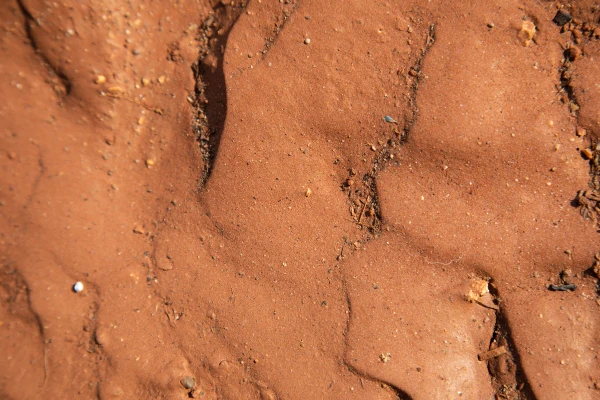
Expansive soils are more common than most homeowners realize. These soils expand when they absorb water and contract when they dry out. That movement creates stress beneath your home and often leads to cracks, uneven floors, and foundation issues. The constant change in soil volume makes even natural soils unpredictable, especially when they contain large amounts of clay.

Swelling Soils

The trouble starts at the microscopic level. Expansive soils are typically made up of fine-grained clay minerals such as montmorillonite. These minerals absorb large quantities of water, causing dramatic volume changes.

Moisture is the biggest factor. When swelling soils absorb water, they increase in volume. During dry spells, they shrink and create voids. Other contributing factors include:

  • Soil particles with high plasticity
  • Lack of proper surface drainage
  • Disturbed or improperly compacted clay soil

Such soils are known for their unstable soil properties, especially in regions with seasonal drought. When dry soil is suddenly exposed to rain or runoff, the shift in volume can be rapid and damaging.

expansive minerals prone to shrink-swell potential

Shrinking and Swelling Soils

Shrink-swell cycles are caused by changes in moisture. These movements can shift foundations, lift slabs, and damage walls. Knowing how your soil responds to water is key to long-term structural stability.

Soils with high plasticity expand significantly when wet and contract just as aggressively when dry. The repeated stress from this movement can affect everything from slab-on-grade floors to grade beams. These cycles can lead to cracks in walls, uneven basement floors, and significant damage caused by settling under shallow foundations.

Expansive Clays

Soils with a high clay content are especially active. Fine-grained clay minerals trap moisture and expand. When the water disappears, they shrink and leave behind pockets that cause settling.

Engineers use laboratory tests to measure this behavior. Two key values include:

  • Plasticity index: how flexible the soil is when holding water
  • Liquid limit: the point where soil acts like a liquid

These numbers help determine how deep foundations should be placed to avoid surface movement. For new construction projects, running laboratory testing up front can save hundreds of dollars per square foot in future repairs.

Soil Expansion

clay minerals

Environmental conditions play a huge role in soil expansion. Rainfall, drainage, and landscaping decisions all influence how much a soil expands or contracts.

If drainage is poor, water collects near the home’s base and leads to localized swelling. Roots from trees and shrubs can dry out nearby soil, increasing instability. Keeping moisture levels balanced is essential.

Moisture Content

Moisture content is the leading cause of soil movement. Water molecules enter clay-rich soil, expand the particles, and push upward. When the water evaporates, the soil contracts and can leave your foundation unsupported.

Maintaining consistent moisture levels around the home through grading, root barriers, and irrigation planning can reduce the effects of moisture swings. Many property owners overlook how much water content affects soil strength. The more water content the ground holds, the more likely it is to shift.

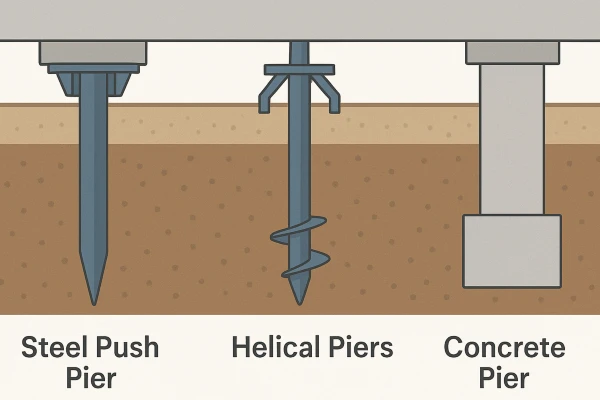
Best Foundation Piers for Expansive Soils

Expansive soil conditions call for pier systems that can handle movement without compromising your home’s stability. The right system supports the structure below the zone where soil expands and contracts. Below is a breakdown of the most common options, with helical piers leading the list for their versatility and reliability.

1. Helical Piers

Best for: Moderate expansive soils and fast installation

Pros:

  • Fast, low-impact installation with minimal excavation
  • Suitable for light structures and full residential foundations
  • Effective in clay soils with moderate shrink-swell behavior

Cons:

  • Not ideal for dense or rocky soil conditions
  • Has lower weight capacity compared to steel piers for larger buildings
Helical Piers being installed

Helical piers are PowerLift’s top choice for homes built on expansive clay. Their screw-shaped design allows for quick installation and even weight distribution across shifting soils. For most homeowners, this option offers a solid mix of speed, stability, and cost-efficiency.

2. Steel Piers

Best for: Severe soil movement and multi-story homes

Pros:

  • Installed deep below the active soil zone
  • Extremely strong and able to support heavy loads
  • Galvanized material helps prevent corrosion over time

Cons:

  • More expensive than other pier options
  • Requires heavy machinery and more invasive setup

Summary:
Steel piers are often used in areas where soil movement is extreme. By reaching stable layers far below the surface, they provide long-term reliability even under large structures. PowerLift installs galvanized steel piers designed to withstand decades of shifting soil and heavy weight.

3. Concrete Piers

Best for: Stable soils or cost-conscious repairs

Pros:

  • Budget-friendly and easy to find
  • A familiar method for many local contractors

Cons:

  • Shallow depth makes them unreliable in expansive soils
  • Higher risk of movement or cracking if soils shift underneath

Summary:
Concrete piers are affordable and commonly used, but they’re not the best fit for clay-heavy ground. Because they often sit within the zone of moisture fluctuation, they are more likely to shift as the soil expands and contracts. In areas with known expansive soils, this option may cost more in repairs down the road.

Helical Piers vs. The Competition

Feature Helical Piers Steel Piers Concrete Piers
Installation Speed Fastest Moderate Slowest
Soil Adaptability Best for clay Good Poor
Cost Mid-range High Low

For most homeowners, helical piers strike the best balance of speed, cost, and stability.

Planning New Construction on Expansive Soil

Building on expansive soils can be successful with the right approach. Understanding how these natural systems behave is the first step. Many structures built in the past didn’t account for moisture variation, leaving modern houses with legacy foundation issues. Adding root barriers and removing overgrown vegetation are small but critical steps. It’s also important to remember that human activity, like poor drainage or heavy irrigation, can worsen instability.

Testing and Engineering Support

Work with civil engineers and run lab tests to evaluate your soil’s clay content, plasticity index, and particle size. The Colorado Geological Survey recommends this approach in high-risk regions.

Smart Foundation Design

Engineers may suggest:

  • Deep-set grade beams
  • Reinforced slabs
  • Water control systems
  • Deep foundations

Preventative Measures

Builders can protect your structure with:

  • Root barriers
  • Grading plans
  • Moisture control systems

Industry Standards

ASTM International sets construction guidelines for expansive soils. Following these standards ensures a strong, lasting build.

Completing a foundation project in active soils is completely doable. For example, homes across Oklahoma and the Southeast have remained level for decades thanks to smart engineering and soil-specific construction strategies. PowerLift works with engineers and builders to deliver structures that stand strong against shifting soil.

PowerLift Can Help You Build Smarter

The ground beneath your home plays a bigger role than most people realize. When it comes to expansive soils, experience and accuracy matter.

PowerLift has worked across Oklahoma, Tennessee, Arkansas, and North Carolina, solving problems caused by swelling soils, clay shifts, and foundation failures. Whether you’re starting fresh or fixing a structure already showing signs of movement, we’re here to help.

house with sloped landscape

Contact PowerLift today for a foundation consultation based on real testing, real planning, and real solutions.

Expansive Soil and Weather Effects2025-08-05T11:30:46-05:00

Ice Storms and Foundation Shifting

When ice storms blast through our region, most people worry about fallen branches, power outages, and slippery sidewalks. But beneath the snowdrifts and icicles lurks a hidden problem: ice storms and foundation shifting. Cold weather and sudden freezes can affect the home foundation by causing the soil to expand and contract, which often leads to shifting and cracks. As frozen water thaws and freezes, it puts major stress on your home’s foundation, sometimes leading to cracks, bowing walls, and even basement flooding.

At Powerlift Foundation Repair, we help homeowners tackle foundation issues brought on by extreme weather events—especially winter’s freeze–thaw rollercoasters.

Ice storms and other winter weather events can affect home foundations by increasing the risk of structural damage, making it crucial for the homeowner to stay aware of these risks.

Ice Storms and Foundation Shifting

Here’s how ice storms turn into foundation headaches—and what you can do about it.

Freeze–Thaw: The Hidden Culprit

During an ice storm, melting snow and freezing temperatures create a cycle of thawing and re-freezing—known as the freeze-thaw cycle. Water seeps into soil around your foundation, freezes, then expands.

This frost heave can lift and shift slabs, walls, or egress windows, putting pressure on concrete and causing foundation cracks over time. As temperatures drop and ice melts, more water seeps into the ground, increasing the risk of cracks forming in the foundation.

Add to that the effects of melting snow, spring rains, or ice dams, and you’ve got saturated soil pushing and pulling on your foundation all season long. Melted snow and more water increase hydrostatic pressure on the foundation, threatening its structural integrity.

Hydrostatic Pressure Builds Over Time

When snow melts rapidly or freezing rain piles up, water pools around the base of your home. This pooling increases the risk of a flood and water damage in your basement, as excess water can seep through the foundation and cause significant problems.

home with visible snow and ice accumulation around its foundation

That moisture creates hydrostatic pressure—it presses on basement walls and the soil surrounding your foundation. Over time, the walls start leaning or cracking in a stair step pattern, or you may notice moisture seeping through cracks. If left unchecked, this can lead to costly repairs, serious foundation damage, and water leaks that further compromise the structure.

Warning Signs You Can’t Ignore

Watch for these early signs of winter foundation damage:

Sign What It Means
Hairline or stair‑step cracks Foundation & walls are shifting or shrinking due to clay soil & frost heave
Sloping or bouncing floors Foundation has shifted, possibly from ice storm cycles
Bowing basement walls Significant hydrostatic pressure
Moisture or mold growth in crawl spaces Water intrusion from freezing/thawing processes
Sticking doors or windows Foundation has shifted, misaligning egress windows or frames

If you spot any of these, don’t wait for spring—call foundation experts before the next thaw.

Egress Windows: Hidden Risks and Smart Solutions

Egress windows are designed to keep your family safe, providing a vital escape route in case of emergencies. But during winter’s worst—when ice storms hit and snow piles up—these windows can become a hidden source of foundation problems. As melting snow and ice collect around egress windows, water can seep into the soil and press against your home’s foundation. This extra moisture, especially during extreme weather events, increases the risk of leaks, foundation cracks, and even basement flooding.

Homeowners often overlook egress windows as a potential weak spot, but water pooling in these areas can quickly lead to costly repairs if not addressed. Ice storms and rapid snowmelt can overwhelm window wells, allowing water to bypass normal drainage and put direct pressure on the foundation. Over time, this can cause significant problems, from small cracks to major structural issues.

To protect your foundation, make sure egress window wells are clear of debris and equipped with proper covers. Check that drainage systems around the windows are working efficiently, especially before and after major snow or ice events. Installing gravel or a drainage pipe at the base of the window well can help direct water away from the foundation, reducing the risk of water intrusion and foundation damage.

By staying vigilant and taking these smart precautions, you can safeguard your home’s foundation from the hidden risks that egress windows can pose during winter’s harshest conditions.

Solutions: Protect and Repair

Proper Grading & Drainage

Ensure your yard slopes away from the foundation. It’s a simple step that prevents direct water from pooling near your house during snowmelt.

Install French Drains & Splash Blocks

These systems move water away from the foundation. Downspouts with downspout extensions should transport water at least 10 feet away to prevent puddling near your slab or perimeter.

Use High-Density Polyurethane Foam Injection

Mid-season cracks or wall shifts may be stabilized with high-density polyurethane foam injection, a clean, fast repair that stops leaks and fills voids in concrete.

a snow covered parking lot next to a tall building

Strengthen with Piers or Underpinning

For sagging floors or bowing walls, steel piers or concrete underpinning can restore support and lift the foundation back into place.

Seasonal Inspections

Our skilled technicians recommend a winter inspection after the first thaw, and again in spring after ice and snow melt. That way we catch freeze damage before it gets worse.

Waterproof the Foundation

Apply sealant, install perimeter drains, or retrofit basements with a drainage membrane to stop moisture from freezing inside foundation walls.

Why Winters Are Tough on Foundations

  • Rapid temperature changes (warm days, deep freezes) stress concrete
  • Freeze-thaw cycles push the soil beneath slabs up
  • Clay soil swells with moisture, but during the dry season, the soil contracts, causing gaps around home foundations
  • Ice dams cause overflow onto foundation walls
  • Prolonged wet and dry weather makes hydrostatic pressure unpredictable
  • Frozen pipes or blocked gutters can send meltwater against the foundation

Inside your basement or crawl space, moisture buildup can lead to mold, mildew, and rot—so protecting the outside is just as important as fixing internal cracks.

Keep a Healthy Foundation All Winter

A winter scene shows a pile of houses blanketed in snow

Here’s a quick checklist to minimize damage:

  • Clear gutters and downspouts before the first freeze
  • Grade your yard to direct water away
  • Use sealants or waterproof membranes to shield walls
  • Repair cracks early with foam injection or sealants
  • Consider perimeter drainage systems

By taking these steps from fall onward, you reduce winter damage and feel safe in your home—no matter the weather.

The Powerlift Difference

We bring more than decades of experience—we bring local knowledge of freeze–thaw behavior, clay soil, and proper drainage strategies. Our team handles everything from inspections and foam repairs to installing drains, piers, or foundation replacements.

With Powerlift, you’re not waiting till spring to fix winter damage. We respond fast—getting your foundation stabilized and safe long before serious issues take hold.

Take Action Today

Ice storms won’t wait—and neither should you. If you’re noticing cracks, moisture, shifting floors, or bowed walls, call Powerlift now. We’ll inspect your home, pinpoint damage, and recommend solutions like high-density polyurethane foam injection—all without the spring rush.

mitigate water damage with cleaning gutters

Contact Powerlift Foundation Repair today to get ahead of winter damage—no waiting. Let’s keep your foundation safe and your home standing strong, season after season.

Ice Storms and Foundation Shifting2025-07-25T09:57:00-05:00

Wet-Dry Cycles and Foundation Issues

In many parts of the country, weather swings from drought to downpour without much warning. While the wild shifts might feel like a nuisance, they’re doing more than just wrecking your lawn. These wet-dry cycles directly affect your home’s foundation, often leading to cracks, displacement, and long-term structural damage.

Understanding how the soil responds to these cycles can help you catch early warning signs and protect your home from serious foundation problems.

Why Moisture Matters So Much in Foundation Health

Wet-Dry Cycles and Foundation Issues

The ground beneath your home is a dynamic system. It expands when wet, contracts when dry, and this constant movement creates stress on your foundation. Over time, this pressure leads to cracking, bowing walls, and uneven settling.

In regions with clay-heavy soil, these cycles are particularly intense. Water content in clay can cause a significant increase in volume, then shrink dramatically when dry. These fluctuations stress the foundation repeatedly, increasing the risk of long-term damage.

What Are Wet-Dry Soil Cycles?

Wet-dry cycles refer to repeated periods of soaking and drying in the soil. After a heavy rainfall, the soil becomes saturated. Then the hot sun returns, the moisture evaporates, and the soil dries out again.

This back-and-forth cycle influences:

  • Soil structure
  • Moisture accumulation and evaporation
  • Foundation pressure and stress

Each phase leaves its mark. Dry soil shrinks away from the foundation, forming gaps. When it rains again, that water rushes in, swelling the soil and pushing hard against the walls.

completing a successful wet and dry cycle

The Science of Shrinking and Swelling Soils

Let’s break down what’s happening on a soil level.

Clay particles absorb water and expand. As they dry, they contract and lose volume. This process might be slow, but the long-term effects are significant. Soil samples taken from homes with foundation issues often show extreme variation in moisture levels from season to season.

One factor contributing to these swings is the proportion of clay particles compared to sand or silt in the soil. Higher clay content means more dramatic changes during wet-dry cycles.

Signs Wet-Dry Cycles Are Affecting Your Foundation

You don’t need a geology degree to spot the early warning signs. Keep an eye out for:

  • Cracks in walls, especially near doors or windows
  • Uneven floors or sudden changes in elevation
  • Sticking doors or windows
  • Gaps between your home and the ground

These clues suggest that your foundation has been subjected to shifting soil pressures. PowerLift Foundation Repair has observed these patterns in homes across Oklahoma, North Carolina, Tennessee, Arkansas, Arizona, and other regions where rainfall and drought often take turns leading the forecast. where rainfall and drought often take turns leading the forecast.

Signs Wet-Dry Cycles Are Affecting Your Foundation

The Role of Soil Stability

Soil stability is a critical factor in how your foundation performs. When the earth under your home becomes inconsistent due to changing water levels, the support it offers is compromised.

Unstable soil may be the result of:

  • Poor drainage
  • Tree root intrusion
  • High clay content
  • Seasonal rainfall patterns

In some cases, stabilization methods may be required to restore balance and prevent future displacement.

Water Level, Humidity, and Foundation Risk

Humidity levels above and below ground influence soil moisture. When the humidity in the air is high, evaporation slows. During dry spells, moisture is pulled from the soil faster, causing it to contract.

The Role of Soil Stability

That shift in moisture content causes stress on your home’s foundation, especially if the site has not been graded properly. The issue becomes worse when these changes are observed repeatedly across multiple seasons.

Taking Soil Samples to Determine Risk

Professional foundation repair companies often begin with soil samples to determine the underlying problem. These samples help identify:

  • The diameter of soil particles
  • The soil’s capacity to hold water
  • The rate at which it dries
  • Whether disintegration of structure is occurring

Testing also reveals how well the soil responds to stress. This kind of data gives experts a foundation for choosing the correct repair method.

Sieve Methods and Clay Content

One common test used during site evaluation is the sieve method. It separates soil particles based on size and identifies how much clay is present. If your soil is made up of more than 30 percent clay particles, it’s likely more reactive during wet-dry cycles.

This information allows for calculated residential foundation repair decisions based on actual conditions rather than guesswork.

Cracks, Displacement, and Foundation Pressure

The more cycles your soil goes through, the more pressure builds on the structure. Eventually, cracks may form, walls may shift, and the entire foundation may experience uneven settlement. This displacement causes:

  • Structural misalignment
  • Plumbing issues
  • Gaps between slabs and soil

Each of these symptoms puts your home at further risk and complicates repairs if left untreated.

How Agriculture Connects to Residential Soil Issues

You might not expect agriculture to show up in a conversation about home foundations, but it’s more connected than you’d think. Farming practices nearby can influence soil behavior across a wide area. Repeated soaking for crops or drainage shifts may change how water content is distributed through the land.

Understanding this connection gives homeowners another layer of context when reviewing soil stability and moisture patterns.

Controlling Water Around Your Foundation

Preventing foundation damage starts with controlling water. If water pools near your home, you’re inviting stress. Here are a few control strategies:

How Agriculture Connects to Residential Soil Issues
  • Use gutters and downspouts to direct water away
  • Grade soil to slope downward from the house
  • Install French drains or similar solutions

These strategies help maintain consistent soil moisture, which reduces expansion and contraction.

The Influence of Climate and Evaporation

Climate shifts bring changes in rainfall and evaporation rates. In drier climates, evaporation occurs faster, leaving the soil air dried and brittle. In wetter climates, slow drying results in prolonged soaking, which can saturate the soil structure.

Both scenarios introduce risk. A foundation subjected to alternating extremes will eventually respond with visible signs of wear.

Foundation Stabilization: When It’s Time to Act

If you’ve noticed signs of damage, it may be time to consider foundation stabilization. PowerLift offers engineered solutions designed to work with your soil type, whether you’re dealing with expansive clay, sandy fill, or anything in between.

Some stabilization techniques include:

  • Steel piers
  • Helical piers
  • Soil injections
  • Slab lift systems

Each method is selected based on site conditions, stress level, and observed movement.

Reviewing Site Conditions Before Proceeding

Foundation Stabilization When It's Time to Act

Before proceeding with any repair, a thorough site review is essential. Technicians evaluate:

  • Layers of soil and their density
  • Historical water content trends
  • Pressure points caused by previous repairs
  • The connection between past cracks and current displacement

This step helps prevent further issues and ensures repairs last. The goal is to support your foundation based on parameters that match your property, not a one-size-fits-all fix.

Human Activity and Soil Stress

You’d be surprised how much human activity affects soil behavior. Construction nearby, changes in landscaping, and even the removal of large trees can shift soil pressure. These disruptions create changes in how the foundation is supported.

If your home has been exposed to changes like new additions or major grading work, it’s worth having a foundation inspection just to verify the current condition.

Tools Used to Monitor and Verify Movement

To confirm what’s happening under the surface, professionals use a combination of:

  • Pressure gauges
  • Moisture meters
  • Leveling lasers
  • Elevation mapping

Each tool helps verify the source of foundation movement, whether caused by evaporation, poor soil structure, or accumulated stress from wet-dry cycles.

Get Ahead of Wet-Dry Cycles and Foundation Issues

Wet-dry cycles aren’t going anywhere, especially in states where the weather can turn quickly, like Oklahoma, Arizona, and North Carolina. That’s why it pays to stay alert to early signs of soil movement, foundation stress, and water-related damage.

If something feels off, don’t wait for it to get worse. PowerLift is here to help you figure out what’s going on and what needs to happen next. Our team uses a combination of physical testing and years of experience to develop solutions that work.

When conditions are verified, and testing confirms the cause, we move forward with a repair formula that is designed for your site. The process considers two factors: current soil condition and future weather exposure. This approach, calculated based on real conditions and expert testing, has significantly reduced long-term foundation problems for our clients even as moisture levels continue decreasing in many regions.

Get Ahead of Wet-Dry Cycles and Foundation Issues

Waiting is what causes damage to grow. Book your inspection today and let PowerLift help you get ahead of foundation trouble.

PowerLift’s in-house team of engineers, soil experts, and repair specialists work together to develop strategies that match real conditions on real properties. You don’t just get a repair. You get a plan that fits.

Don’t Wait for Small Shifts to Become Big Problems

Your home is only as stable as the ground it stands on. And when the soil can’t be trusted to stay still, it’s time to act. Whether you’ve spotted early cracks or just want peace of mind before the next weather swing, PowerLift Foundation Repair is here to help you take control before damage spreads.

Book your inspection by giving us a call at 1-800-562-5438 or contact us for a free quote, and let’s build a solid foundation for what comes next.

Don’t Wait for Small Shifts to Become Big Problems
Wet-Dry Cycles and Foundation Issues2025-07-22T12:21:15-05:00

Wildfires and Foundation Stability: Essential Insights for Homeowners

Wildfires don’t just scorch trees—they can silently threaten the structural integrity of your home’s foundation long after the flames are out. At Powerlift Foundation Repair, we’re closely tied to the land and know that wildfires and foundation stability share a deep, often unseen connection.

Gathering essential information about soil and site conditions is crucial for assessing foundation stability after wildfires. Accurate soil testing and site assessment help ensure effective recovery and prevent future erosion or slope failures.

Here’s how fire impacts your foundation, what to look for during recovery efforts, and how Powerlift can help your home stand strong again.

Wildfires and Foundation Stability

How Wildfires Affect Foundation Stability

1. Soil Erosion & Vegetation Loss

Once plants, trees, and organic material are burned away, the soil is exposed to rain and wind. Wildfires often destroy the litter layer and roots, both of which are essential for protecting soil from erosion.

The destruction of litter and roots increases the risk of soil instability and erosion after a wildfire. Without vegetation, especially on slopes, soil erosion becomes a pressing risk. During storms, dangerous debris flows can shift the soil type, leading to undercutting around your foundation.

2. Heat and Hydrophobic Soil

After a wildfire, the intense heat can “cook” soil, transforming it into a water repellent state. Also known as ‘hydrophobic soil conditions,’ this change means water stops soaking in and instead rushes across the surface. Groundwater penetrates less, while runoff and erosion ramp up—real problems for foundation stability. High temperatures during wildfires can also kill beneficial soil microorganisms, which play a crucial role in maintaining soil stability and aiding recovery after fire events.

a large cloud of smoke is in the sky over a city

Core Testing and Soil Stabilization

If your home sits in a severely burned area, don’t just guess about soil safety—core testing is essential. Wildfires can impact tens of thousands of acres, so understanding the scale of recovery needed is crucial. Taking core samples shows whether your ground has lost nutrients, if it’s prone to flowing erosion, or if the soil still supports structures safely.

Powerlift works alongside structural engineers to analyze those samples. If soil hazards are found, we recommend soil stabilization. Selecting the right plant species for re-vegetation is vital to stabilize soil and promote recovery in burned areas. That might involve adding specific soil amendments, installing root zones, or terracing slopes—steps to restore soil type and boost moisture infiltration.

Foundation Replacement Options

green tree across smokes

In some cases, wildfire damage to the soil and foundation is so severe that repairs alone aren’t enough—foundation replacement becomes necessary. The process begins with a thorough assessment by a structural engineer, who will use core testing to determine the extent of soil instability and foundation compromise. If the foundation is found to be unsalvageable, options may include full replacement with new concrete footings, installation of deep piers, or advanced underpinning systems designed for your specific soil type and site conditions. Soil stabilization measures are often implemented before and during replacement to ensure the new foundation is built on solid ground. Homeowners should expect a detailed plan outlining site prep, removal of damaged materials, and the installation of a new, structurally sound foundation. Choosing the right replacement method is essential for long-term security and peace of mind after a wildfire.

Wildfire Recovery and Landscaping

Rebuilding your landscape plays a major role in wildfire recovery—not just for your foundation, but for the entire land:

  • Monitored Replanting: Introduce native grasses, shrubs, and deep-rooted trees, using seeds to promote vegetation recovery and stabilize soil on burned slopes.
  • Habitat Restoration: Rebuilding local ecosystems benefits wildlife habitat, water quality, and soil health.
  • Mulching and Detention Basins: These hold rainwater and reduce surface runoff during storms.

Applying mulch or erosion-control blankets ensures soil and seeds are covered, providing a protective cover that prevents erosion and supports germination.

When done right, your yard becomes part of your foundation’s support system.

a foggy city street with buildings and rubble

Structural Integrity and Your Home’s Foundation

1. Inspecting the Foundation

Look for visible damage like cracks, uneven floors, or settling—yet even minor shifts can signal trouble. Especially after a fire, soil beneath the home may have changed, affecting the building’s support.

2. Consulting a Structural Engineer

A professional structural engineer can evaluate your foundation, along with results from core testing, to determine if foundation replacement or underpinning is needed to confirm your home remains structurally sound.

3. Site Prep and Drainage

Before repairs start, proper site prep is vital. Clean any ash, debris, and unstable soil away from your foundation walls. Gravity doesn’t care—it’ll pull water toward weakened areas. That’s why you may also need drainage systems to redirect rain and protect your structure long-term.

foundation inspection after fire

Burned Area Restoration

Restoring a burned area after a wildfire is a multi-step process that focuses on stabilizing the soil, preventing erosion, and encouraging new growth.

The first step is site prep—removing ash, debris, and any unstable soil to create a safe foundation for recovery. Soil stabilization techniques, such as applying mulch, installing erosion control blankets, or using wattles, help keep soil in place during rainfall. Replanting native grasses, shrubs, and trees is crucial for rebuilding the landscape and supporting wildlife habitat. Water management systems, like check dams or retention basins, can be installed to slow runoff and protect both the land and your foundation from further damage. Long-term maintenance, including monitoring plant growth and repairing erosion control measures, ensures the landscape recovers and remains resilient against future fires.

The PowerLift Advantage

At the PowerLift Advantage, we pair post-fire stability with advanced foundation methods. We know all about foundation analysis, soil stabilization, and water management for rebuilding post-wildfire homes.

Palm trees are silhouetted against a red sky

Our approach includes:

  • Collaborating with structural engineers
  • Reviewing core samples and soil profiles
  • Installing advanced drainage, terracing, or ground reinforcement
  • Realigning or replacing foundations damaged during fire
  • Working in terrain with slopes or challenging topography

With PowerLift, you aren’t just repairing—you’re building stronger, smarter, and safer. Human expertise and intervention play a crucial role in accelerating recovery and ensuring long-term foundation stability after wildfires.

Long-Term Foundation Support

Fire seasons return, but your foundation shouldn’t depend on luck. During slower seasons, Powerlift advises:

  • Adding retention terraces, flexible gravity drainage, or sub-surface systems
  • Re-establishing vegetation along slopes
  • Maintaining topsoil structure with suitable plant palettes
  • Keeping drains clear and designed to handle heavy rain

These long-term strategies help recover your soil type, reducing erosion and preserving drainage that protects your home.

Key Steps to Wildfire Foundation Recovery

an aerial view of a city during wildfire
  • Start with soil core testing and structural assessment
  • Trim away burned material and debris around your foundation
  • Stabilize slopes with terracing or landscape beds
  • Restore vegetation strategically to reduce runoff
  • Install proper drainage away from foundation walls
  • Repair or replace your foundation based on engineering recommendations
  • Restore access to essential infrastructure, including trails, roads, and campgrounds, to ensure safe access for residents and recovery teams and to support community recovery.
  • Maintain your yard, drainage, and vegetation long-term

Insurance Coverage and Claims

Navigating insurance coverage after wildfire damage can be overwhelming, but understanding your policy and the claims process is essential for a smooth recovery.

A collection of houses stands amidst a burned area

Start by documenting all visible damage to your foundation and property, including photos and detailed notes. Contact your insurance provider promptly to report the loss and request an inspection. Be prepared to provide reports from structural engineers, core testing results, and estimates for soil stabilization or foundation replacement. Work closely with your adjuster to ensure all wildfire-related damages are included in your claim, and keep records of all communications and expenses. If you encounter challenges, consider consulting a public adjuster or legal expert to help maximize your coverage. Taking these steps will help secure the financial support needed to restore your home and foundation after a wildfire.

Ready to Rebuild Smart After Fire?

Wildfires shape more than hillsides—they shape the safety of your home. At Powerlift, we combine soil science, engineering, and foundation work to help you recapture stability and vision for the future.

Whether you’re dealing with burned terrain near your foundation, or just prepping the site before rebuilding, count on us for post-fire recovery that meets modern standards—and protects your peace of mind.

Contact Powerlift today to start with a foundation assessment, soil analysis, and customized restoration plan. Let’s make sure your home stands strong in the next chapter—no matter what the next fire season may bring.

yellow and white single-cab pickup truck
Wildfires and Foundation Stability: Essential Insights for Homeowners2025-07-25T11:09:18-05:00

Managing Thunderstorm Runoff and Foundations: Essential Strategies

At Powerlift Foundation Repair, we’ve seen firsthand how even a single thunderstorm can strain a home’s foundation. When heavy rain hits, stormwater runoff can sweep away soil, saturate crawl spaces, and compromise your foundation walls, leading to the need for cracked foundation repair. Thunderstorm runoff can also carry contaminants such as sediment, oil, and waste, contributing to pollution in local waterways. But there are simple, effective ways to protect your home—and that’s what we’re here to share.

How Thunderstorms Affect Your Foundation

Managing Thunderstorm Runoff and Foundations Essential Strategies

A thunderstorm dumps a ton of water at once. It runs off roofs, driveways, and lawns, collecting near the house and causing trouble:

  • Soil erosion occurs as excess water washes away topsoil. Soil can be washed away from or washed against your foundation,70 leading to instability and potential damage.
  • Standing water pools against your home’s foundation, increasing the risk of cracks. Gutter overflow can cause water to spill over and pool near the foundation, worsening the problem.
  • Hydrostatic pressure pushes water through tiny openings in foundation walls.
  • Flooding in basements and crawl spaces becomes more likely when water builds up around them.

Gutters & Downspouts

If they’re clogged, gutters can overflow, ca`using water to spill over the edges and potentially damage your foundation. If downspouts are too short, they can dump water near your foundation instead of moving it away. Using a downspout extension is essential to direct runoff further from the foundation and prevent water pooling.

Impervious Surfaces

Concrete driveways and patios don’t absorb water. During storms, runoff volume rises quickly.

visible house roof and foundation damages

Soil Erosion

Moving water takes soil with it, undercutting landscaping and exposing foundation footings.

Buildup & Pressure

Water buildup and pooling around foundation walls increase hydrostatic pressure—a major cause of cracks, leaks, and bowing.

Symptoms of Runoff-Related Foundation Damage

Watch for these signs after a storm:

Symptom What It Means
Cracks in foundation walls Pressure from water pushing against the basement
Damp crawl space or basement Poor drainage leads to moisture buildup
Eroded soil near the house edge Stormwater is eating away at your foundation’s support
Pooling water Directing excess moisture toward your foundation
Bowing or leaning walls Long-term pressure has shifted the foundation structure
lightning striking land

These issues may start small, but unchecked runoff can lead to major structural problems, costing thousands in foundation repair and basement cleanup.

Smart Drainage Solutions that Work

Here’s how Powerlift homeowners keep their foundations functioning, even after torrential rain:

Overflowing Gutters? Add Rain Gutters & Gutter Guards

Clean them regularly, especially before storm season, to keep water flowing smoothly through downspouts.

Downspout Extensions + Splash Blocks

Make sure downspouts dump water at least 10 feet away from the house. Splash blocks help spread the flow, reducing soil erosion.
gutters and downspouts

Install a French Drain

This trench is filled with gravel, and a perforated pipe redirects water away from the foundation. It also helps manage groundwater by diverting it away from the area, preventing water intrusion around the foundation.

Build a Rain Garden or Use Rain Barrels

Allow rainwater to be absorbed or collected. When constructing a rain garden, follow steps such as designing the layout, assembling components like underdrains and gravel beds, and installing soil amendments to ensure proper water filtration and stormwater management. Rain gardens allow water to soak into the ground, helping to recharge groundwater. It is important to add a layer of compost or organic material to the rain garden, with a minimum depth of soil amendment to ensure effective water absorption. This process also improves soil health by providing essential nutrients to plants, nourishing your yard, and providing you with free water to use later.

Use River Rock or Gravel Landscaping

These materials handle water flow better than bare soil and help control erosion. Incorporating vegetation alongside river rock or gravel further stabilizes the soil and enhances erosion control.

Construct Retaining Walls

Ideal for yards with slopes or hillside pressures. These walls manage runoff and protect foundation edges, helping to safeguard your property from erosion and water damage.

Soil & Surface Control

maintain a healthy lawn
  • Steer clear of impervious surfaces that send water straight to your foundation.
  • Use real grass, mulch, or planting areas near the house to absorb rainfall. Maintaining a healthy lawn is important, as it helps absorb rainfall and reduce runoff.
  • Prevent topsoil loss and create healthier soil for plants and better moisture control. In urban areas, soils are often compacted and require soil amendments to improve water infiltration and plant health.

Why Local Codes Matter

Local codes can dictate how far rainwater must be diverted from your house. Gutters and downspouts often need to end at least 10 feet away. Permits may be required for French drains or major grading work. At Powerlift, we understand local regulations and include zoning-friendly drainage in our shoulder-to-shoulder inspections.

Managing Runoff Beyond the Basics

Install Surface Drains

Ideal for patios and driveways—these channels funnel water away from problem areas.

Slope Arterials and Landscapes Away from the House

The ground should slope at least 2% (about ¼” per foot) away from the foundation.

Monitor Basements & Crawl Spaces

Check these areas after storms for moisture. Use dehumidifiers or additional drainage if needed.

Inspect Landscaping Regularly

Reset river rocks, check splash blocks, and clean out drainage grates after debris-heavy storms.

close-up of a surface drain

Why Powerlift Homeowners Sleep Better at Night

With every inspection, we evaluate:

  • Roof and gutter condition
  • Proper downspout extensions and splash blocks
  • Presence of French drains and surface drains
  • Soil slope and erosion rates
  • Crawl space/basement dryness

If runoff is a problem, we recommend solutions—like rain gardens, drainage systems, or rebuilding retaining walls—to protect your foundation before it shows cracks.

Note: Prevention is always smarter than repair. Getting your drainage established before heavy rain starts saves you time, money, and stress later.

Your Runoff-Ready Foundation Action Plan

  1. Inspect your gutters, downspouts, and splash blocks.
  2. Look for standing water or areas with soil erosion.
  3. Check slope direction and basement/crawl space dryness.
  4. Schedule a Powerlift inspection before the next storm season.
  5. Add French drains, surface drains, and rain gardens where needed.
  6. Regrade, install rock, and maintain your drainage regularly.

Ready for Pro Help with Your Runoff Woes?

If runoff and moisture problems are showing signs of foundation damage, call Powerlift. We handle:

  • Cracked foundation repair
  • Installing drainage systems, French drains, and more
  • Soil grading, erosion control, and sump pumps
  • Educating homeowners on sustainable, long-term solutions
close-up of a surface drain

Catch trouble early. Protect your foundation now, before winter storms bring more water and strain.

Contact Powerlift Foundation Repair today for a free evaluation, and let us help you manage thunderstorm runoff so your home stands firm, rain or shine!

Managing Thunderstorm Runoff and Foundations: Essential Strategies2025-07-11T12:17:42-05:00

Earthquakes and Foundation Damage: Is Your Home at Risk?

Oklahoma might not be the first place you think of when it comes to earthquakes, but minor seismic activity has become more common in recent years. And even small quakes can take a toll on your home’s foundation. Cracks in the walls, sloping floors, and doors that suddenly stick aren’t just annoyances; they’re possible warning signs of deeper structural issues. At PowerLift Foundation Repair, our foundation repair experts know how to spot earthquake-related damage early, before it turns into expensive repairs that threaten your home’s structural integrity.

How Earthquakes Affect Your Home’s Foundation

Earthquakes and Foundation Damage Is Your Home at Risk

Even if the quake felt minor, the impact on your foundation can be anything but. Oklahoma homes, especially those with older construction or built on shifting soil, are vulnerable to subtle structural changes. Earthquakes can quietly unsettle the base of your home and cause serious foundation problems over time.

Why Minor Quakes Still Matter

Most Oklahoma earthquakes are short and subtle, but that doesn’t mean they’re harmless. Even low-magnitude quakes can cause shifts in the soil beneath your home, setting off a chain reaction of foundation problems. These small movements build up and may lead to sticking doors, interior wall cracks, or sloping floors weeks or months later.

The Unseen Shifts Beneath Your House

Earthquakes don’t have to be dramatic to cause damage. A single tremor can lead to foundation settlement, especially in homes with concrete slab foundations or basement foundations. Over time, these shifts strain the foundation walls, leading to vertical cracks, diagonal cracks, and even a leaning chimney.

Foundation movement can also affect your foundation footings, which are designed to keep the entire house stable. When footing lines shift, the weight of the structure becomes unbalanced. That stress impacts the perimeter foundation and may cause cracking in concrete block walls.

Common Foundation Problems After Seismic Activity

Earthquakes create subtle shifts that aren’t always visible right away. But over time, those small changes can lead to clear signs of foundation trouble. Catching them early can help prevent structural damage and reduce the risk of complete foundation replacement.

What Qualifies as Foundation Damage?

Foundation damage doesn’t always mean your house is falling apart, but it’s never something to ignore. Minor issues like hairline cracks or slight floor movement might not seem urgent at first. However, they often signal underlying stress that could worsen with time. Left unaddressed, these smaller problems can evolve into severe foundation problems that compromise your home’s safety.

Foundation wall crack from seismic damage

Early Signs to Look Out For

Most homeowners don’t notice an issue until the symptoms become hard to miss. Keep an eye out for these warning signs:

  • Cracks wider than one-eighth of an inch, especially around windows or door frames
  • Exterior wall cracks or gaps in your cracked siding
  • Doors or windows that stick or don’t close evenly
  • Uneven floors or spots that feel soft or bouncy underfoot
  • Cabinets or countertops pulling away from the walls, leading to separated cabinets

These issues often point to foundation movement, and in many cases, a professional inspection is the next best step. If ignored, the foundation repair cost of fixing them grows quickly. Many homeowners spend thousands on costly repairs that could have been minimized with early detection.

Warning Signs of Foundation Issues You Shouldn’t Ignore

When a foundation starts to shift, it speaks through small but telling signs. What seems like a cosmetic issue might be your home’s way of warning you about deeper problems. Knowing what to look for can help you act fast before damage spreads to the rest of the structure.

Cracked Siding and Exterior Wall Cracks

Cracks in your siding or exterior walls often show up near corners, windows, or along the base of your home. While some minor cracks are normal, large or jagged ones can signal foundation sinking or pressure building along the foundation walls. These are especially common after soil movement or seismic activity.

Uneven or Bouncing Floors

If walking across your living room feels like navigating a trampoline, it’s time to investigate. Bouncing floors and noticeable dips are signs of weakened support, often caused by foundation issues or shifting in the crawl space. These problems might also lead to wood rot if moisture is present.

Sticking Doors and Windows

This is one of the most overlooked signs of foundation trouble. As the structure moves, door and window frames twist slightly out of shape. The result? Frames that don’t close easily or doors that won’t stay latched. It’s not just annoying—it’s often a clear sign of foundation problems.

Visible Gaps in Walls or Ceilings

If you start to notice gaps where your walls meet the ceiling or floor, there may be a structural issue beneath the surface. This can also show up as interior wall cracks, which often follow a diagonal or stair-step pattern.

What’s Hiding Underneath: Crawl Space and Structural Clues

Not all foundation damage is visible from the outside. Sometimes, the most telling signs are found underneath the home. If your property has a crawl space or older support system, checking below the surface could reveal structural problems you didn’t know were there.

How to Check Your Crawl Space for Damage

Your crawl space plays a key role in keeping your floors level and your foundation stable. After seismic activity or soil shifting, check for signs like sagging beams, soft spots, or excessive moisture. If the wood is soft to the touch or has discoloration, you may be dealing with wood rot or a more serious support issue.

When Sagging Beams Point to a Bad Foundation

Foundation inspection in crawl space after seismic activity

A sagging floor often means the structure beneath is starting to fail. Earthquake-related shifts can damage piers or cause displacement in the foundation support system. These problems are harder to see but can eventually cause severe foundation problems like structural bowing, cracked supports, or even full foundation sinking.

You may also notice sloping floors, bouncing spots, or uneven finishes near baseboards. These are signs that the structure beneath is no longer stable, especially if your home is older or built on expansive soil.

Why Early Detection Saves You from Expensive Repairs

The longer foundation issues go unnoticed, the more damage they can cause. What starts as a small crack or a bit of floor movement can grow into a structural failure that puts your entire home at risk. Acting early is the difference between a manageable repair and a full rebuild.

The Cost of Waiting Too Long

Ignoring early signs like minor cracks or uneven floors often leads to more serious damage. Once the foundation shifts too far, you may be looking at complete foundation replacement, which can be one of the most costly repairs a homeowner will ever face. In some cases, damage spreads into framing or finishes, causing drywall separation, separated cabinets, and even compromised roofing.

If foundation sealing or reinforcement isn’t done in time, moisture can seep in and make the situation worse. Combined with poor drainage or heavy rainfall, these factors create a perfect storm for foundation decay.

Small Fixes Versus Major Reconstruction

Early intervention allows for simpler, more targeted fixes. Repairs like mud-jacking, wall anchors, or perimeter support can restore stability without major disruption. These solutions are far more affordable than lifting and re-leveling the entire structure.

Getting a foundation inspection from a trusted foundation repair company is one of the smartest moves you can make. Not only will it help you understand the current condition of your home, but it may also prevent thousands of dollars in damage down the line.

Foundation Reinforcement Options After Earthquake Damage

If your home has already experienced some shifting or cracking, it’s important to take action before the damage spreads. Not all foundation issues require a full replacement—many problems can be corrected with the right reinforcement approach.

What a Foundation Repair Expert Might Recommend

Depending on the type and extent of the damage, a professional may suggest:

  • Wall anchors to stabilize bowing or tilting walls
  • Mud-jacking to lift and level sunken areas of concrete
  • Additional foundation footings for homes with poor soil support
  • Foundation sealing to protect against future moisture damage
  • Strategic repairs to foundation walls, especially those with horizontal or stair-step cracks
Oklahoma earthquake aftermath

Each foundation repair method is chosen based on your home’s layout, soil condition, and level of movement. The goal is to create a permanent solution that restores your home’s structural integrity without needing a full rebuild.

When Piering or Bracing Becomes Necessary

More advanced repairs may involve installing steel piers beneath the foundation or adding bracing systems for long-term support. These options are more involved but are often the best fix for homes dealing with:

  • Ongoing foundation movement
  • Noticeable cracks wider than a quarter-inch
  • Repeated foundation sinking after rain or seismic activity
  • Pressure from expanding soil or inconsistent soil moisture levels

Working with a structural engineer or experienced repair team helps determine which reinforcement method is right for your home and budget.

Choosing the Right Type of Pier for Earthquake Damage

Not all foundation issues can be fixed from the surface. When seismic activity causes major shifts, pier systems offer the strongest and most reliable support. The type of pier used depends on your home’s weight, soil conditions, and the extent of the damage.

Three Common Pier Solutions for Foundation Repair

  • Helical Piers
    Ideal for lighter structures or soft, shifting soil. These are screwed into the ground and provide immediate stabilization. They’re especially useful near porches, chimneys, and additions.
  • Steel Push Piers
    Driven deep into stable soil using hydraulic force. Best for heavier homes or buildings with significant foundation settlement.
  • Concrete Piers
    Often used in non-seismic areas. These take longer to install and may not perform as well in earthquake-prone regions due to their rigid design.
Types of piers used in foundation repair after earthquakes

What Works Best for Earthquake-Prone Areas?

In areas with frequent seismic activity and shifting soil, steel push piers and helical piers are typically the most effective. They add flexibility, reduce the risk of future movement, and offer a permanent solution to foundation sinking or settlement.

PowerLift Foundation Repair specializes in custom-engineered pier systems that are designed to fit your property, soil conditions, and foundation type. Whether you’re dealing with concrete slab foundations, crawl spaces, or older homes, our team will recommend the best repair approach for long-term stability.

Drainage Issues That Make Damage Worse

Even the best foundation won’t hold up forever if water is working against it. Poor drainage is one of the leading causes of long-term structural damage, especially when combined with seismic activity. Water softens the soil, causes shifts, and creates pressure around the foundation.

How Water Problems Affect Your Foundation

When water collects around your home due to poor drainage or improper grading, it increases the risk of:

  • Soil erosion beneath your concrete foundation
  • Moisture seeping through cracks and weakening foundation walls
  • Pressure building up against concrete block walls, causing them to bulge
  • Mold, mildew, and wood rot in the crawl space or lower levels
sinking bathroom floor

Over time, this water intrusion creates an ideal environment for foundation movement, especially if the soil is already unstable from an earthquake.

Fixing the Source, Not Just the Symptoms

To protect your home, drainage solutions should be part of any repair strategy. These might include:

  • Extending gutters and downspouts away from the home
  • Installing French drains or sump pumps to redirect water
  • Regrading the landscape for proper drainage around the perimeter foundation
  • Sealing cracks and improving foundation sealing to prevent leaks

By addressing water issues along with any structural damage, you reduce the chances of repeat problems and extend the life of your foundation.

When to Call in Foundation Repair Experts

Some cracks are harmless. Others are warning signs. The tricky part is knowing which is which. That’s where a professional can help. A foundation inspection gives you a clear picture of your home’s condition and what steps, if any, are needed to protect it.

What a Professional Inspection Includes

When you contact a team like PowerLift Foundation Repair, you’re getting more than a surface-level opinion. Our experts evaluate every layer of your foundation system to identify current damage and spot risks before they escalate. A full inspection may include:

  • Checking foundation walls for movement, bulging, or large cracks
  • Assessing signs of foundation settlement or uneven surfaces
  • Reviewing the condition of concrete slab foundations, including hairline and horizontal cracks
  • Inspecting drainage flow and signs of plumbing issues
  • Evaluating pressure points, load distribution, and possible signs of structural damage

For complex issues or older homes, we may also recommend a certified structural engineer to confirm next steps. This kind of partnership helps create a clear plan without unnecessary guesswork.

Serving Homeowners Across the South and Midwest

PowerLift works with homeowners across Oklahoma, Texas, Arkansas, Tennessee, North Carolina, and surrounding regions. If you’re seeing signs like diagonal cracks, sticking doors, or uneven flooring, don’t wait. A second opinion from an experienced foundation repair company could save you from extensive repairs later.

Protect Your Home Before Small Issues Become Big Problems

Whether you’ve felt the rumble of a recent quake or just started noticing cracks around your home, now is the time to act. Earthquakes and foundation damage are closely connected, especially in areas with shifting soil and unpredictable weather patterns. Early signs like sloping floors, sticking doors, or exterior cracks shouldn’t be ignored.

A proper inspection from a trusted professional can help uncover hidden issues before they grow into costly repairs. And while you’re addressing the structural side of things, don’t forget the role water plays. Fixing drainage and sealing vulnerable areas can help prevent moisture buildup, which only adds to the stress on your foundation.

man fixing foundation

At PowerLift Foundation Repair, we’re here to help you protect your home from every angle. From expert inspections to engineered pier systems and moisture control strategies, we offer solutions designed for real homes in real conditions.

Concerned about cracked walls or sloping floors? Contact us for a foundation inspection and get ahead of costly repairs.

Earthquakes and Foundation Damage: Is Your Home at Risk?2025-07-04T05:09:52-05:00

Snow Melt and Foundation Shifts

When snow and ice begin to melt, it may seem like winter’s biggest headaches are finally behind you. But for many homeowners, this seasonal thaw can trigger a hidden threat beneath the surface. At PowerLift Foundation Repair, we understand how snowmelt and foundation shifts are closely connected. As excess water soaks into the ground, it can lead to soil saturation, which affects the stable base your home relies on.

The problem often begins with oversaturated soil surrounding the home. As moisture levels increase, soil expands and puts pressure on foundation walls. Then, as the ground dries and contracts, it creates movement that causes the foundation to shift. Over time, this cycle of expansion and soil shrinkage can result in cracks, uneven flooring, and structural damage.

Snow Melt and Foundation Shifts, what you need to know

Recognizing Foundation Issues Early

Not all warning signs are dramatic. In many cases, foundation issues start small but escalate quickly. Keep an eye out for:

  • Wall cracks near windows, doors, or in drywall
  • Doors and windows that suddenly start sticking
  • Sloped or uneven flooring
  • Gaps between walls and ceilings

These subtle changes often signal foundation movement that requires immediate attention.

Why Foundation Repair May Be Necessary

A shifting foundation doesn’t just affect the ground below your home; it impacts your entire home from the basement to the roofline. Foundation repair helps stabilize the structure and prevents further damage. Whether you’re dealing with minor movement or more serious signs of foundation problems, acting early can reduce long-term costs.

At PowerLift, we use repair systems like helical piers and steel piers to restore stability. These supports are driven deep into the ground to reach stronger soil layers, creating a durable anchor that helps support the home’s structure.

Understanding Foundation Settlement

Foundation settlement occurs when the soil beneath your home can’t support the weight of the structure. During snowmelt season, excess moisture softens the soil, allowing it to shift or sink under pressure.

home's foundation covered in snow

This can lead to foundation damage like cracking and sloping.

There are two types of settlement:

  • Uniform settlement: When the foundation lowers evenly, causing minimal structural harm.
  • Differential settlement: When one part of the foundation sinks faster than another, leading to uneven stress and more severe structural damage.

Differential settlement often results in visible cracks, uneven floors, and misaligned doors and windows.

The Impact of Earth Shifts and Soil Types

Different soil types react differently to moisture. Expansive clay soil, for example, absorbs large amounts of water, swells, and then contracts as it dries. This expansion and contraction contributes to foundation shifting and long-term damage. Earth shifts caused by melting snow add another layer of stress, especially if your property has poor drainage.

Areas with expansive soil or frequent freeze-thaw cycles are especially vulnerable to foundation movement and related problems. A soil analysis can help determine if your property is at higher risk.

How Doors and Windows Reveal Structural Problems

foundation shifting of home's foundation

When a foundation moves, it doesn’t always start with large cracks. Often, the first signs appear in everyday elements like doors and windows. If they suddenly become difficult to open or close, that could indicate structural shifts caused by soil movement below the surface.

Look for these signs:

  • Gaps around window or door frames
  • Cracks extending from corners
  • Sticky or misaligned hardware

These symptoms may seem minor but often point to deeper foundation issues.

Addressing Common Foundation Problems

Some foundation problems are easy to spot, like bowed walls in a basement or crawlspace. Others, such as leaky plumbing or subtle shifts, are less obvious. Regardless of how they appear, these issues all put your home’s structural integrity at risk if left unaddressed.

Solutions depend on the cause and severity. In addition to push piers or helical piers, your repair plan might include wall reinforcements, sump pump installation, or changes in landscaping to direct water away from the foundation.

Managing Water Flow Away From the Foundation

Directing water away from the foundation is one of the most important preventive measures you can take. Poor drainage during snowmelt season often leads to soil erosion, pressure buildup, and eventual damage.

Tips to improve drainage:

  • Clean gutters regularly and use downspout extensions
  • Grade your yard so water flows away from your home
  • Keep large plants and trees at a safe distance from the foundation
  • Install French drains or a sump pump where necessary

These strategies help reduce moisture levels around your home and protect against foundation shifting.

foundation shifting of home's foundation

The Risk of Bowed Walls During Snowmelt

As snow melts and water saturates the soil, pressure against your foundation walls increases. Over time, this can cause the walls to bow or curve inward. Bowed walls are not just cosmetic issues; they’re a sign of ongoing structural stress that could eventually compromise your home’s foundation.

Professional intervention can help stabilize bowed walls using methods like wall anchors or carbon fiber reinforcement. The sooner you address the issue, the easier it is to avoid costly repairs.

Protecting Your Home with the Right Solutions

Every house is built on soil, but not every foundation responds the same way to excess moisture. When snowmelt causes shifting, settlement, or cracking, it’s critical to work with a trusted team who understands how to stabilize and protect your home.

At PowerLift Foundation Repair, we are a leading manufacturer and installer of industry-trusted foundation repair systems. Our solutions are engineered to last, whether your home is facing minor movement or signs of more serious structural damage. We’re here to protect your home’s curb appeal, structural integrity, and long-term value.

If you’re starting to notice signs of foundation stress, contact us today. Let’s take a closer look at your foundation and help you find the right solution before the next seasonal shift begins.

Snow Melt and Foundation Shifts2025-06-27T10:50:49-05:00
Go to Top