Ice Storms and Foundation Shifting
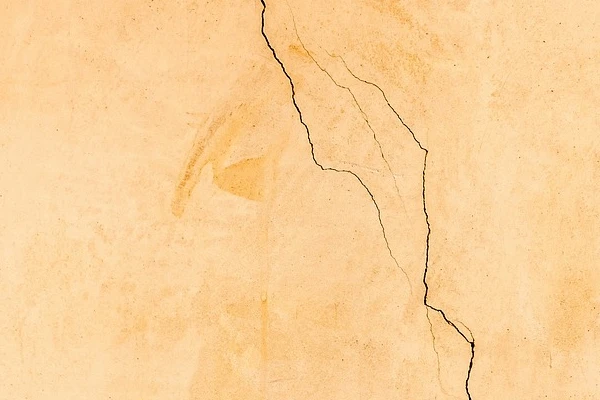
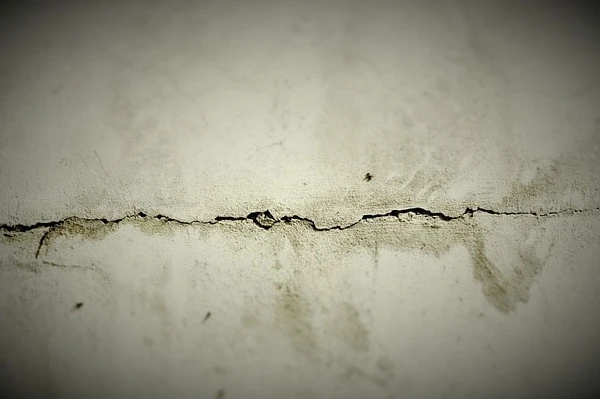
When ice storms blast through our region, most people worry about fallen branches, power outages, and slippery sidewalks. But beneath the snowdrifts and icicles lurks a hidden problem: ice storms and foundation shifting. Cold weather and sudden freezes can affect the home foundation by causing the soil to expand and contract, which often leads to shifting and cracks. As frozen water thaws and freezes, it puts major stress on your home’s foundation, sometimes leading to cracks, bowing walls, and even basement flooding.
At Powerlift Foundation Repair, we help homeowners tackle foundation issues brought on by extreme weather events—especially winter’s freeze–thaw rollercoasters.
Ice storms and other winter weather events can affect home foundations by increasing the risk of structural damage, making it crucial for the homeowner to stay aware of these risks.
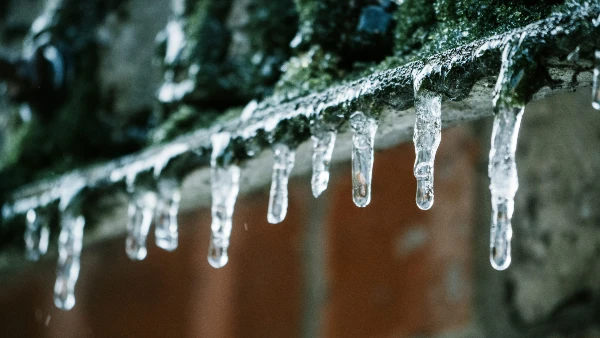
Here’s how ice storms turn into foundation headaches—and what you can do about it.
Freeze–Thaw: The Hidden Culprit
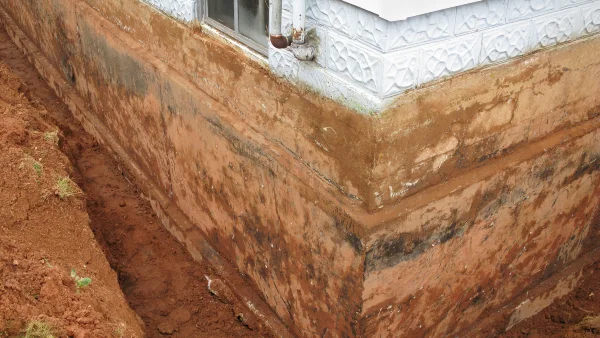
During an ice storm, melting snow and freezing temperatures create a cycle of thawing and re-freezing—known as the freeze-thaw cycle. Water seeps into soil around your foundation, freezes, then expands.
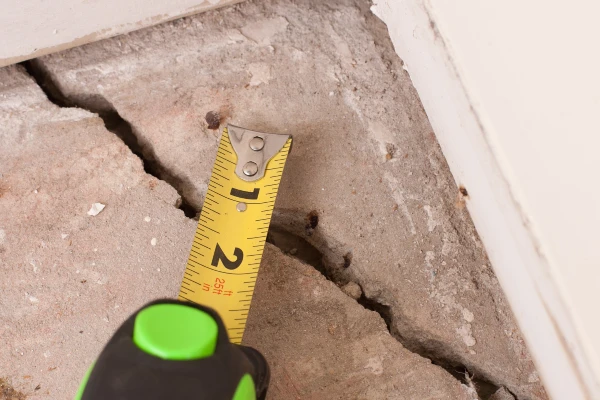
This frost heave can lift and shift slabs, walls, or egress windows, putting pressure on concrete and causing foundation cracks over time. As temperatures drop and ice melts, more water seeps into the ground, increasing the risk of cracks forming in the foundation.
Add to that the effects of melting snow, spring rains, or ice dams, and you’ve got saturated soil pushing and pulling on your foundation all season long. Melted snow and more water increase hydrostatic pressure on the foundation, threatening its structural integrity.
Hydrostatic Pressure Builds Over Time
When snow melts rapidly or freezing rain piles up, water pools around the base of your home. This pooling increases the risk of a flood and water damage in your basement, as excess water can seep through the foundation and cause significant problems.
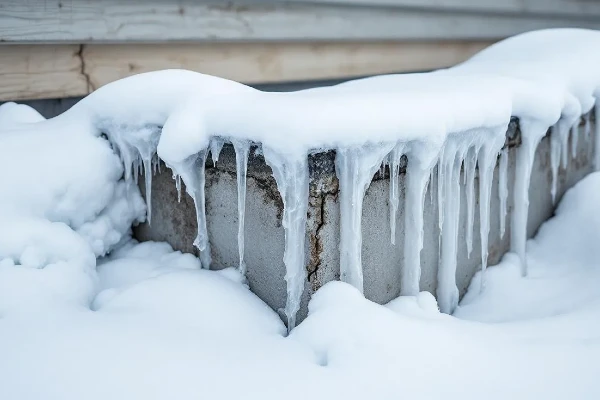
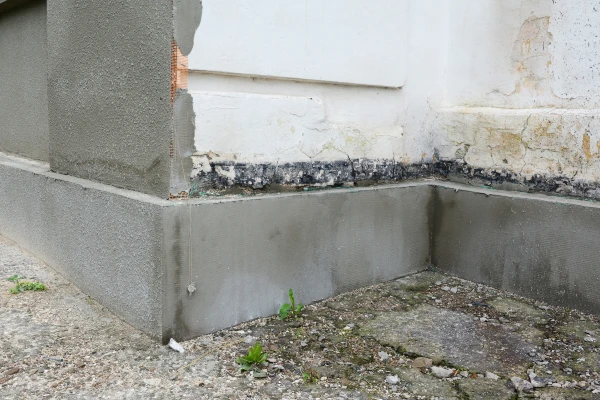
That moisture creates hydrostatic pressure—it presses on basement walls and the soil surrounding your foundation. Over time, the walls start leaning or cracking in a stair step pattern, or you may notice moisture seeping through cracks. If left unchecked, this can lead to costly repairs, serious foundation damage, and water leaks that further compromise the structure.
Warning Signs You Can’t Ignore
Watch for these early signs of winter foundation damage:
| Sign | What It Means |
|---|---|
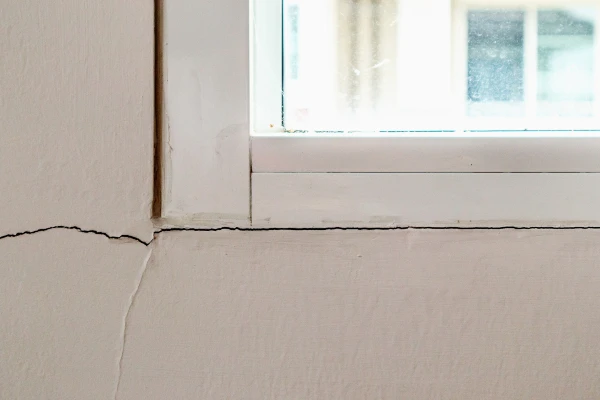
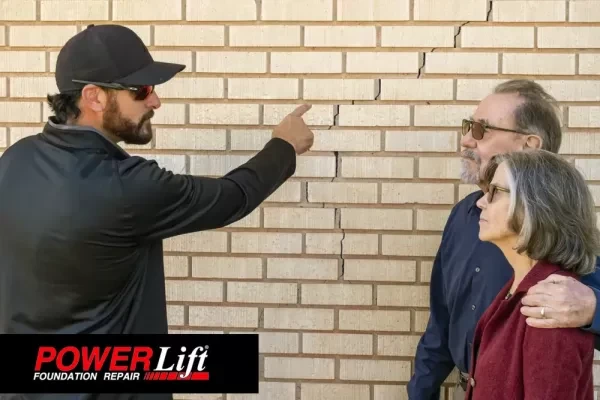
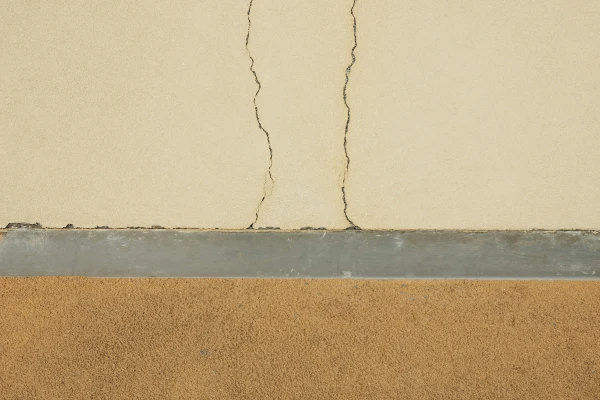
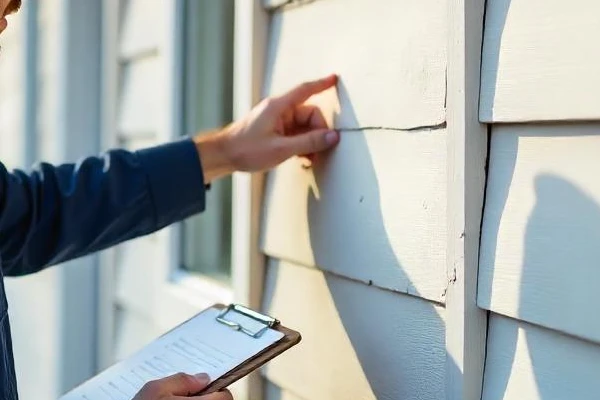
| Hairline or stair‑step cracks | Foundation & walls are shifting or shrinking due to clay soil & frost heave |
| Sloping or bouncing floors | Foundation has shifted, possibly from ice storm cycles |
| Bowing basement walls | Significant hydrostatic pressure |
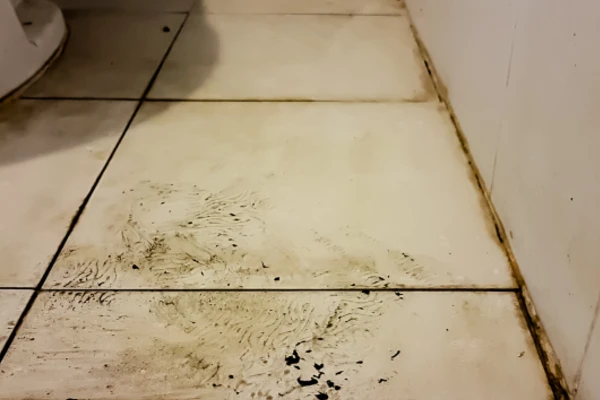
| Moisture or mold growth in crawl spaces | Water intrusion from freezing/thawing processes |
| Sticking doors or windows | Foundation has shifted, misaligning egress windows or frames |
If you spot any of these, don’t wait for spring—call foundation experts before the next thaw.
Egress Windows: Hidden Risks and Smart Solutions
Egress windows are designed to keep your family safe, providing a vital escape route in case of emergencies. But during winter’s worst—when ice storms hit and snow piles up—these windows can become a hidden source of foundation problems. As melting snow and ice collect around egress windows, water can seep into the soil and press against your home’s foundation. This extra moisture, especially during extreme weather events, increases the risk of leaks, foundation cracks, and even basement flooding.
Homeowners often overlook egress windows as a potential weak spot, but water pooling in these areas can quickly lead to costly repairs if not addressed. Ice storms and rapid snowmelt can overwhelm window wells, allowing water to bypass normal drainage and put direct pressure on the foundation. Over time, this can cause significant problems, from small cracks to major structural issues.
To protect your foundation, make sure egress window wells are clear of debris and equipped with proper covers. Check that drainage systems around the windows are working efficiently, especially before and after major snow or ice events. Installing gravel or a drainage pipe at the base of the window well can help direct water away from the foundation, reducing the risk of water intrusion and foundation damage.
By staying vigilant and taking these smart precautions, you can safeguard your home’s foundation from the hidden risks that egress windows can pose during winter’s harshest conditions.
Solutions: Protect and Repair
Proper Grading & Drainage
Ensure your yard slopes away from the foundation. It’s a simple step that prevents direct water from pooling near your house during snowmelt.
Install French Drains & Splash Blocks
These systems move water away from the foundation. Downspouts with downspout extensions should transport water at least 10 feet away to prevent puddling near your slab or perimeter.
Use High-Density Polyurethane Foam Injection
Mid-season cracks or wall shifts may be stabilized with high-density polyurethane foam injection, a clean, fast repair that stops leaks and fills voids in concrete.

Strengthen with Piers or Underpinning
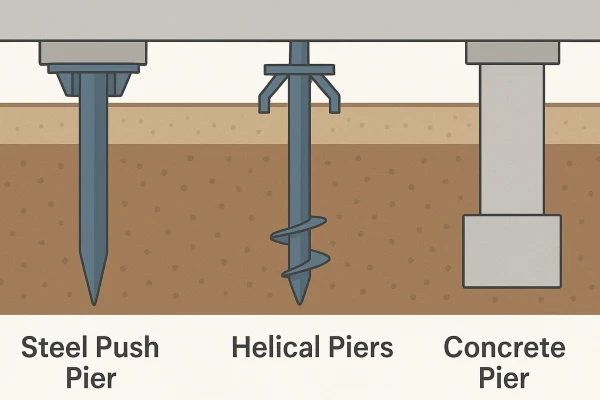
For sagging floors or bowing walls, steel piers or concrete underpinning can restore support and lift the foundation back into place.
Seasonal Inspections
Our skilled technicians recommend a winter inspection after the first thaw, and again in spring after ice and snow melt. That way we catch freeze damage before it gets worse.
Waterproof the Foundation
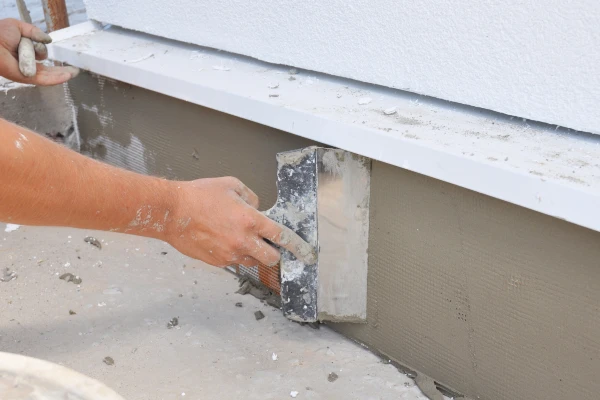
Apply sealant, install perimeter drains, or retrofit basements with a drainage membrane to stop moisture from freezing inside foundation walls.
Why Winters Are Tough on Foundations
- Rapid temperature changes (warm days, deep freezes) stress concrete
- Freeze-thaw cycles push the soil beneath slabs up
- Clay soil swells with moisture, but during the dry season, the soil contracts, causing gaps around home foundations
- Ice dams cause overflow onto foundation walls
- Prolonged wet and dry weather makes hydrostatic pressure unpredictable
- Frozen pipes or blocked gutters can send meltwater against the foundation
Inside your basement or crawl space, moisture buildup can lead to mold, mildew, and rot—so protecting the outside is just as important as fixing internal cracks.
Keep a Healthy Foundation All Winter
Here’s a quick checklist to minimize damage:
- Clear gutters and downspouts before the first freeze
- Grade your yard to direct water away
- Use sealants or waterproof membranes to shield walls
- Repair cracks early with foam injection or sealants
- Consider perimeter drainage systems
By taking these steps from fall onward, you reduce winter damage and feel safe in your home—no matter the weather.
The Powerlift Difference
We bring more than decades of experience—we bring local knowledge of freeze–thaw behavior, clay soil, and proper drainage strategies. Our team handles everything from inspections and foam repairs to installing drains, piers, or foundation replacements.
With Powerlift, you’re not waiting till spring to fix winter damage. We respond fast—getting your foundation stabilized and safe long before serious issues take hold.
Take Action Today
Ice storms won’t wait—and neither should you. If you’re noticing cracks, moisture, shifting floors, or bowed walls, call Powerlift now. We’ll inspect your home, pinpoint damage, and recommend solutions like high-density polyurethane foam injection—all without the spring rush.

Contact Powerlift Foundation Repair today to get ahead of winter damage—no waiting. Let’s keep your foundation safe and your home standing strong, season after season.